
Wireless Gas Detection System: Application Scenarios and Equipment Selection Guide
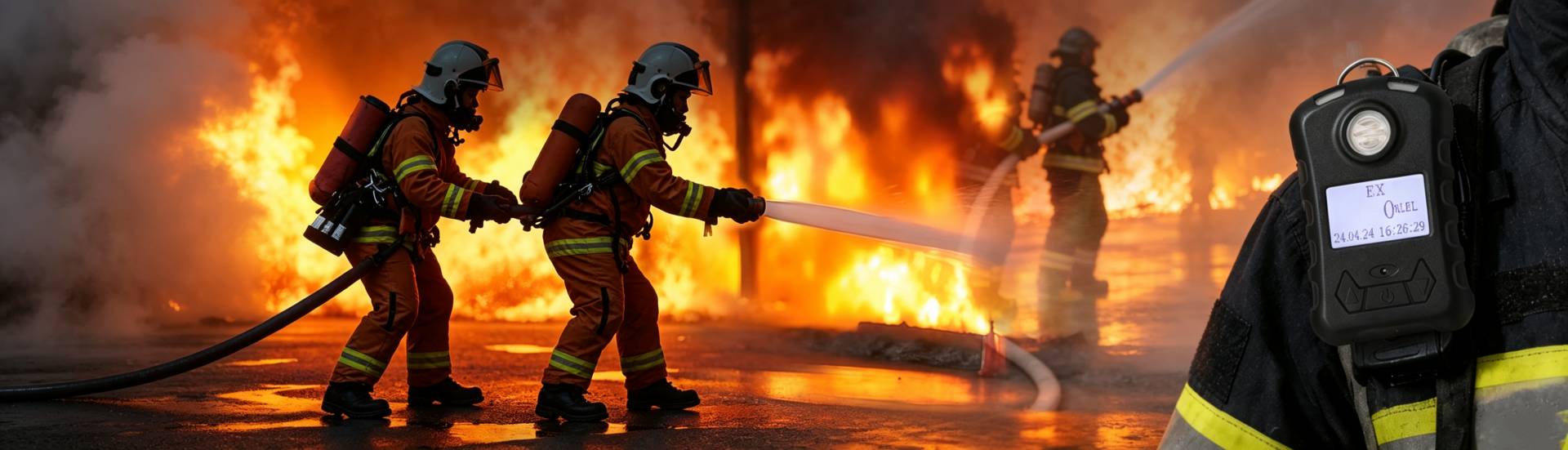
In large industrial facilities, remote areas and places with high wiring costs or difficult construction, gas leakage is often not easy to find in time. Wireless gas detection system can transmit gas concentration data and alarm information, reducing the dependence on traditional signal cables.
For oil and gas facilities, chemical plants and sewage treatment plants, wireless monitoring can not only simplify the installation work, but also help enterprises to extend the coverage of gas detection to some areas where wiring is difficult.
What Is a Wireless Gas Detection System?
A typical wireless gas detection system usually consists of a gas detector, a wireless communication module, a gateway and a monitoring platform. When the detector finds that the gas concentration changes, it will transmit the measurement data to the monitoring system. If the detection value reaches the preset alarm threshold, the system can send a notice to the operator, so as to take timely countermeasures.
The specific system configuration depends on the actual application requirements. Although some detectors use wireless communication, they still need external power supply or connect other devices by wired way. Therefore, before installation, the communication mode, power supply requirements and compatibility of each component should be confirmed.
Main Application Scenarios of Wireless Gas Detection System
Oil and gas facilities: Wireless detectors can be used to monitor potential leakage points around pipelines, storage tanks, compressor stations and remote equipment. Wireless communication can reduce the installation work in areas with large amount of traditional wiring construction.
Chemical Plant: Toxic gas, combustible gas or corrosive gas may be involved in the chemical production process. Wireless monitoring can help enterprises expand the detection coverage of equipment, storage areas and places where it is difficult to connect to the central control system.
Sewage treatment plant: Hazardous gases such as hydrogen sulfide may accumulate around sewage ponds, pumping stations and enclosed spaces. By configuring appropriate gas detection equipment, operators can find abnormal situations in time and reduce the risk of accidents.
Outdoor and remote areas: along pipelines, outdoor storage areas and remote facilities often require higher traditional wiring costs. If the site has suitable signal coverage and power supply conditions, wireless communication can be a practical alternative.
How to Choose the Appropriate Wireless Communication Technology?
Different application scenarios need different communication methods.
-
LoRa: Suitable for scenes requiring low power consumption and relatively long-distance communication. The actual coverage depends on the site environment, obstacles, antenna location and network design.
-
Wi-Fi: an area suitable for existing wireless networks and capable of ensuring signal coverage.
-
Cellular network communication: suitable for places with stable mobile network coverage and needing remote monitoring.
-
Industrial wireless network: suitable for projects that need to be integrated with existing industrial control systems or monitoring platforms.
No communication technology can be applied to all industrial environments. Before determining the scheme, the site conditions, transmission distance, data requirements and system compatibility should be comprehensively considered.
What Factors Need to Be Considered Before Purchasing?
First, the types of gases to be monitored, such as methane, hydrogen sulfide, carbon monoxide or oxygen, should be specified. The detector must adopt the sensing technology suitable for the target gas and have the measuring range that meets the application requirements.
Second, the installation environment needs to be evaluated. Temperature, humidity, dust, corrosive substances and explosion hazards may all affect equipment selection. For places with explosion risk, it should be confirmed that the detector has the explosion-proof certification required by the installation area.
Communication reliability can’t be ignored. Before purchasing, the actual transmission distance, gateway capacity, alarm response mode and the compatibility of the equipment with the existing monitoring platform should be verified. For applications with high safety requirements, countermeasures should also be considered when communication is interrupted, such as on-site alarm, standby power supply and fault prompt function.
Installation and Maintenance
The adoption of wireless communication does not mean that routine inspection can be ignored. Before the system is put into operation, the signal coverage should be tested in the actual installation environment, and the alarm information should be confirmed to be transmitted to the designated monitoring location.
During routine maintenance, the shell, sensor status, power supply and communication status of the detector should be checked, and functional testing and calibration should be carried out according to the manufacturer’s instructions and on-site safety management requirements. Keeping a good maintenance record will also help to find the repeated faults and ensure the long-term stable operation of the system.
HIREP Gas Detection Solution
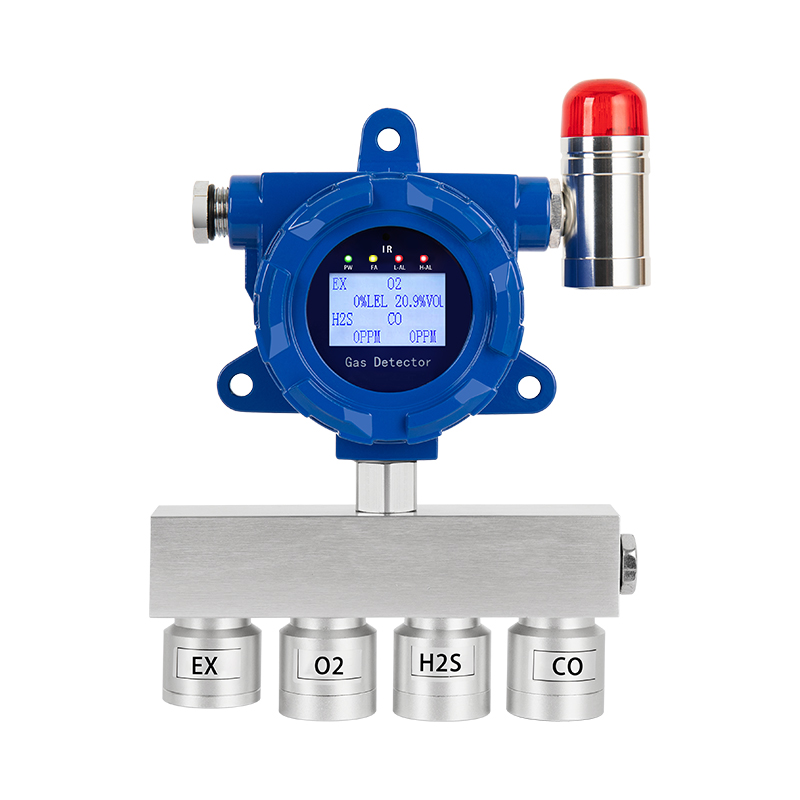
HIREP provides gas detection equipment for industrial gas monitoring applications. HRP-T2000-G fixed multi-gas detector is suitable for continuous gas monitoring in industrial environment, and can support 4–20 ma and RS485 signal output according to specific configuration.


 WhatsApp: 8619339980364
 E-mail: contact@hirepsafety.com
