Portable gas leak detector-HRP-BJ100
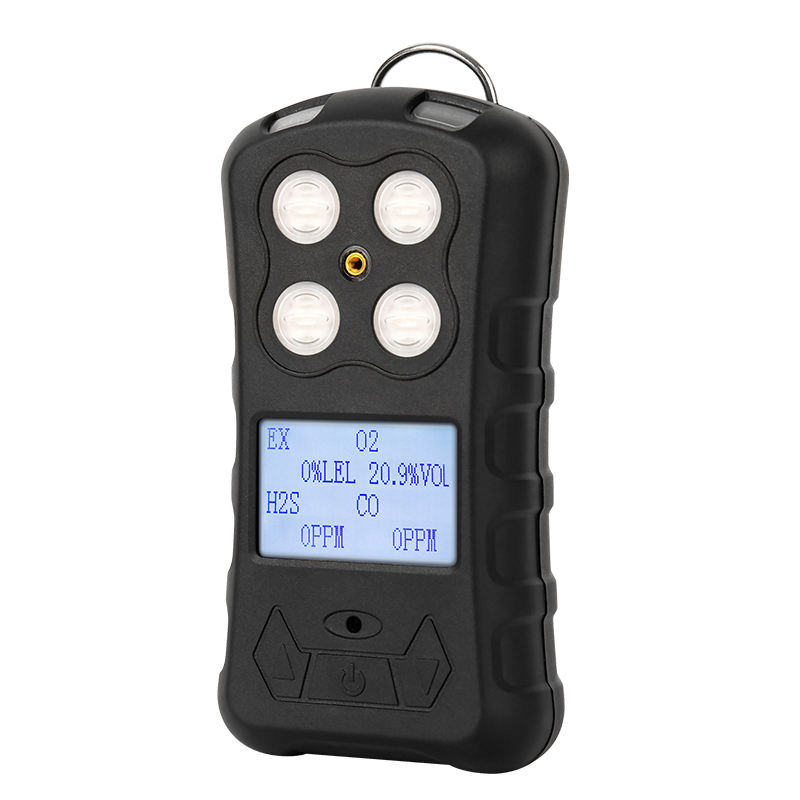
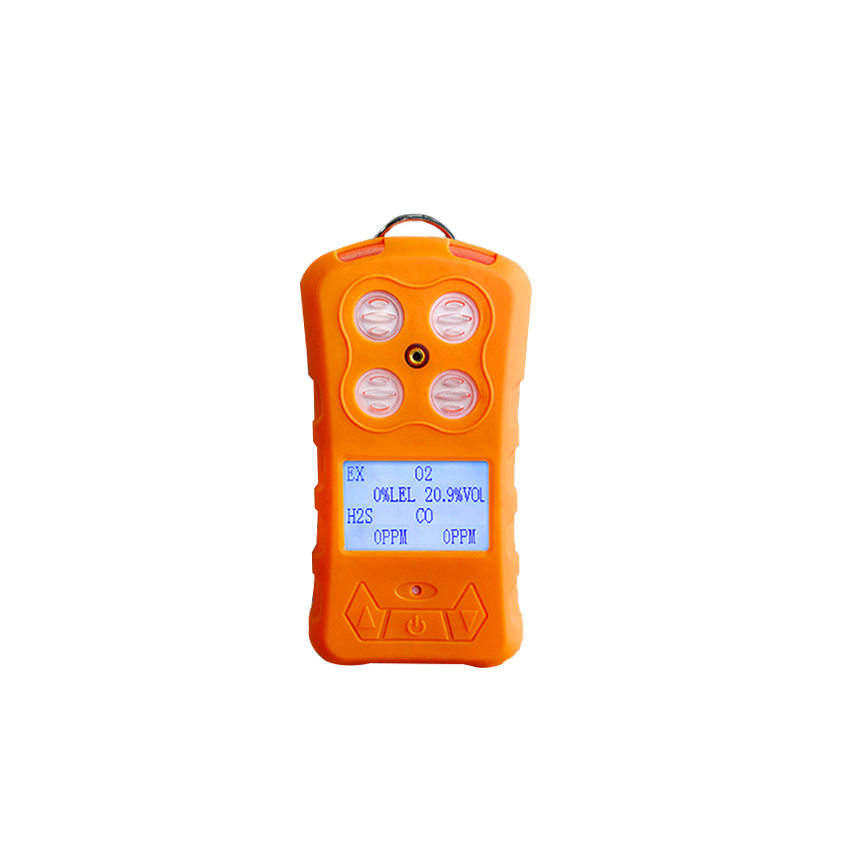
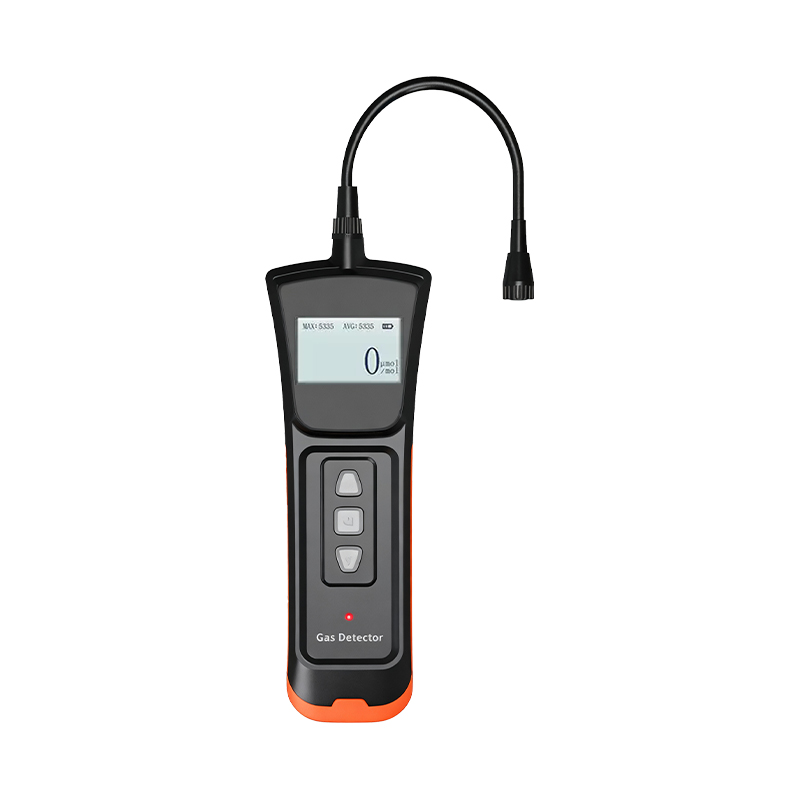
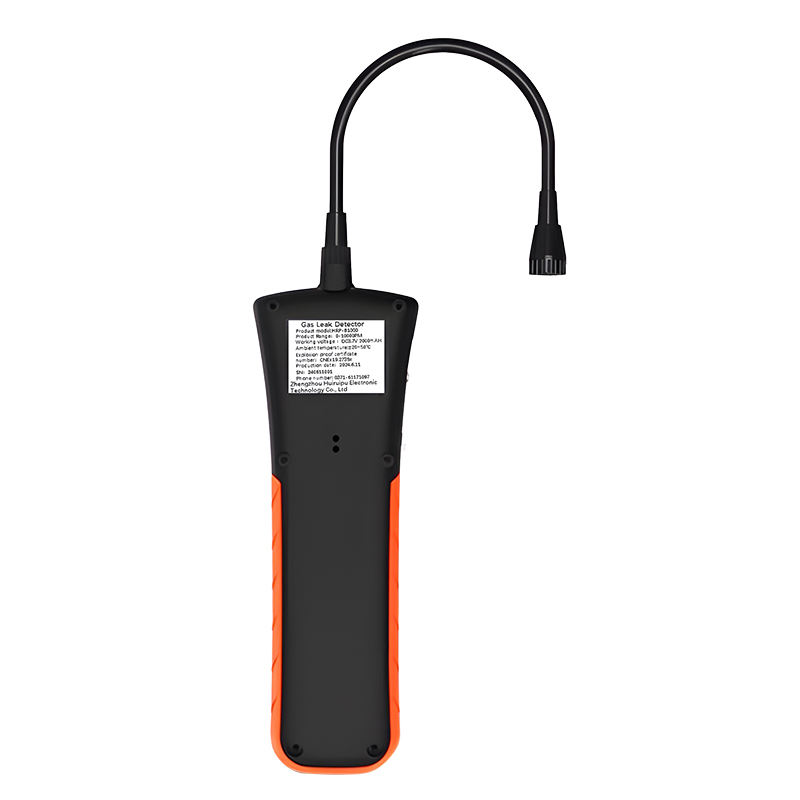
This intrinsically safe combustible gas detector is specifically designed for on-the-go industrial site inspections. It enables rapid detection, real-time alarms, and data traceability of combustible gases, making it an essential safety tool for workers. Features include high-precision detection, a multi-level alarm system, portability, and long battery life.


-
High precision
-
Global Shipping
-
Customized
-
24*7 support
-
OEM/ODM
- Features
- Parameters
- Accessories
- Gases and Ranges
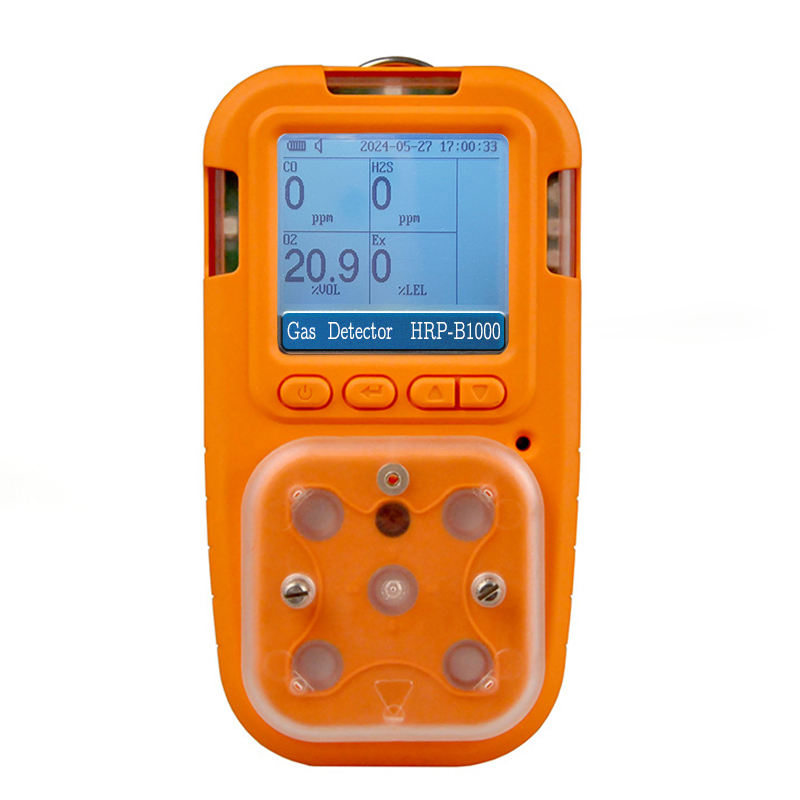
The HRP-B100 is a portable combustible gas detector specifically designed for emergency detection of certain combustible gases. Designed for on-site personnel, it provides rapid early warning of combustible gas leaks. It can accurately detect combustible gases (such as methane CH4, acetylene C2H2, hydrogen H2, propane C3H8, etc.). Widely used in mines, chemical plants, electroplating plants, wastewater treatment plants, gas system maintenance, and confined space operations, it is an essential tool for daily inspections, equipment maintenance, and emergency troubleshooting of combustible gas leaks, and a crucial means of ensuring personnel safety.
1.Real-time monitoring and quick alarm
Multi-gas detection: combustible gas, oxygen and toxic gas (such as carbon monoxide and hydrogen sulfide) can be monitored at the same time.
Extremely fast response: The sensor can respond to the gas leakage within a few seconds, thus gaining valuable time for personnel evacuation and emergency treatment.
Intuitive alarm: through the triple alarm of sound, light and vibration (some models), it can be quickly detected even in noisy or poor light environment.
2.Portable design, flexible and efficient
Small and light: the equipment is usually small and light, and can be operated by one hand or worn on the body, which is convenient for entering narrow, closed or high-risk spaces.
Independent power supply: built-in rechargeable lithium battery, get rid of the power cord, and the battery life can usually reach more than 12 hours.
3.Durable and adaptable.
Environmental adaptability: It has a high protection level (such as IP65/IP67), can effectively prevent dust and water, and can work stably in harsh environments such as high temperature and high humidity.
Explosion-proof design: meet the explosion-proof certification of ATEX, IECEx, etc., to ensure safe use in flammable and explosive environment.
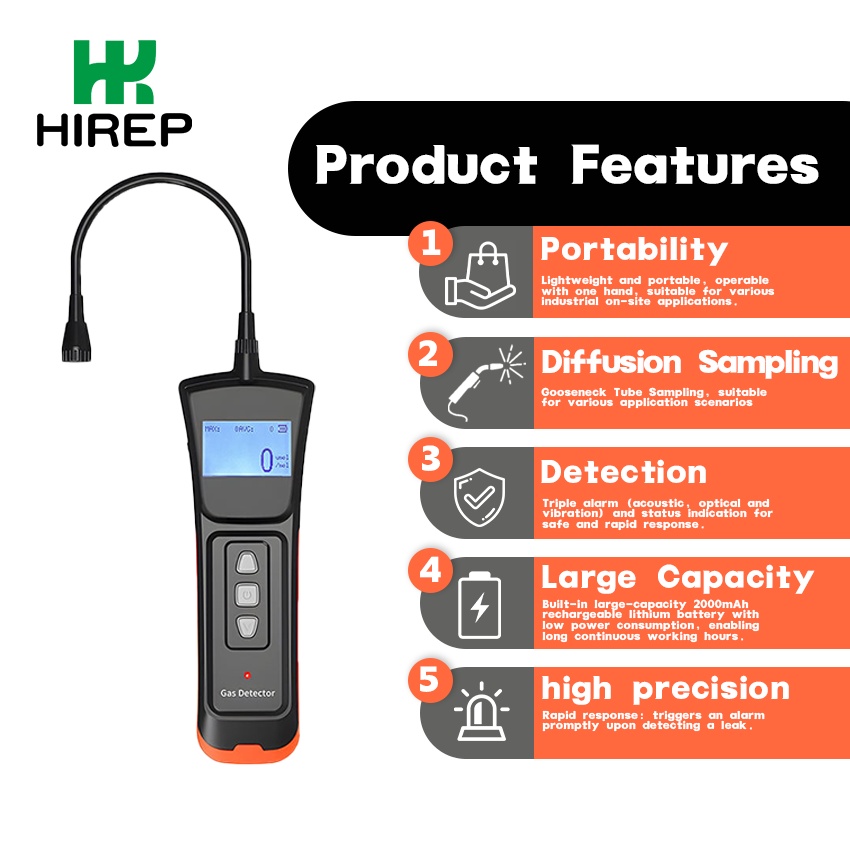
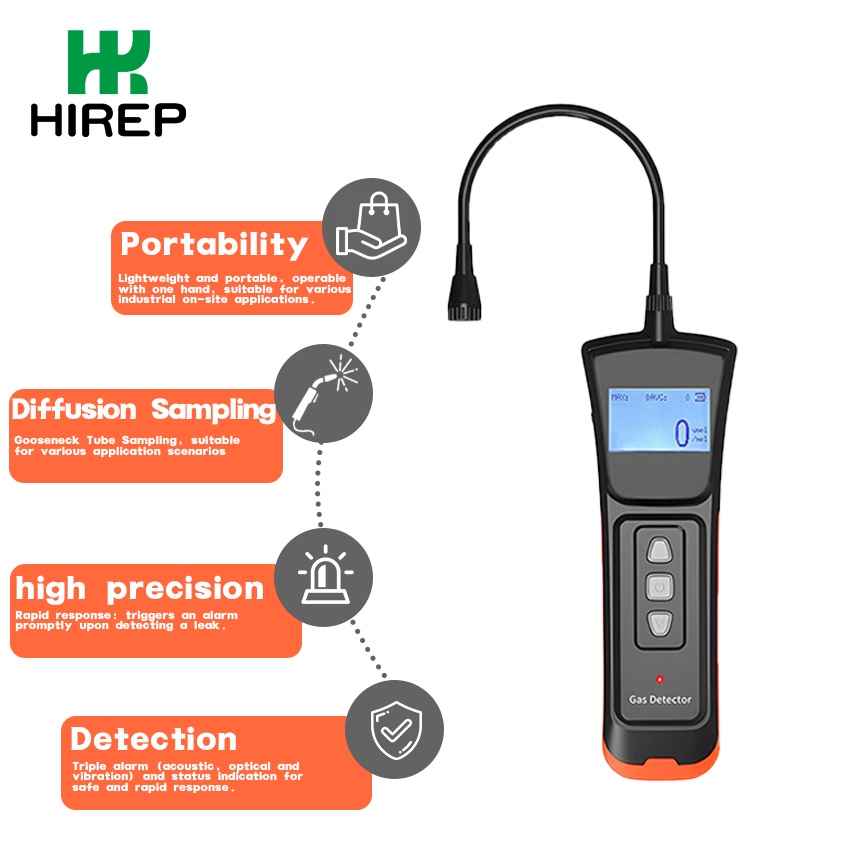
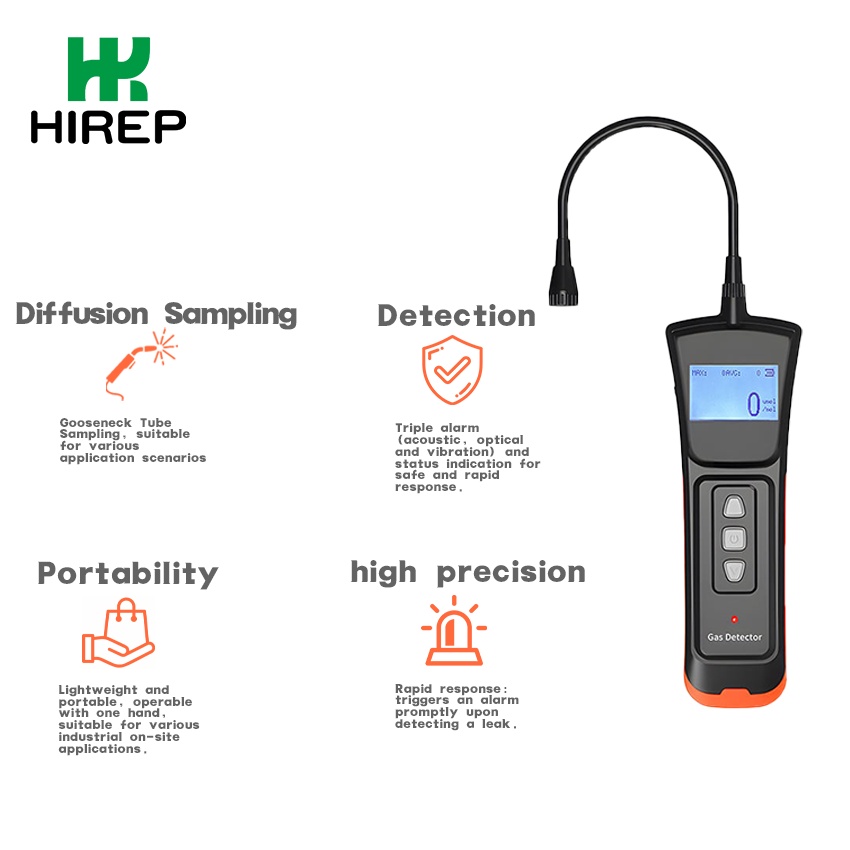
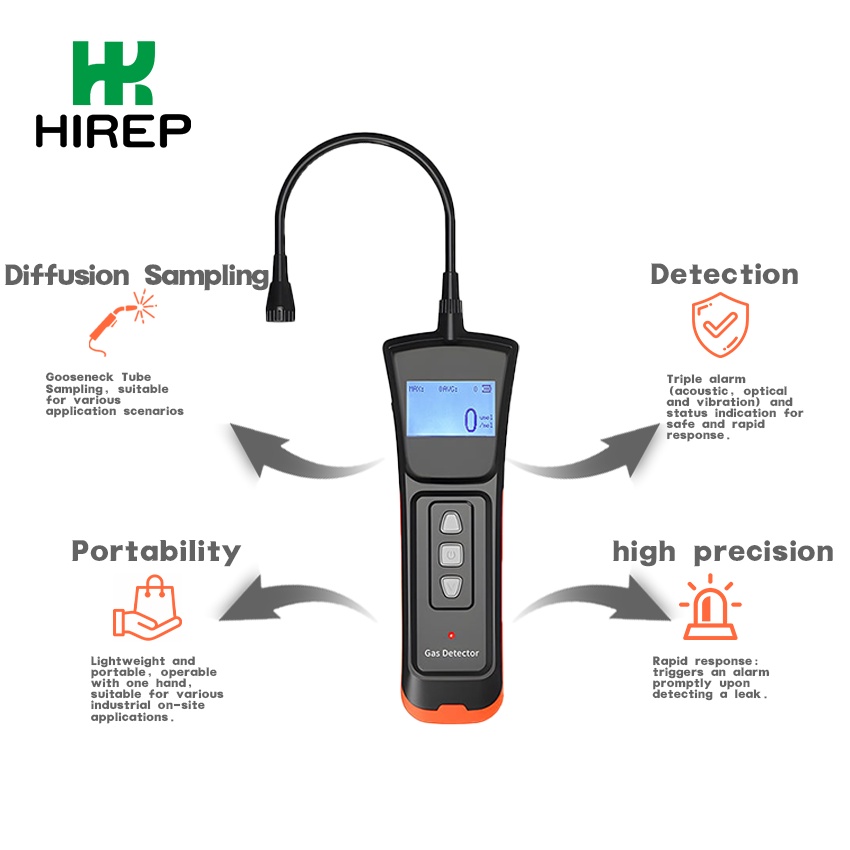
HRP-BJ100 Portable Gas Leak Detector
Gas leakage may cause serious safety accidents such as fire, explosion, equipment damage and personnel poisoning. HRP-BJ100 portable gas leak detector is specially designed for industry, laboratory and pipeline system, which can quickly and accurately detect the leakage of trace combustible gas and dangerous gas in the air and provide reliable security for enterprises and staff.
What is a Portable Gas Leak Detector?
Portable gas leak detector is a kind of hand-held detection equipment, which is used to identify and locate the leakage of combustible gas, refrigerant and other harmful gases. By monitoring the gas concentration in the air in real time, the instrument can quickly find tiny leakage and remind the operator to take safety measures through acousto-optic alarm.
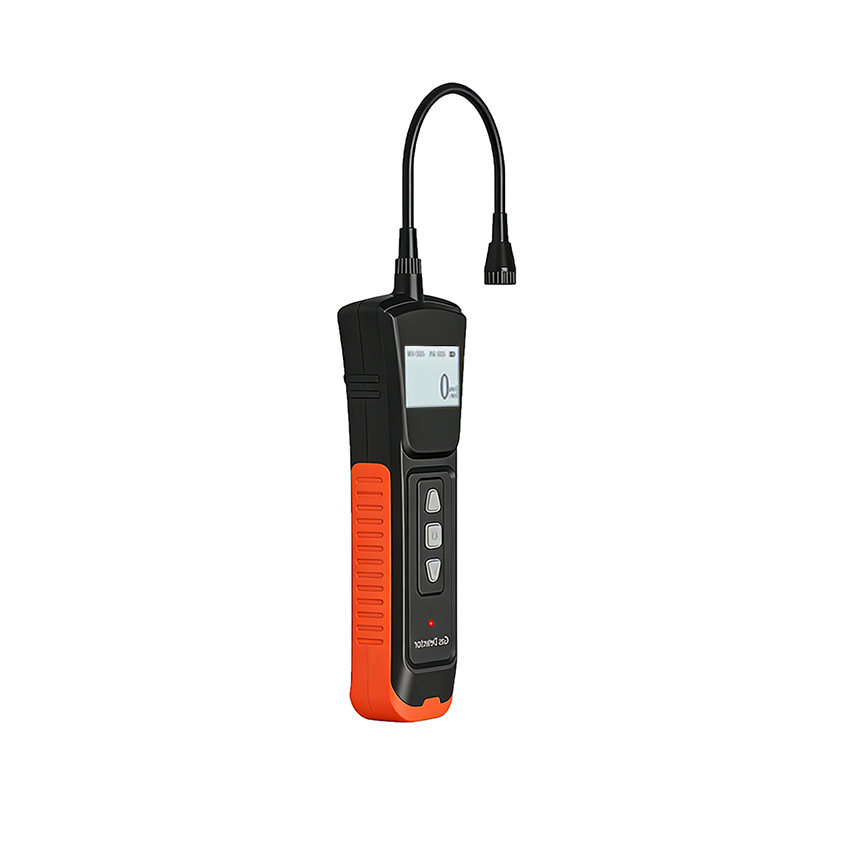
HRP-BJ100 is equipped with flexible gooseneck probe, which can easily detect valves, pipe joints, equipment gaps and narrow spaces, and is very suitable for daily inspection, preventive maintenance and emergency leakage investigation.
Principle of Operation
HRP-BJ100 has built-in high-sensitivity gas sensor. When gas molecules contact the sensor, it will cause changes in electrical signals. The instrument converts the signal into readable data through the intelligent circuit and displays it on the LCD screen in real time.
When the gas concentration exceeds the set threshold, HRP-BJ100 will automatically start the audible and visual alarm to help the staff quickly locate the leakage source and take timely countermeasures to prevent problems before they happen.
Technical advantages include:
- Fast response, real-time monitoring of gas leakage
- High sensitivity, can detect trace gases
- The measurement is stable and reliable, and adapts to the industrial environment
- Flexible probe design can detect hard-to-reach areas
Product Features and Advantages
- High-sensitivity detection: early detection of minor leaks reduces safety risks and maintenance costs
- Flexible gooseneck probe: can easily detect the inside of valves, pipelines and equipment
- Real-time digital display: large-screen LCD displays gas concentration, maximum value and average value, intuitive to read
- Lightweight and portable: ergonomic design, long-term inspection is comfortable
- Quick response: quickly respond to the change of gas concentration and locate the leakage
- Acousto-optic alarm system: immediate alarm when the limit is exceeded, ensuring site safety
- Long battery life design: low power consumption system supports long-term continuous operation
Application Industry
- Petroleum and natural gas: detect combustible gases such as methane, propane and butane in pipelines, storage tanks and production facilities
- Petrochemical industry: monitoring leakage of chemical devices, pumps and valves, storage tanks and equipment
- Gas transmission and distribution system: suitable for urban gas pipeline network, pressure regulating station and user equipment
- Refrigeration and HVAC system: detect refrigerant leakage of air conditioner, cold storage and refrigeration equipment
- Laboratory and scientific research: ensuring the safety of dangerous gas operation
- Environmental protection and municipal engineering: suitable for gas monitoring in sewage treatment plants, landfills and underground pipe networks
Why Choose HRP-BJ100?
HRP-BJ100 integrates high-precision detection, portable design and stable performance, and can quickly and reliably find the hidden danger of gas leakage. Whether it is routine inspection, equipment maintenance or emergency inspection, it is a professional tool for industrial safety management and personnel protection.
Summary
HRP-BJ100 portable gas leak detector provides efficient solutions for industrial safety, equipment maintenance and environmental monitoring with its highly sensitive sensor, quick response, flexible probe and reliable acousto-optic alarm. Choosing HRP-BJ100 can easily ensure safety and reduce operational risks in various industrial scenarios.
Portable Gas Leakage Detector HRP-BJ100 FAQ
1. What is HRP-BJ100 portable gas leakage detector?
HRP-BJ100 portable gas leakage detector is a hand-held detection device for detecting combustible gas leakage. The equipment can monitor the gas concentration in the environment in real time, and help workers quickly find the potential gas leakage risk through the alarm function, thus improving the safety level in the industrial environment.
2. What gases can HRP-BJ100 detect?
HRP-BJ100 is mainly used to detect combustible gases, such as:
- Methane (CH₄)
- Natural gas
- Liquefied petroleum gas (LPG)
- Other combustible gases
The specific type of gas to be detected depends on the sensor model configured by the equipment.
3. What is the working principle of HRP-BJ100 gas detector?
HRP-BJ100 uses a high-sensitivity gas sensor to continuously detect the change of gas concentration in the surrounding air.
When the detected gas concentration reaches the preset alarm value, the equipment will pass:
- Audible alarm
- Optical alarm
- Screen display reminder
Inform users to take safety measures in time.
4. Is HRP-BJ100 suitable for industrial application?
Yes. HRP-BJ100 is specially designed for industrial gas safety detection, and is suitable for places where there is a risk of combustible gas leakage, such as:
- Oil and gas facilities
- Chemical plant
- Tubing
- Energy station
- Industrial equipment maintenance site
It can help security personnel to carry out daily gas leakage inspection.
5. What are the advantages of HRP-BJ100 portable gas detector?
HRP-BJ100 has the following characteristics:
- Portable handheld design
- Rapid detection of gas leakage
- Real-time display of gas concentration
- Acousto-optic alarm prompt
- Simple and convenient operation
- Suitable for on-site inspection
These characteristics make it a practical tool in industrial gas safety inspection.
6. Is HRP-BJ100 easy to carry?
Yes. HRP-BJ100 is compact and portable, which is convenient for workers to carry around and can be used for mobile gas safety inspection in different areas.
Workers can carry equipment to quickly detect the positions of pipelines, valves and equipment joints.
7. Does HRP-BJ100 have alarm function?
Yes. HRP-BJ100 will send out a warning signal when the concentration of combustible gas exceeds the set alarm value.
Alarm modes include:
- Audible alarm
- LED lighting alarm
- Screen alarm prompt
Help staff find dangerous situations in time.
8. Can HRP-BJ100 detect tiny gas leakage?
Sure. HRP-BJ100 is equipped with a high-sensitivity sensor, which can detect the leakage of low-concentration combustible gas, and is suitable for industrial equipment inspection, pipeline inspection and leakage investigation in maintenance operations.
9. In which industries can HRP-BJ100 be applied?
HRP-BJ100 is widely used in the following industries:
- Oil and gas industry
- Chemical lines
- Natural gas station
- LPG liquefied gas station
- Industrial equipment maintenance
- Boiler room
- Pipeline inspection
- Limited space detection
10. What is the difference between HRP-BJ100 and fixed gas detector?
The fixed gas detector is usually installed in a fixed position for long-term continuous monitoring of an area.
And HRP-BJ100 is a portable detection device, which is mainly used for:
- Mobile inspection
- Leak point search
- Equipment maintenance inspection
- Temporary detection task
It allows staff to carry equipment into different areas for testing.
11. How often does HRP-BJ100 need to be calibrated?
The calibration period depends on:
- Operational environment
- Frequency of utilization
- Contact with high concentration gas
- Enterprise safety management requirements
In order to ensure the accuracy of detection, it is suggested that calibration and maintenance should be carried out regularly according to the use requirements.
12. Can HRP-BJ100 be used for gas pipeline inspection?
Sure. HRP-BJ100 is very suitable for leak detection of gas pipelines, valves, interfaces and equipment connections.
Workers can use the portable detection function to quickly locate the possible gas leakage location.
13. How long is the service life of HRP-BJ100 sensor?
Sensor life is affected by the following factors:
- Working environment
- Frequency of utilization
- Gas exposure
- Maintenance situation
Regular calibration, proper storage and maintenance can effectively prolong the service life of sensors.
14. Can HRP-BJ100 be used in dangerous environment?
HRP-BJ100 is mainly used to detect combustible gas in industrial safety inspection environment.
Before entering the special dangerous area for use, it should be confirmed whether the equipment certification level meets the on-site safety requirements, and it should be operated in strict accordance with relevant safety regulations.
15. Why choose HRP-BJ100 portable gas leakage detector?
HRP-BJ100 provides a reliable and convenient solution for industrial gas leakage detection, with:
- Portable detection capability
- Quick response
- Reliable alarm reminder
- Simple and easy to operate
- Wide industrial application
It can help enterprises to strengthen gas safety management and reduce the safety risks such as fire and explosion caused by combustible gas leakage.
Single Gas Detec
- Sampling method: natural diffusionC
- Detection Range: PPM, %LEL, %VOL, mg/m³
- Accuracy: ≦ 5% FS. (EX/CO/O2/H2S≤3%FS)
- Response time: T<60s (EX/CO/O2/H2S≤30S)
- Working temperature: Combustible gas: -20℃~70℃
- Toxic and O2: -10℃~55℃"
- Working humidity: <95%RH (no condensation)
- Operating voltage: DC3.7V Li battery 2000mAh
- Battery Runtime: >8H
- Alarm method: Audible, visual, and vibration alarm
- Ingress protection: IP66
- Explosion-Proof Rating: EX db IIC T6 Gb
- Dimensions: 145*70*35mm
- Weight: 250g
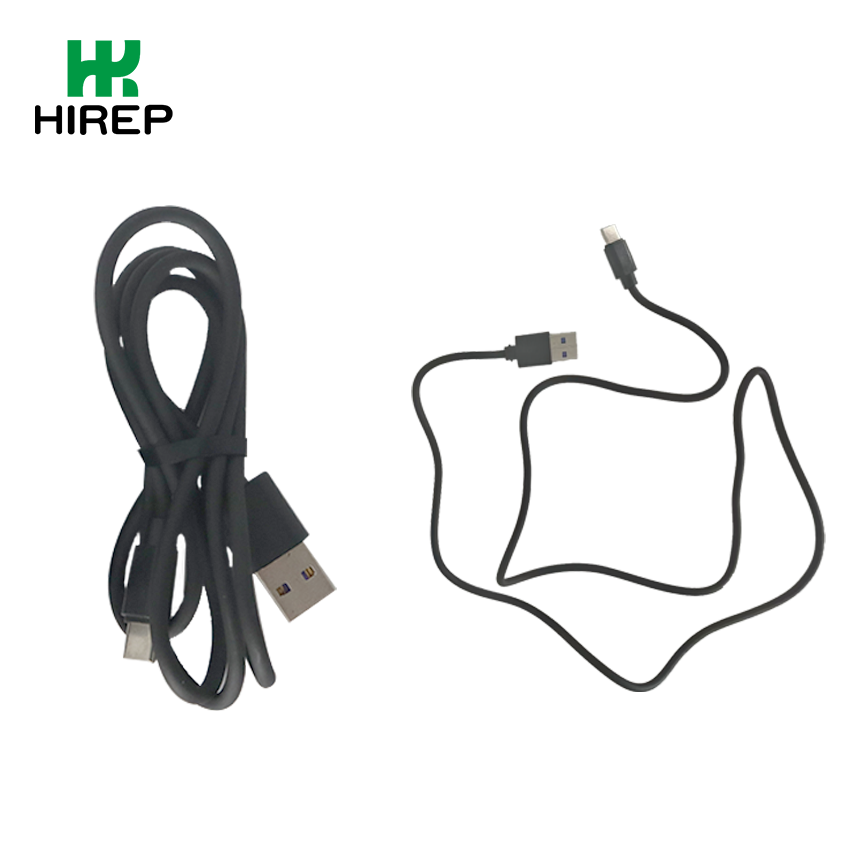
Usb cable(Standard):
This Micro USB cable features thickened copper cores and high-density nylon braiding, offering excellent resistance to bending and abrasion for long-lasting durability.
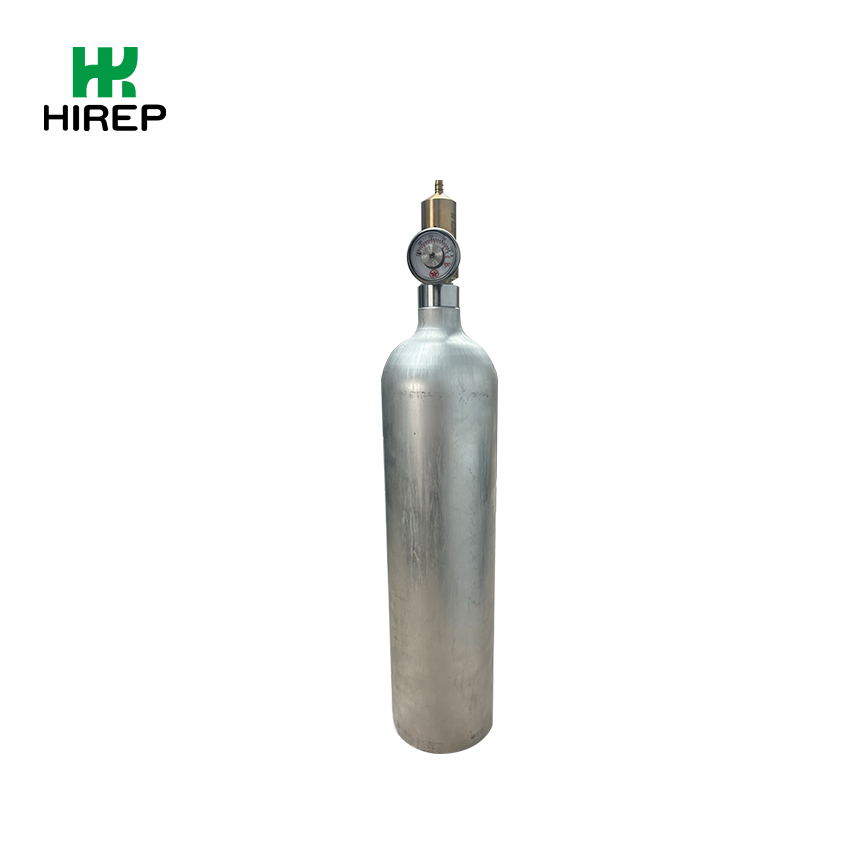
Portable Calibrator Calibration Gas Cylinder(Optional):
The high-precision standard gas supply device designed by portable gas detector is used for periodic calibration, zero correction and range verification of sensors in the field or laboratory to ensure the accuracy and reliability of long-term operation data of testing equipment.
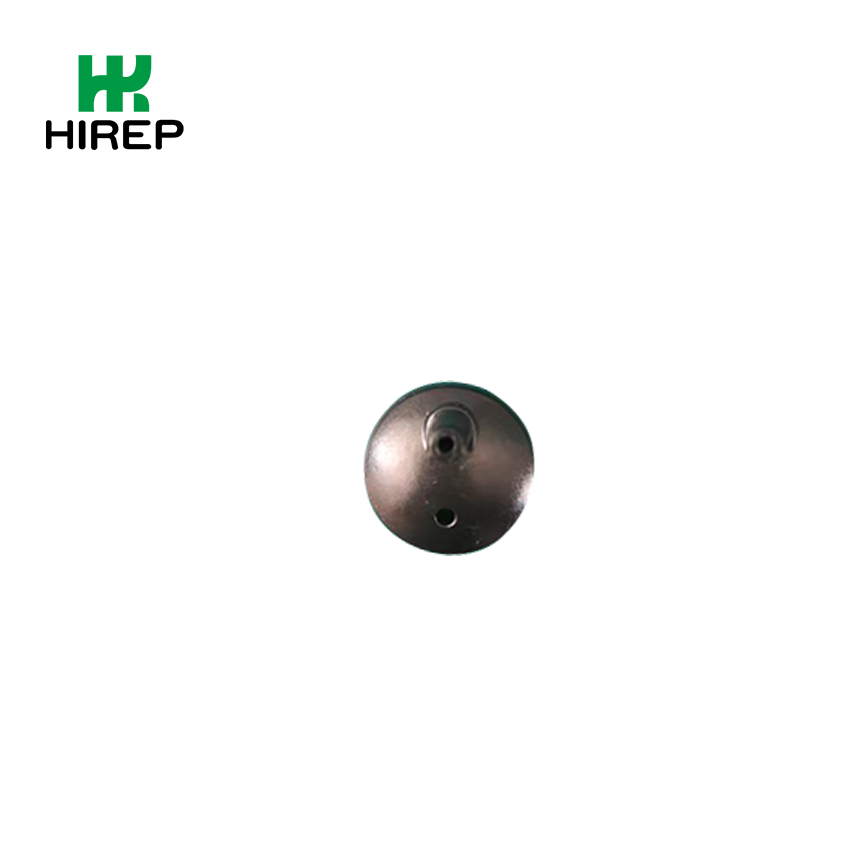
Calibration Hood(Standard):
The compact calibration cover designed by portable hand-held gas detector is used to quickly and accurately complete the zero calibration and range calibration of sensors on the equipment site. It is small, light and precise in structure, which ensures that the standard gas can cover the sensor probe efficiently and avoid the interference of ambient airflow. It is an indispensable professional accessory for daily maintenance and compliance testing.
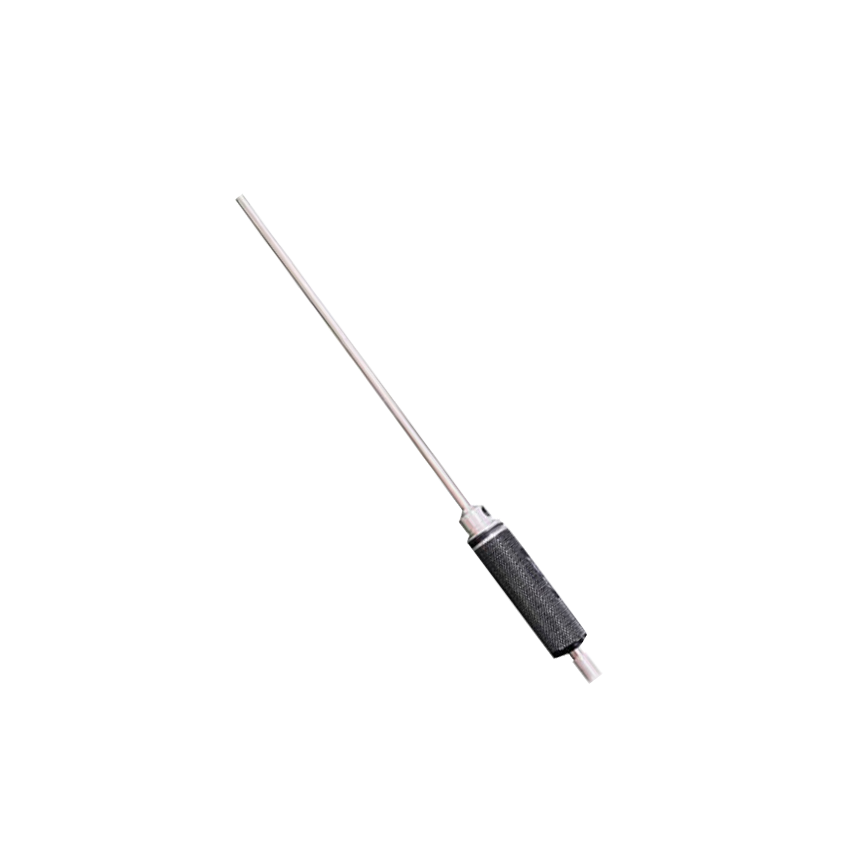
Air Sampling Probe(Optional):
The high-precision and long-distance gas sampling extension tool designed by portable hand-held gas detector is used to safely and stably extend the probe into narrow space, high place, deep well, pipeline or dangerous area for remote gas detection, which greatly improves the operation safety and detection coverage.Typically used with sampling tubes.
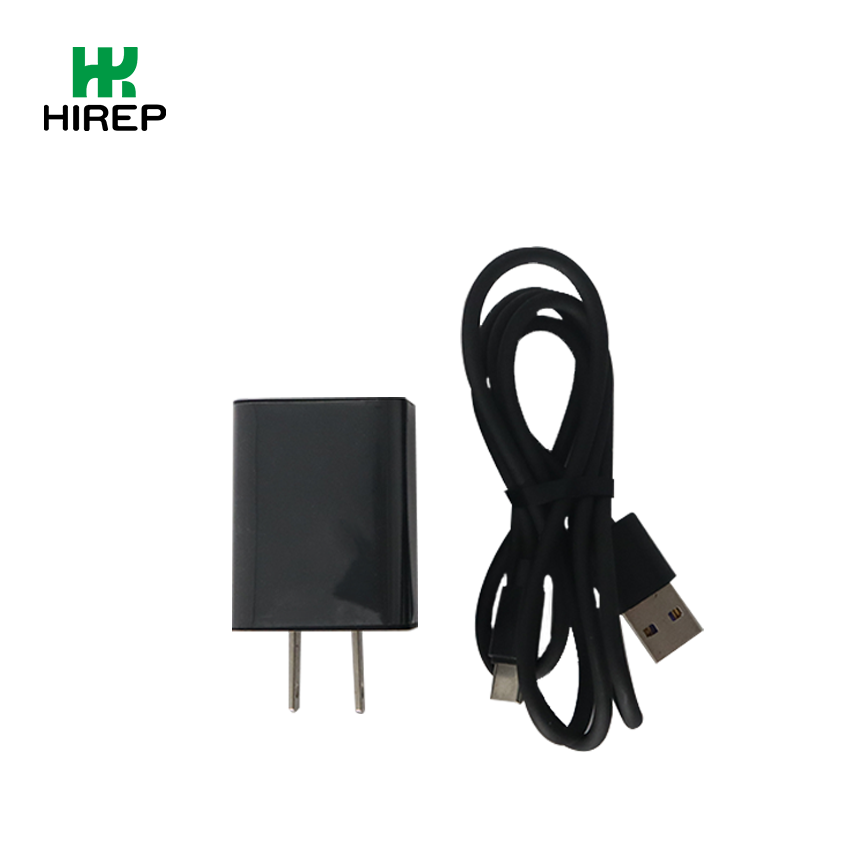
Portable Hand-held Gas Detector Charger(Standard):
The high compatibility, safe and reliable charging solution designed by portable hand-held gas detector includes a standard two-pin plug power adapter and a USB-A to Micro-USB/Type-C data cable (matched according to the equipment interface), which ensures that the equipment can quickly recover power after field inspection, factory duty or emergency tasks, and ensures continuous and stable operation.
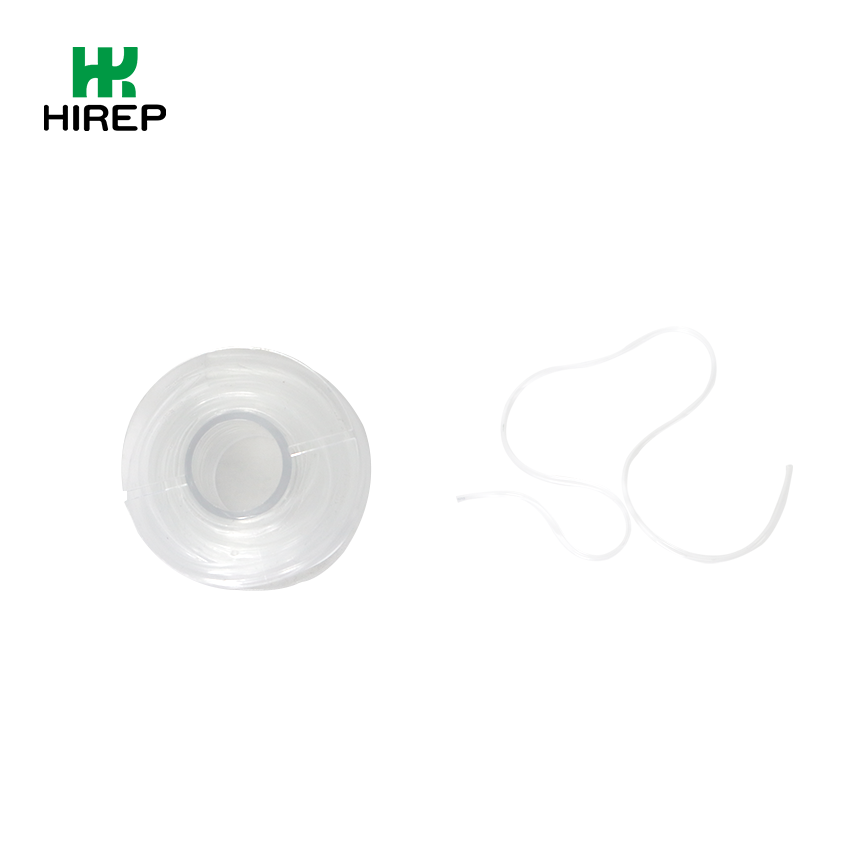
Extended Sampling Tube(Optional):
The portable hand-held or pumping gas detector is designed with a high flexibility and corrosion resistance to extend the sampling catheter, which is used to extend the gas inlet of the equipment to the detection points that are difficult to directly contact, such as the depth of the pipeline, the equipment interlayer, the high vent, the inside of the closed container, etc., so as to realize "remote accurate sampling" and greatly improve the detection coverage and operation safety.
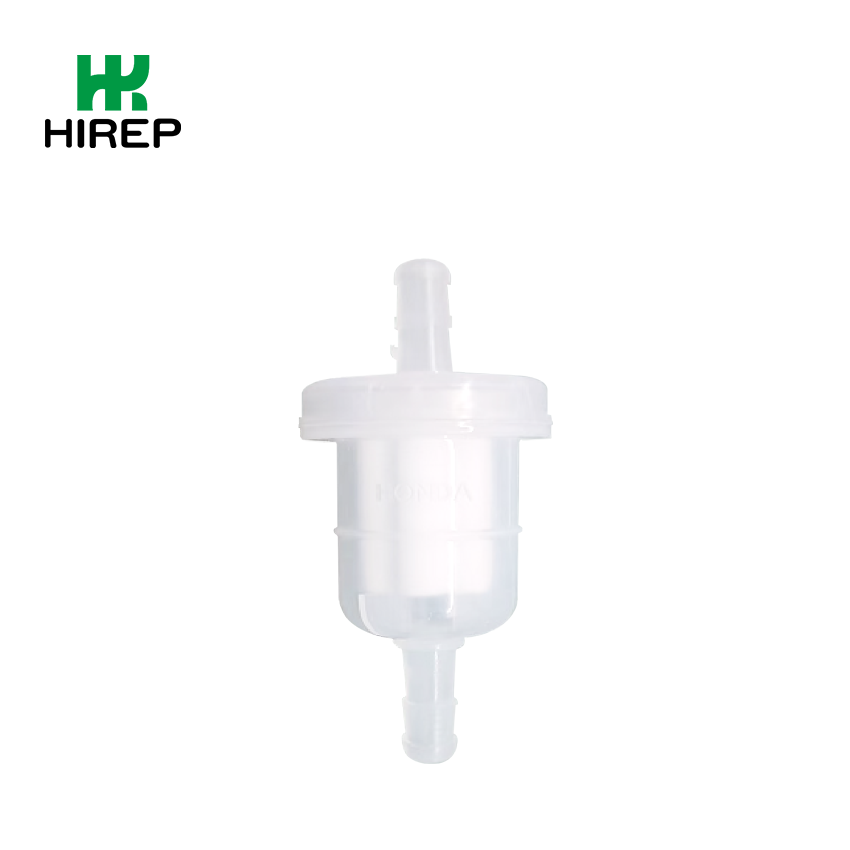
Water Vapor and Dust Filter(Optional):
Blocks solid particles from entering the detector's gas path, preventing blockage and avoiding particle adhesion to the sensor surface, which could cause sensor poisoning, decreased sensitivity, slowed response, or even permanent failure. It also avoids physical interference from dust, ensuring the sensor only contacts the measured gas, thus guaranteeing measurement accuracy.
| Name | Chemical Formula | Lower Explosive Limit(Volume Fraction)in Air%VOL|Lower Limit | Serial No | Name | Chemical Formula | Lower Explosive Limit(Volume Fraction)in Air%VOL|Lower Limit | |
| 1 | Ethane | C₂H₆ | 3.0 | 49 | Cyclohexane | CH₂ (CH₂)₄CH₂ | 1.2 |
| 2 | Ethanol | C₂H₅OH | 3.4 | 50 | Cyclohexanol | CH₂ (CH₂)₃CHOHCH₂ | 1.2 |
| 3 | Ethylene | C₂H₄ | 2.8 | 51 | Cyclohexanone | CH₂ (CH₂)₃COCH₂ | 2.8 |
| 4 | Hydrogen | H₂ | 4.0 | 52 | Cyclopropane | CH₂CH₂CH₂ | 2.4 |
| 5 | Methane | CH₄ | 5.0 | 53 | Decane | C₁₀H₁8 | 0.7 |
| 6 | Methanol | CH₃OH | 5.5 | 54 | Cyclohexene | CH₂ (CH₂)₃CHCHCH₂ | 1.2 |
| 7 | Acetylene | C₂H₂ | 2.5 | 55 | Diacetone Alcohol | (CH₃)₂COHCH₂COCH₃ | 1.8 |
| 8 | Propanol | C₃H₇OH | 2.5 | 56 | Di-n-butyl Ether | C₄H₉OC₄H₉ | 0.9 |
| 9 | Propane | C₃H₈ | 2.2 | 57 | Dichlorobenzene | (C₆H₄)Cl₂ | 2.2 |
| 10 | Propylene | C₃H₆ | 2.4 | 58 | Diethylamine | (C₂H₅)₂NH | 1.7 |
| 11 | Toluene | C₆H₅CH₃ | 1.2 | 59 | Dimethylamine | (CH₃)₂NH | 2.8 |
| 12 | Xylene | C₆H₄ (CH₃)₂ | 1.0 | 60 | Dimethylaniline | (CH₃)₂C₆H₃NH₂ | 1.2 |
| 13 | Dichloromethane | C₂H₄Cl₂ | 5.6 | 61 | Dicyclohexylamine | (CH₂)₄O₂ | 1.9 |
| 14 | Dichloroethylene | C₂H₂Cl₂ | 6.5 | 62 | Ethylene Oxide | OCH₂CH₂CH₂ | 1.9 |
| 15 | Dichloropropane | C₃H₆Cl₂ | 3.4 | 63 | Diethyl Ether | C₂H₅OC₂H₅ | 1.8 |
| 16 | Diethyl Ether | C₂H₅OC₂H₅ | 1.7 | 64 | Ethyl Acetate | CH₃COOC₂H₅ | 2.1 |
| 17 | Dimethyl Ether | CH₃OCH₃ | 3.0 | 65 | Ethyl Acrylate | CH₂CHCO₂C₂H₅ | 1.7 |
| 18 | Formaldehyde | CH₂OCH | 4.0 | 66 | Styrene | C₆H₅C₂H₃ | 1.0 |
| 19 | Acetic Acid | CH₃COOH | 4.0 | 67 | Ethylene Oxide | CH₂CH₂O | 2.6 |
| 20 | Acetone | CH₃COCH₃ | 2.3 | 68 | Ethanethiol | C₂H₅SH | 2.3 |
| 21 | Acetyl Chloride | (CH₃CO)₂CH₂ | 1.7 | 69 | Ethyl Mercaptan | C₂H₅SCH₃ | 2.0 |
| 22 | Chloroform | CH₃COCl | 5.0 | 70 | Methyl Ethyl Ketone | C₃H₇COCH₃ | 1.8 |
| 23 | Acrylonitrile | CH₂CHCN | 2.8 | 71 | Ethylamine | C₂H₅NH₂ | 3.5 |
| 24 | Allyl Chloride | CH₂CHCH₂Cl | 3.2 | 72 | Gasoline | — | 0.9 |
| 25 | Methylacetylene | CH₃CCH | 1.7 | 73 | Kerosene | — | 0.7 |
| 26 | Amyl Acetate | CH₃CO₂C₅H₁1 | 1.0 | 74 | Turpentine | — | 1.8 |
| 27 | Aniline | C₆H₅NH₂ | 1.2 | 75 | Nitrobenzene | C₆H₅NO₂ | 1.8 |
| 28 | Benzene | C₆H₆ | 1.2 | 76 | Nitromethane | CH₃NO₂ | 7.1 |
| 29 | Benzaldehyde | C₆H₅CHO | 1.4 | 77 | Phenol | C₆H₅OH | 1.3 |
| 30 | Benzyl Chloride | C₆H₅CH₂Cl | 1.1 | 78 | Phenylacetylene | C₆H₅C₂H | 1.1 |
| 31 | Bromobenzene | C₆H₅CH₂Br | 2.5 | 79 | Ethylbenzene | C₆H₄C₂H₅ | 1.0 |
| 32 | Bromoethane | CH₃CH₂Br | 6.7 | 80 | Methyl Formate | HCOOC₂H₅ | 2.7 |
| 33 | Butadiene | CH₂CHCHCH₂ | 2.0 | 81 | p-Dioxane | C₄H₈O₂ | 2.0 |
| 34 | Butane | C₄H₁0 | 1.9 | 82 | Isobutane | i-C₄H₁0 | 1.8 |
| 35 | Butanol | C₄H₉OH | 1.8 | 83 | Naphthalene | C₁₀H₈ | 1.9 |
| 36 | Butylene | C₄H₈ | 1.6 | 84 | Nonane | CH₃ (CH₂)₇CH₃ | 0.7 |
| 37 | Butyraldehyde | C₃H₇CHO | 1.4 | 85 | Nonanol | CH₃ (CH₂)₇CH₂OH | 0.8 |
| 38 | Butyl Butyrate | C₃H₇COOC₄H₉ | 1.2 | 86 | Valeraldehyde | C₆H₁₀0 | 1.2 |
| 39 | Butyl Methyl Ketone | C₄H₉COCH₃ | 1.2 | 87 | Pentane | C₅H₁2 | 1.4 |
| 40 | Carbon Disulfide | CS₂ | 1.0 | 88 | Pentanol | C₅H₁₁OH | 1.2 |
| 41 | Chlorobenzene | C₆H₅Cl | 1.3 | 89 | Propylamine | C₃H₇NH₂ | 2.0 |
| 42 | Chlorobutane | C₄H₉CH₂Cl | 1.8 | 90 | Propyl Methyl Ketone | C₄H₉COCH₃ | 1.5 |
| 43 | Chloroethane | CH₃CH₂Cl | 3.8 | 91 | Pyridine | C₅H₅N | 1.7 |
| 44 | Chloroethylene | CH₂CHCl | 3.8 | 92 | Tetrahydrofuran | C₄H₈O | 2.0 |
| 45 | Chloromethane | CH₃Cl | 8.1 | 93 | Tetrahydrofurfuryl | C₅H₁₀O₂ | 1.5 |
| 46 | 2-Chloropropane | CH₃CHCICH₃ | 2.6 | 94 | Triethylamine | (C₂H₅)₃N | 1.2 |
| 47 | Cresol | C₆H₄OH | 1.1 | 95 | Trimethylamine | (CH₃)₃N | 2.0 |
| 48 | Cyclobutane | CH₂CH₂CH₂CH₂ | 1.8 | 96 | Trioxane | (CH₂O)₃ | 3.0 |
Send Message
Just drop us a line, call, or fill out the form. Our team will provide you with transparent pricing, detailed technical data sheets,very feasible solution, and genuine after-sales support—no hidden costs, no empty promises.