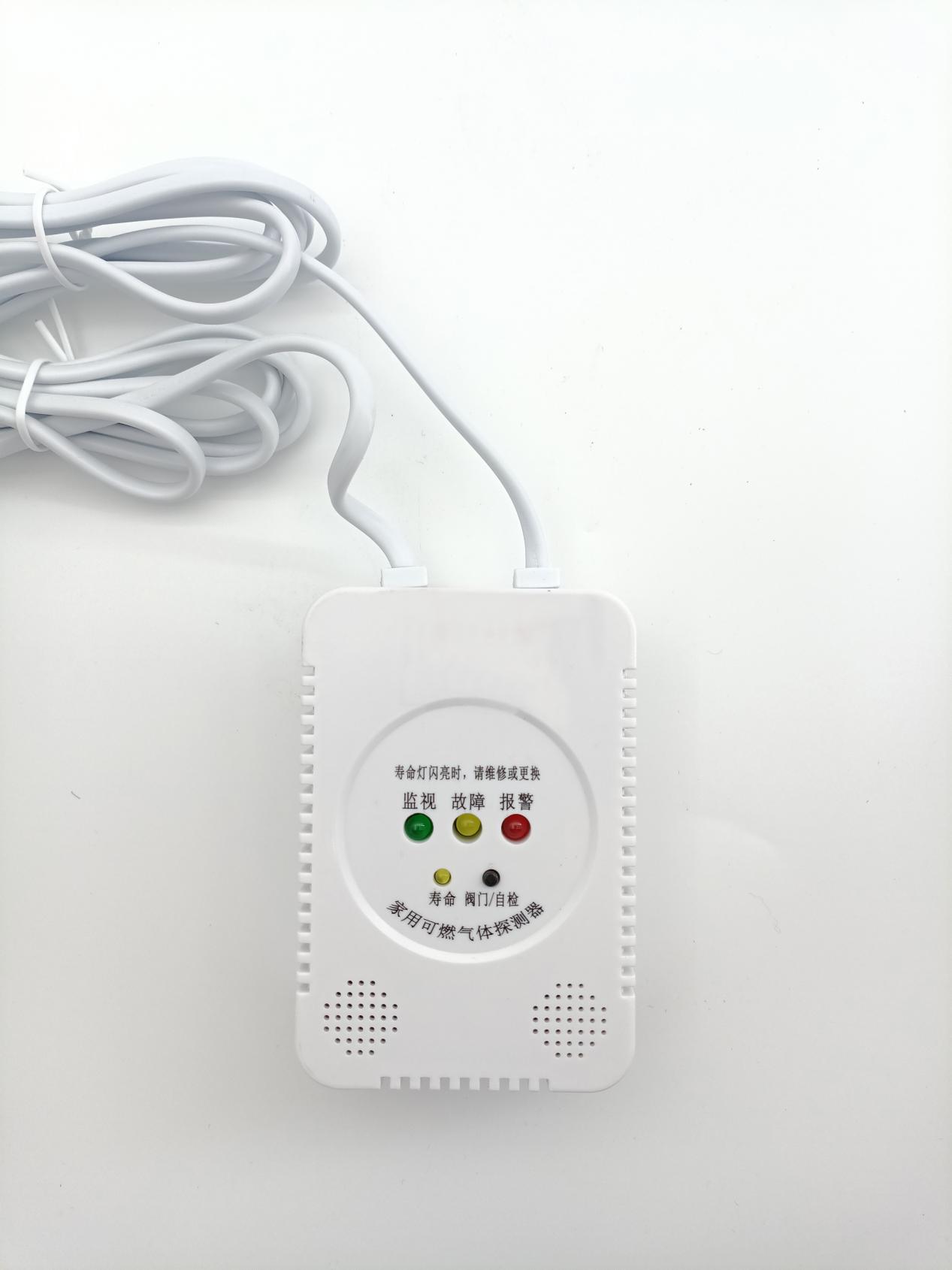
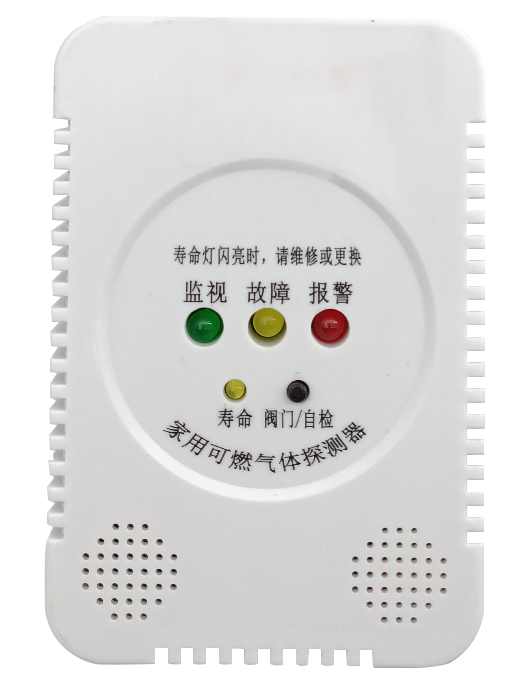
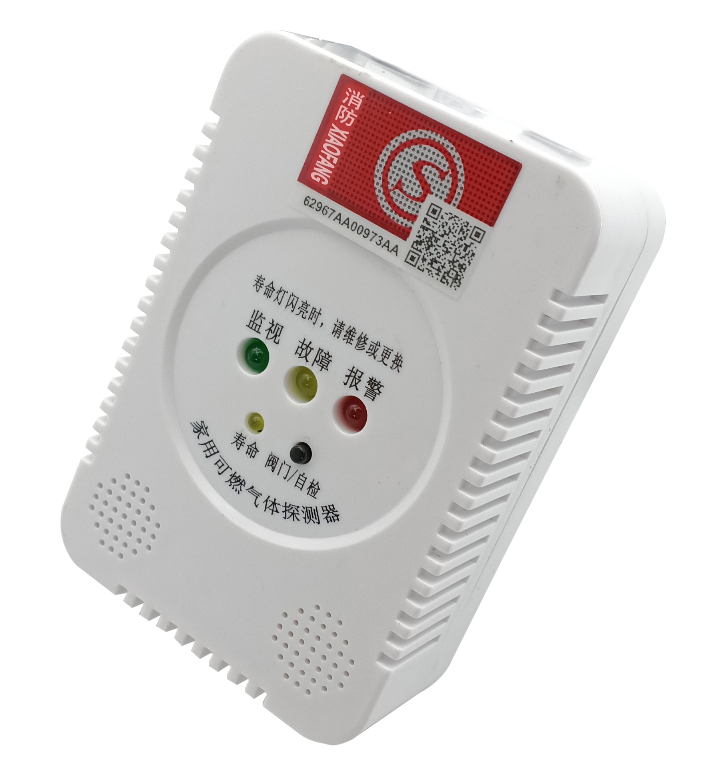
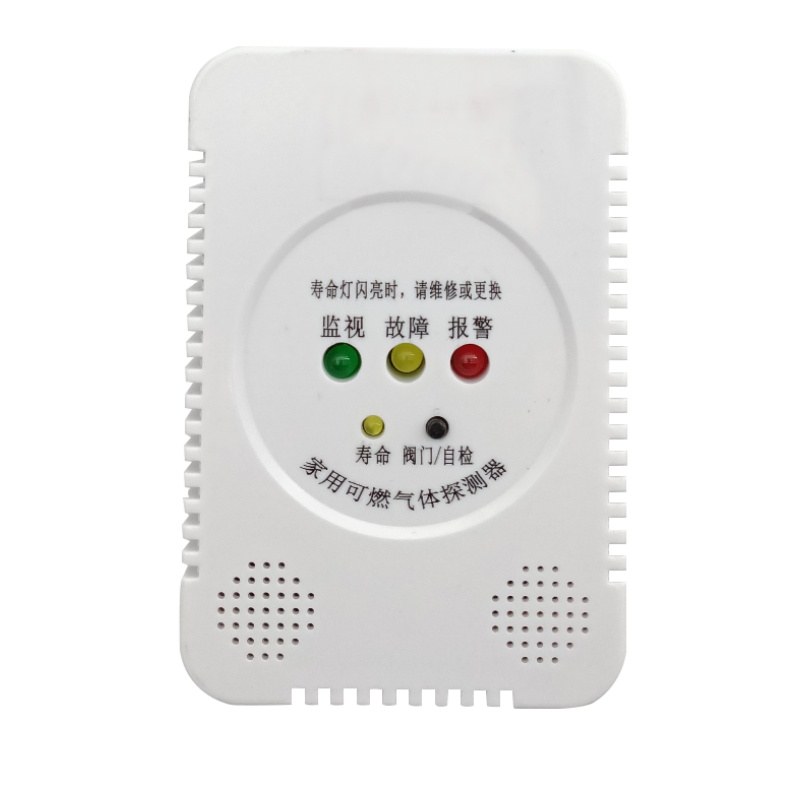
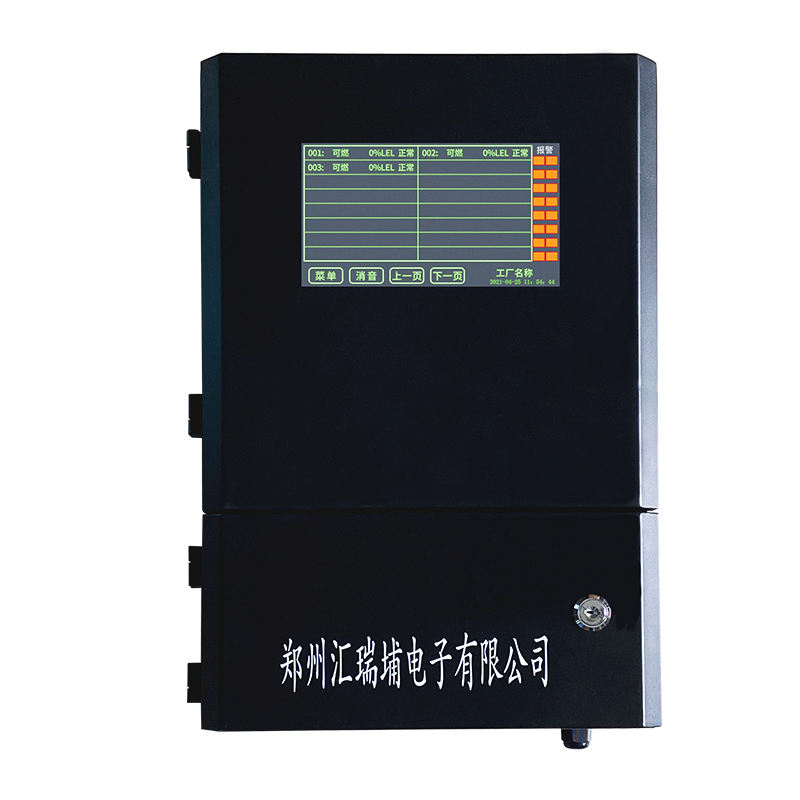
JT-HR100 Household Combustible Gas Alarm
Intelligent gas safety protection solution
Product introduction
JT-HR100 Household Combustible Gas Alarm is a safety monitoring device specially designed for home and indoor environment. The product can continuously detect the change of combustible gas concentration in the air and give early warning in case of gas leakage.
The equipment adopts high-sensitivity gas sensing technology, which can quickly detect the abnormal change of combustible gas concentration. When the detected gas concentration reaches the preset alarm value, the alarm will automatically start the acousto-optic alarm function to remind users to take emergency measures in time.
Flammable gas leakage is one of the main safety hazards in residential and indoor environment. Because the leaked gas is usually not found by human senses in time, installing a reliable gas alarm can effectively improve the safety protection ability and reduce the risk of fire and explosion caused by gas leakage.
JT-HR100 is suitable for all kinds of indoor places using gas equipment, including homes, apartments, kitchens, hotels, restaurants, offices and other commercial environments.
What is a household combustible gas alarm?
Household combustible gas alarm is a kind of safety monitoring equipment for continuously detecting the change of combustible gas concentration in indoor air.
When the detected gas concentration exceeds the preset alarm threshold, the equipment will automatically start an audible and visual alarm to remind personnel to take safety measures such as closing the gas valve, ventilation and evacuation in time.
Common sources of combustible gas leakage include:
- Natural gas pipeline
- Liquefied petroleum gas (LPG)
- gas stoves
- gas heater
- Gas heating equipment
- boiler
- Other combustion equipment
JT-HR100 can continuously monitor indoor gas environment, and help users find potential leakage risks in advance through real-time detection and rapid alarm mechanism.
Working principle of JT-HR100
JT-HR100 adopts high-performance gas sensing technology, and realizes fast and accurate gas leakage monitoring by detecting the change of combustible gas concentration in the surrounding environment.
The equipment converts the gas concentration change into an electrical signal through a sensor, and carries out data analysis and processing through an internal control circuit.
Detection process
The complete monitoring process includes:
- Indoor air enters the gas detection area through the air inlet;
- Combustible gas molecules contact the sensor;
- The sensor detects the change of gas concentration;
- The sensor converts the change of gas concentration into an electrical signal;
- The internal circuit processes and analyzes the detection data;
- The system compare that detected concentration with a preset alarm value;
- When the gas concentration exceeds the safety threshold, the equipment automatically starts the alarm;
- Buzzer and LED indicator light send out warning signals.
The whole detection process can run automatically without manual operation, providing continuous protection for indoor gas safety.
Product features and advantages
High sensitivity gas detection technology
JT-HR100 adopts advanced combustible gas detection technology and has the following characteristics:
- High detection sensitivity
- Fast response speed
- Stable detection performance
- Low false alarm rate
- Long service life
It can quickly find the risk of gas leakage and provide reliable safety monitoring.
Acousto-optic alarm function
When the concentration of dangerous gas is detected, JT-HR100 will automatically start:
- High decibel buzzer alarm
- LED indicator alarm
- Emergency warning signal
The quick alarm function helps users find dangerous situations in time and take effective measures.
Continuous real-time monitoring
JT-HR100 supports long-term continuous operation and realizes:
- Real-time gas concentration monitoring
- Automatic leak identification
- Fast alarm response
- Continuous indoor safety protection
Users can realize gas environment monitoring without manual duty.
Simple installation and convenient operation
JT-HR100 is specially designed for home and indoor applications, with:
- Wall mounting
- Simple operation
- Self-checking function
- Convenient daily inspection
- Low maintenance requirements
Users can easily complete the installation and use.
Low power consumption and long life design
JT-HR100 has:
- Low power design
- Long-term stable operation
- Reduce maintenance costs
- high reliability
- Long sensor life
Effectively reduce the long-term use cost.
Application scenario
family house
Applicable to:
- kitchen
- sitting room
- Gas equipment installation area
- Residential corridor
- Near the gas pipeline
Provide continuous gas leakage monitoring and safety protection for families.
Apartments and residential buildings
Applicable to:
- flat
- high-rise housing
- Rental housing
- Community residence
Improve the gas safety level of residential environment.
Hotels and accommodation places
Widely used in:
- Hotel room
- homestay
- dormitory
- Public accommodation area
Improve the safety management ability of accommodation environment.
Catering industry
Applicable to:
- Dining room kitchen
- canteen
- Commercial kitchen
- Gas equipment area
Reduce the safety risk caused by combustible gas leakage.
Commercial buildings and offices
Applicable to:
- Office area
- Commercial building
- Public indoor space
Ensure that employees and visitors have a safer working environment.
Why choose JT-HR100?
Compared with traditional gas detection equipment, JT-HR100 has the following advantages:
- High sensitivity combustible gas detection
- Quick response capability
- Automatic acousto-optic alarm
- Continuous monitoring function
- Simple installation
- Low power design
- Long service life
- Stable and reliable operation
JT-HR100 provides an efficient and reliable flammable gas safety protection scheme for modern domestic and commercial indoor environment.
product value
JT-HR100 integration:
- Combustible gas detection
- Real time monitoring
- Intelligent alarm
- Safety early warning
Through continuous monitoring and rapid alarm mechanism, JT-HR100 can help domestic and commercial users find the hidden danger of gas leakage in advance, reduce the risk of fire and explosion, improve the efficiency of emergency response and create a safer living and working environment.
Frequently asked questions FAQ
1. What gases can JT-HR100 detect?
JT-HR100 is mainly used to detect combustible gases, such as natural gas and liquefied petroleum gas (LPG), and is not used to detect smoke or carbon monoxide.
2. Why do families need to install combustible gas alarms?
Gas leakage is usually difficult to find through human senses in time. The installation of gas alarm can provide early warning before the formation of dangerous concentration and reduce the risk of safety accidents.
3. Where should JT-HR100 be installed?
Recommended installation locations include:
- kitchen
- Near gas equipment
- Near the gas pipeline
- Areas where gas leakage may occur.
4. Can JT-HR100 be installed in the kitchen?
Sure. It is recommended to install it away from the direct influence of oil smoke and water vapor to maintain the performance of the sensor.
5. Does JT-HR100 support continuous monitoring?
Support. The equipment can run continuously and monitor the indoor combustible gas concentration in real time.
6. What happens when a gas leak is detected?
When the gas concentration exceeds the alarm threshold, JT-HR100 will automatically start:
- Buzzer alarm
- the led warning lamp
Remind users to take emergency measures.
7. What detection technology does JT-HR100 use?
JT-HR100 adopts high-performance gas sensing technology to realize fast response and stable combustible gas detection.
8. How to confirm whether the alarm works normally?
Users can check the alarm status through the self-check function of the equipment to confirm whether the buzzer and indicator light are running normally.
9. Does JT-HR100 need regular maintenance?
It is recommended to check the running status of the equipment regularly and keep the air inlet clean to avoid dust affecting the detection performance.
10. Is JT-HR100 complicated to install?
Not complicated. The product supports simple wall-mounted installation without complicated wiring.
11. where can JT-HR100 be applied?
JT-HR100 is suitable for:
- family
- flat
- hotel
- restaurant
- office
- school
- Commercial building
And other indoor environments that use gas.
12. Is JT-HR100 prone to false alarm?
The product adopts stable sensing technology and optimized detection performance, and has low false alarm probability under normal use conditions.
13. Can JT-HR100 run continuously for a long time?
Sure. The equipment supports long-term continuous operation and provides continuous gas safety protection for indoor environment.
14. What are the main advantages of JT-HR100?
The main advantages include:
- High sensitivity gas detection
- Fast alarm response
- Acousto-optic alarm function
- Continuous monitoring
- Simple installation
- low power consumption
- high reliability
15. Why choose JT-HR100?
JT-HR100 adopts reliable combustible gas detection technology, combined with fast alarm response and stable operation performance, which provides continuous and effective gas safety protection for families, hotels, restaurants, offices and various indoor environments, and is an ideal choice for modern indoor gas safety monitoring.