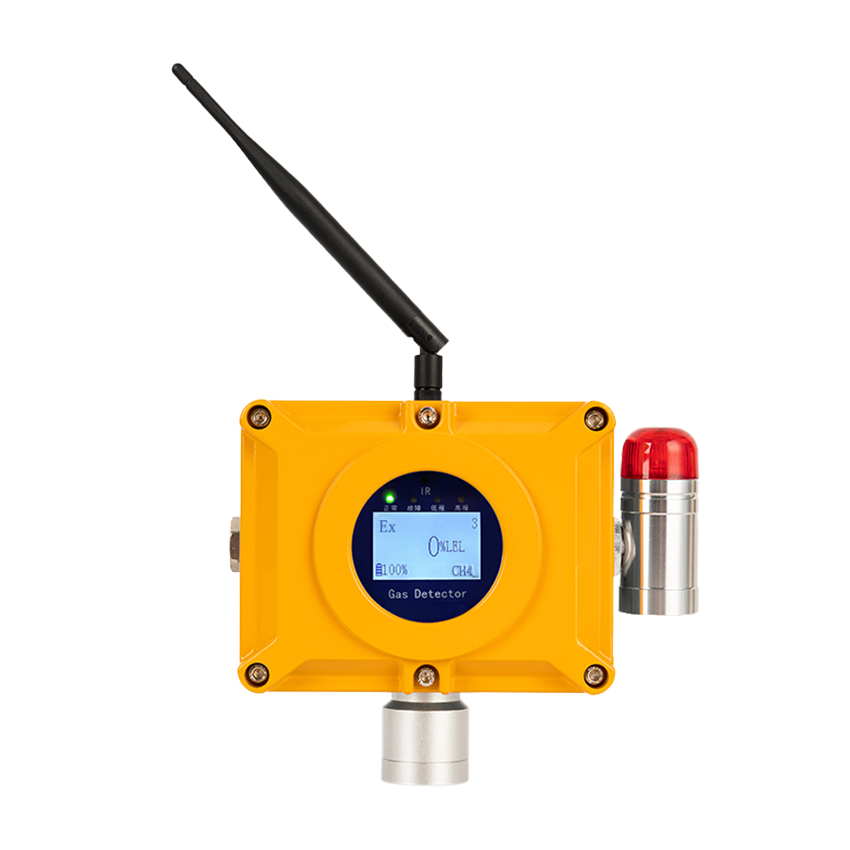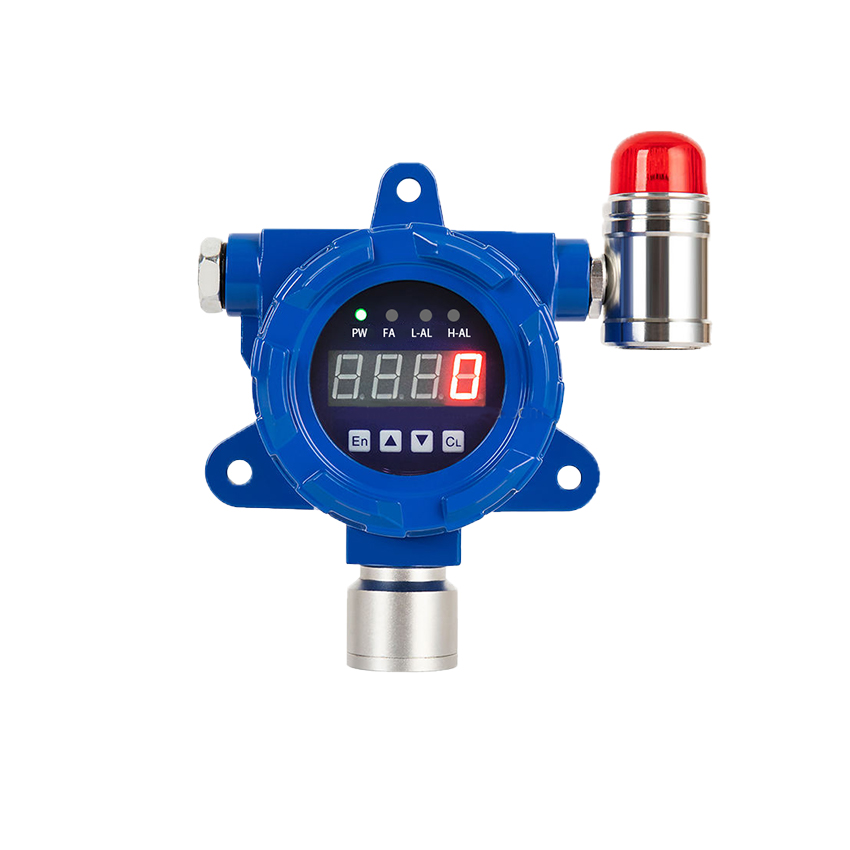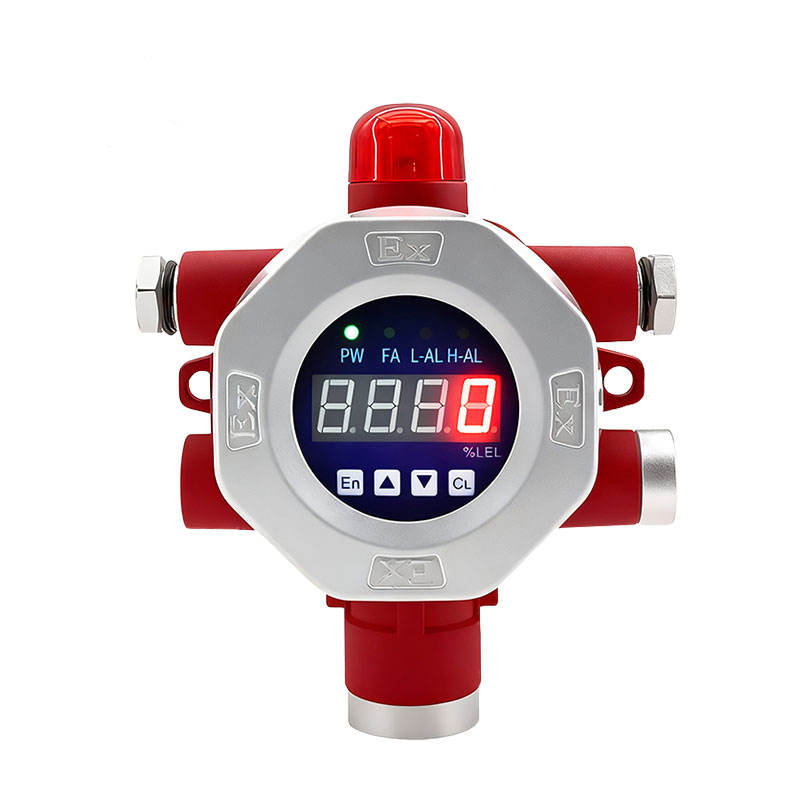
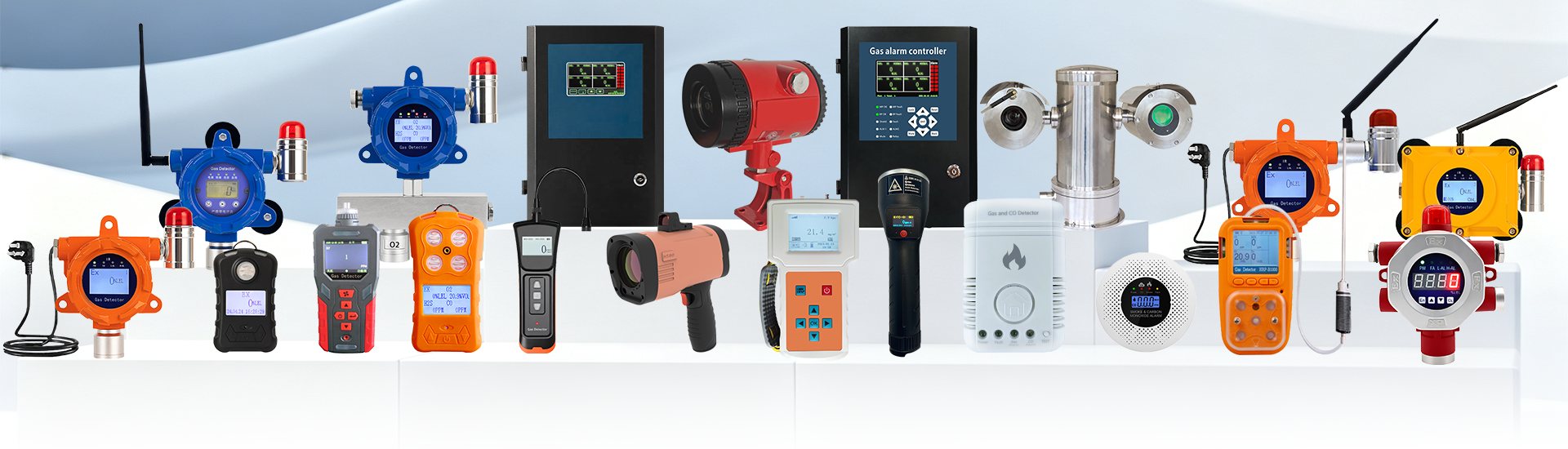
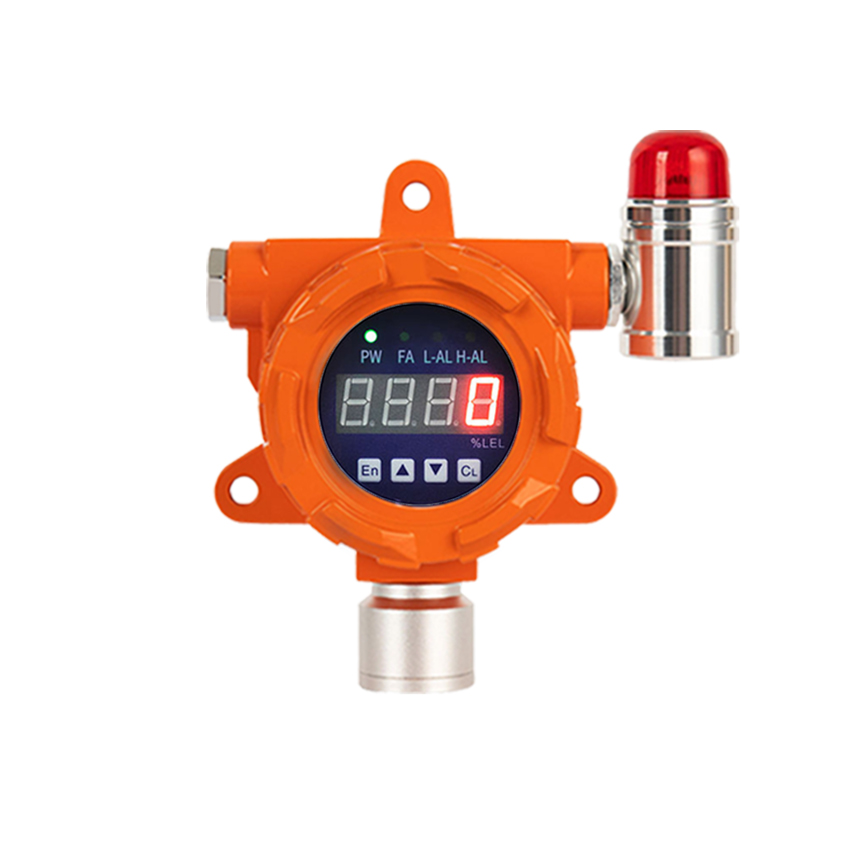
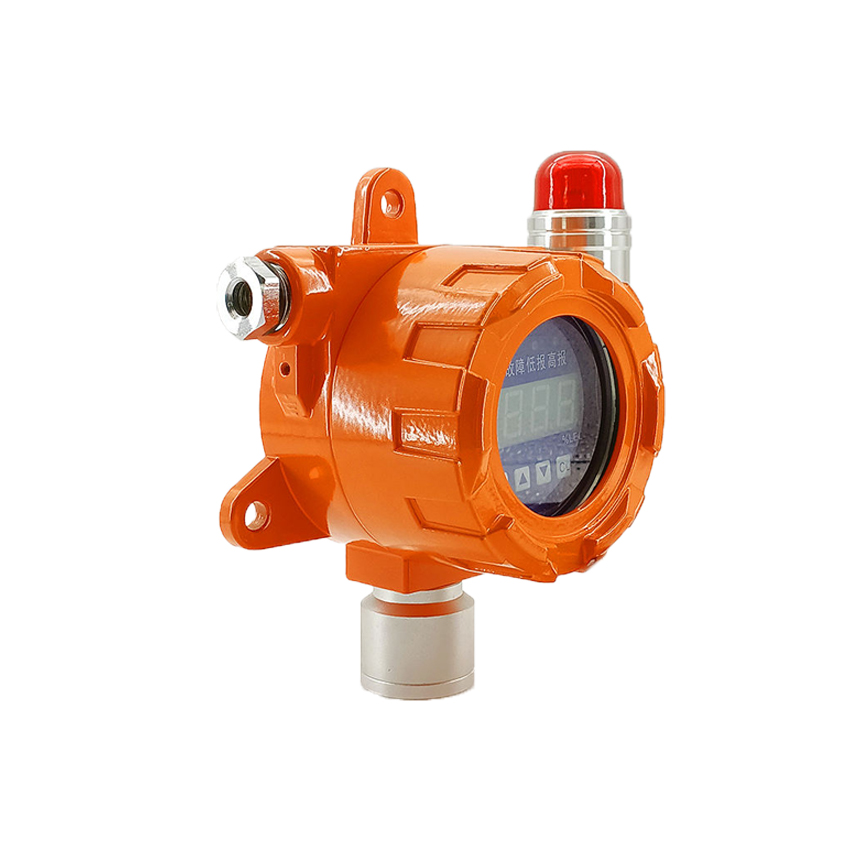
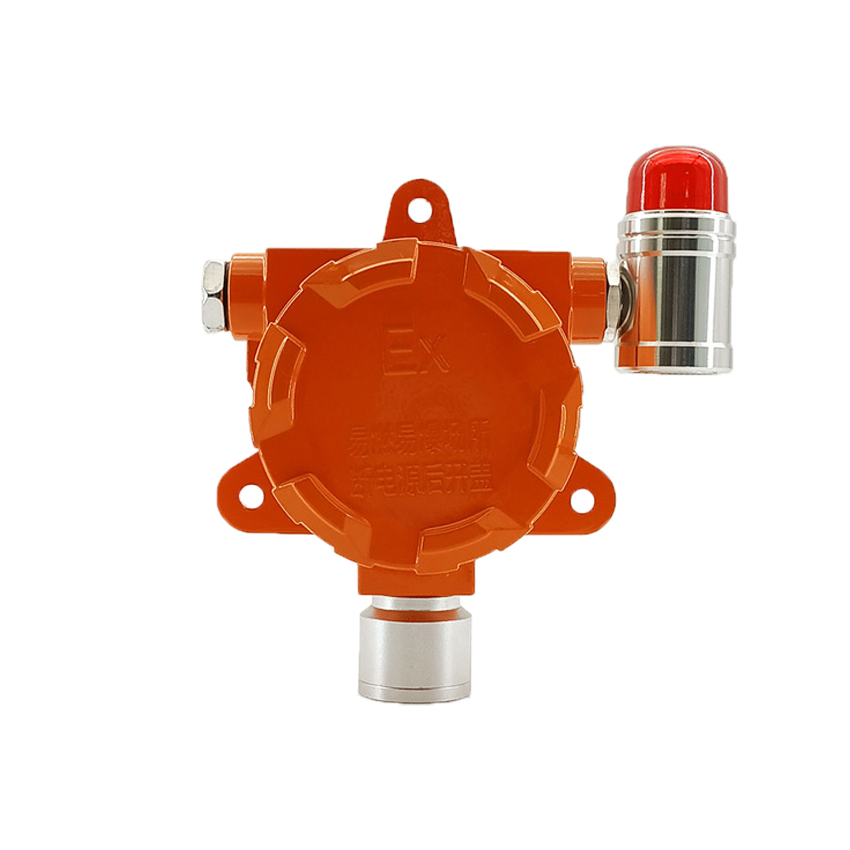
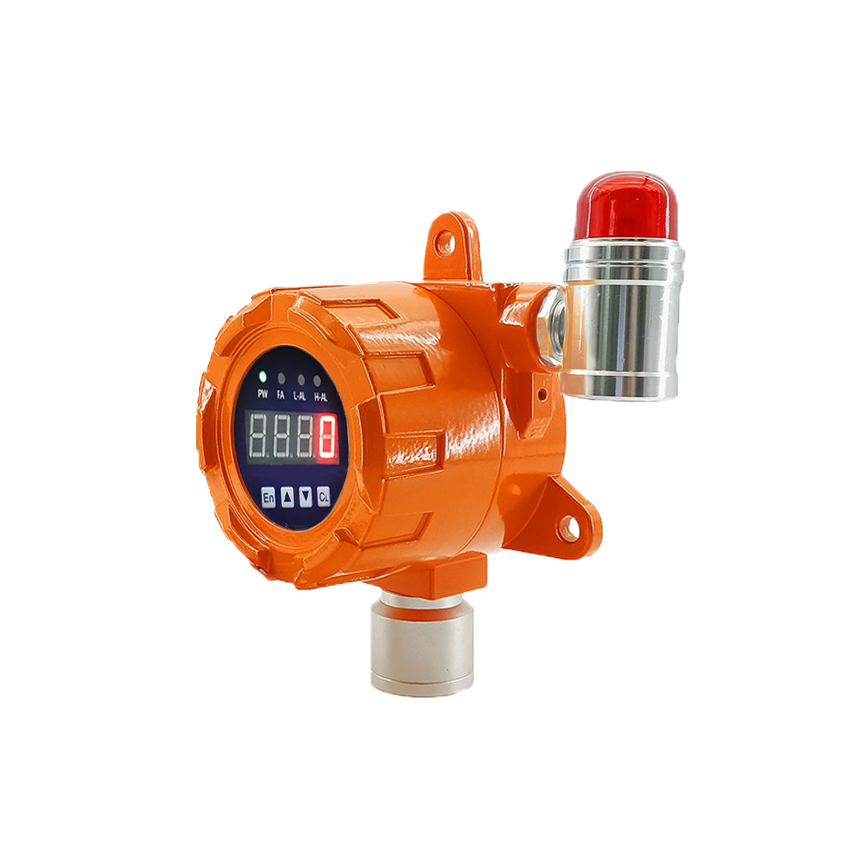
Fixed Toxic Gas Detector-HRP-T1000-B
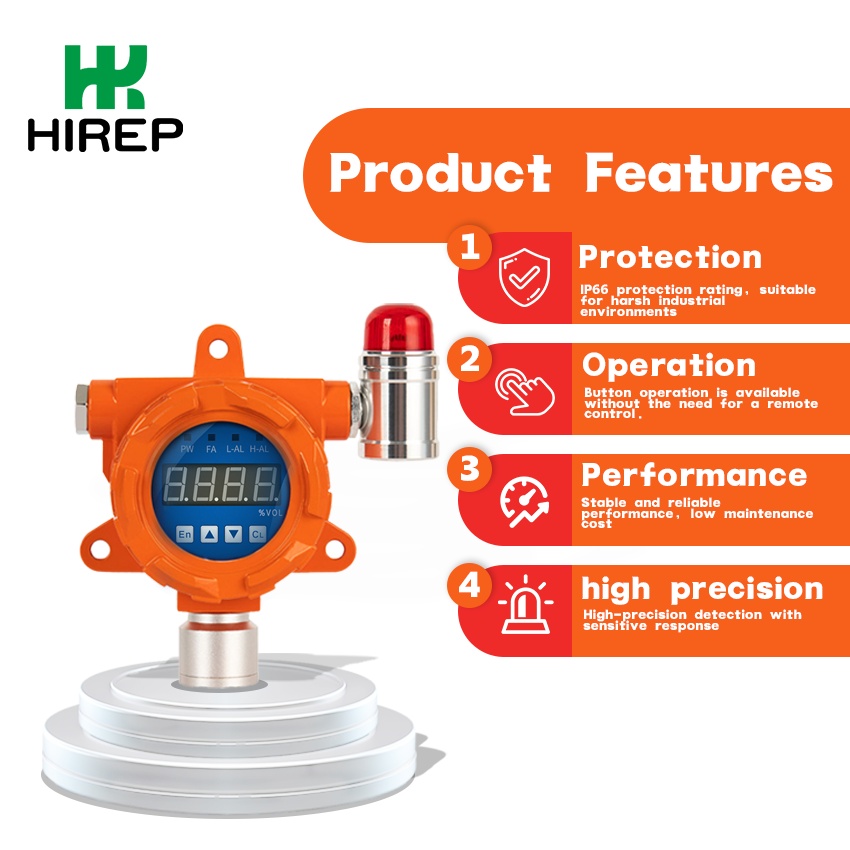
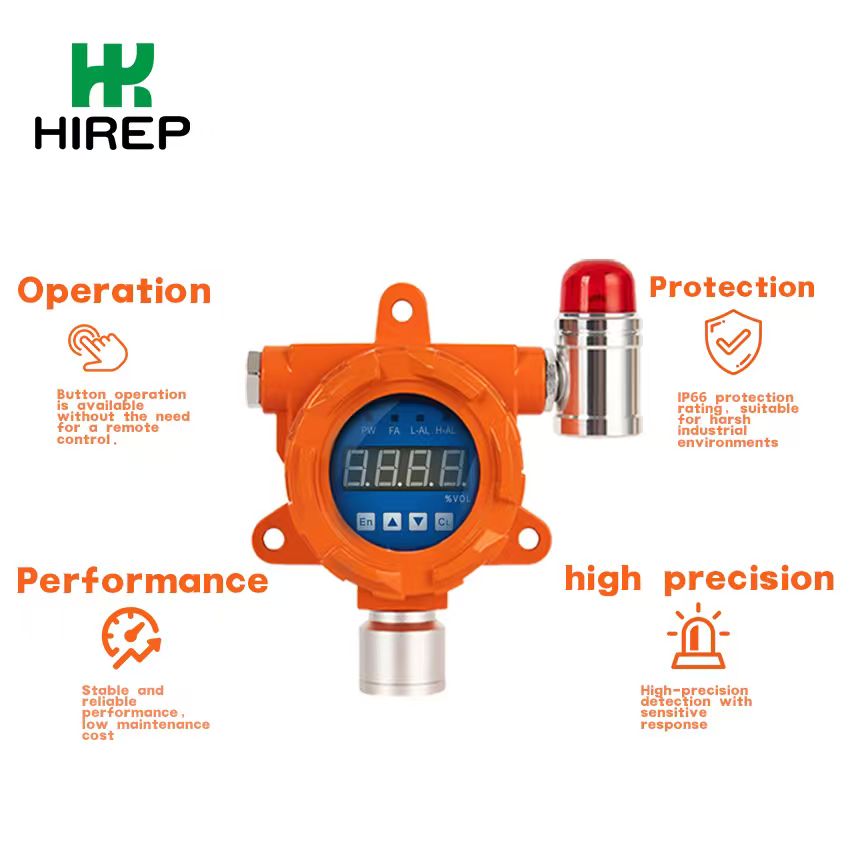
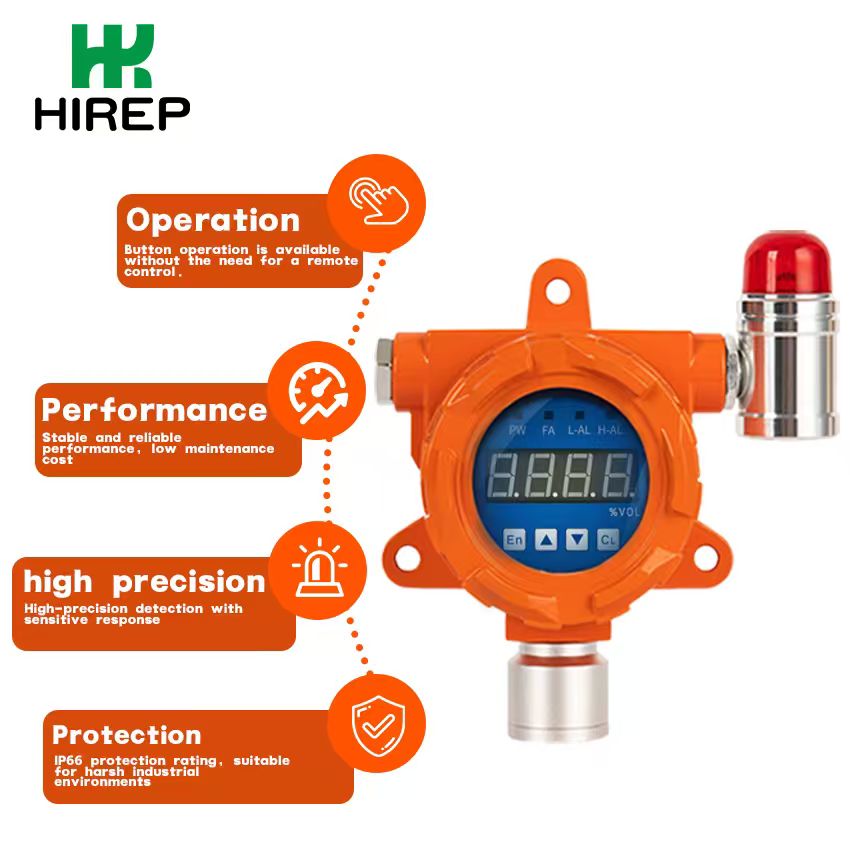
The HRP-T1000-B is a continuous online monitoring device installed in industrial sites to detect changes in the concentration of toxic and harmful gases in the environment in real time. When the concentration of the measured gas reaches a preset alarm threshold, the device immediately issues an audible and visual alarm and outputs a signal to the upper-level system, providing reliable protection for personnel and preventing accidents. This device typically uses electrochemical sensors (infrared, PID, etc. are optional for some gases), featuring high sensitivity, fast response, and good stability, and is widely used in industrial and public places with a risk of poisoning.
The alarm threshold of toxic gas detectors is usually related to the occupational exposure limit (OEL).


-
High precision
-
Global Shipping
-
Customized
-
24*7 support
-
OEM/ODM
- Features
- Parameters
- Accessories
- Gases and Ranges
HRP-T1000-B fixed toxic gas detectors are core safety monitoring devices for 24/7 uninterrupted monitoring of toxic gas leaks in industrial sites. Specifically designed for high-risk industries such as chemical, mining, metallurgy, and electroplating, they accurately address key safety concerns such as personnel poisoning, equipment corrosion, and production interruptions caused by the uncontrolled diffusion of toxic gases. They enable real-time concentration display at the leak point, tiered early warning for exceeding thresholds, and remote data monitoring, thus building a solid first line of defense for industrial safety.
The equipment has passed ATEX II 2G Ex ia IIC T6 Ga intrinsically safe explosion-proof certification and CE 1282 compliance mark, meeting the requirements of EU Directive 2014/34/EU; it achieves IP66 dustproof and waterproof rating, and can withstand harsh environments such as high temperature, high humidity, dust, and corrosiveness; the sensor has a lifespan of 2-3 years, supports on-site replacement and calibration, and has low maintenance costs; it is factory-supplied, supports customized requirements such as gas type detection, installation method, and output signal, and provides OEM/ODM services to meet the usage scenarios of customers in different regions around the world.
1.System integration and automation linkage
Stationary gas detector can be used as a part of industrial Internet of Things (IIoT) and seamlessly integrated with the central control system (such as DCS, PLC) or safety instrument system (SIS) of the factory. When dangerous gas leakage is detected, the system can not only give an alarm, but also automatically trigger a series of emergency plans, such as starting the emergency exhaust system, closing related pipeline valves, cutting off production power supply, etc., so as to realize automatic safety management from passive monitoring to active disposal.
2.Improve enterprise compliance and reputation
Installing a standard fixed gas detection system is a key measure for enterprises to meet national and industrial safety production regulations (such as OSHA and ISO). This can not only help the enterprise to pass the safety audit smoothly, avoid the risk of fines and production suspension caused by violations, but also show employees, customers and the public that the enterprise attaches great importance to safety, thus enhancing the corporate social responsibility image and market reputation.
3.Provide early warning to realize preventive safety.
Unlike personal portable devices, which usually give an alarm after people enter a dangerous environment, fixed systems can continuously monitor the leakage source or diffusion path. It can give an early warning before the concentration of dangerous gas accumulates to endanger the safety of personnel or reach the lower explosion limit, so as to gain valuable "golden time" for personnel evacuation and emergency treatment, and truly realize the safety protection from "reactive" to "preventive".
4.Optimize long-term operating costs
Although the initial investment of fixed gas detection system is relatively high, in the long run, its operating cost is more advantageous. Sensors of fixed equipment usually have a longer service life (up to several years) and a stable maintenance cycle, unlike portable equipment that needs frequent charging, calibration and replacement. In addition, by preventing major safety accidents, enterprises can avoid huge property losses, production interruptions and compensation for casualties caused by accidents, and the return on investment is extremely high.
5.Reduce human error and have higher reliability.
The fixed gas detection system provides objective and continuous automatic monitoring, which does not depend on the operating habits and compliance of personnel. It eliminates the security loopholes caused by human factors such as employees forgetting to wear them, wrong operation, equipment running out of power or not being calibrated in time. This "never tired" monitoring method provides a more stable and reliable security guarantee for the industrial environment.
Single Gas Detec
- Detected Gases: Toxic gas, Oxygen
- Detection Principle: Catalytic Combustion
- Sampling Method: Natural Diffusion
- Detection Range: PPM, %LEL, %VOL, mg/m³
- Response Time: LEL < 30 s (T90), Toxic Gas < 60 s
- Setting Method: Button or Remote Control
- Power: DC 24 V ±12 V ≤ 3 W
- Output Signal: 4-20 mA / RS485 or Both
- Transmission Distance: < 1000 m
- Operating Temperature: -20℃ - +55℃
- Relative Humidity: ≤ 95% RH (Non-condensing)
- Explosion-Proof Rating: ll 2G Ex db lIC T6 Gb
- Ingress Protection: IP66
- Enclosure Material: Die-Cast Aluminum (Optional: 304 Stainless Steel)
- Dimensions: 195 x 185 x 95 mm
- Weight: < 1000 g
- Cable Entry: M20 x 1.5 or G1/2
- Mounting Method: Wall-Mounted

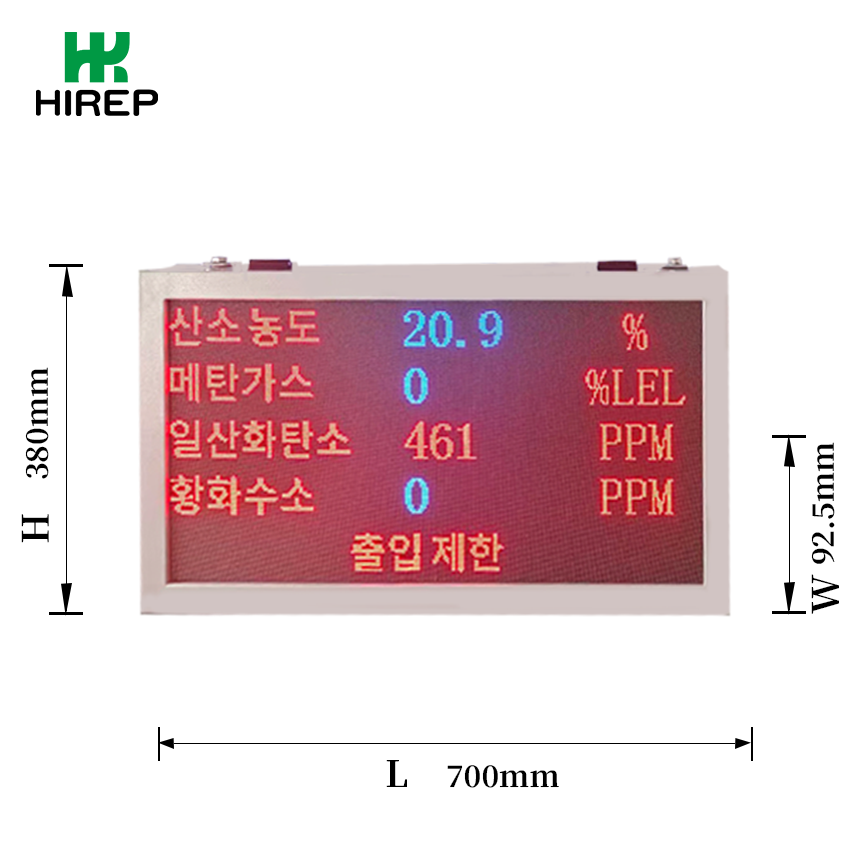
LED Display Screen(Optional, not required):
This gas concentration monitoring display screen features a dual-color display and connects to the host computer via RS485 protocol. It is primarily used to display real-time concentration data for various gases. The font colors differ between alarm and normal states. Normal state text is blue, while alarm state text is red.
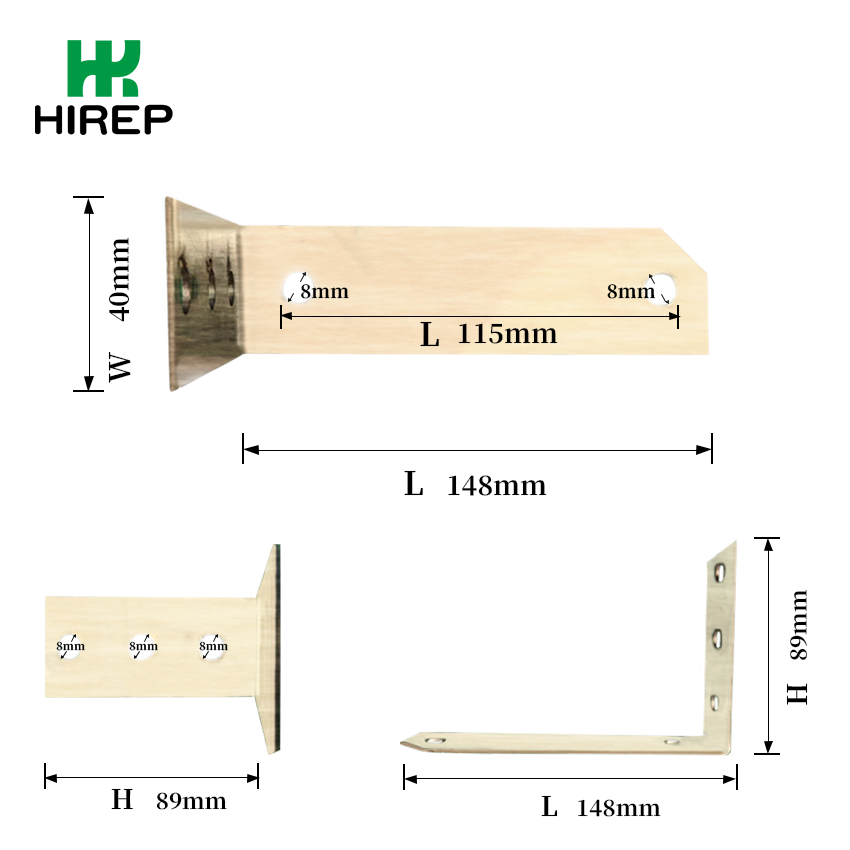
Mounting Bracket(Optional selection):
High-strength metal mounting brackets are specifically designed for mounting gas monitors and actuators, and are typically used for wall-mounted installations.
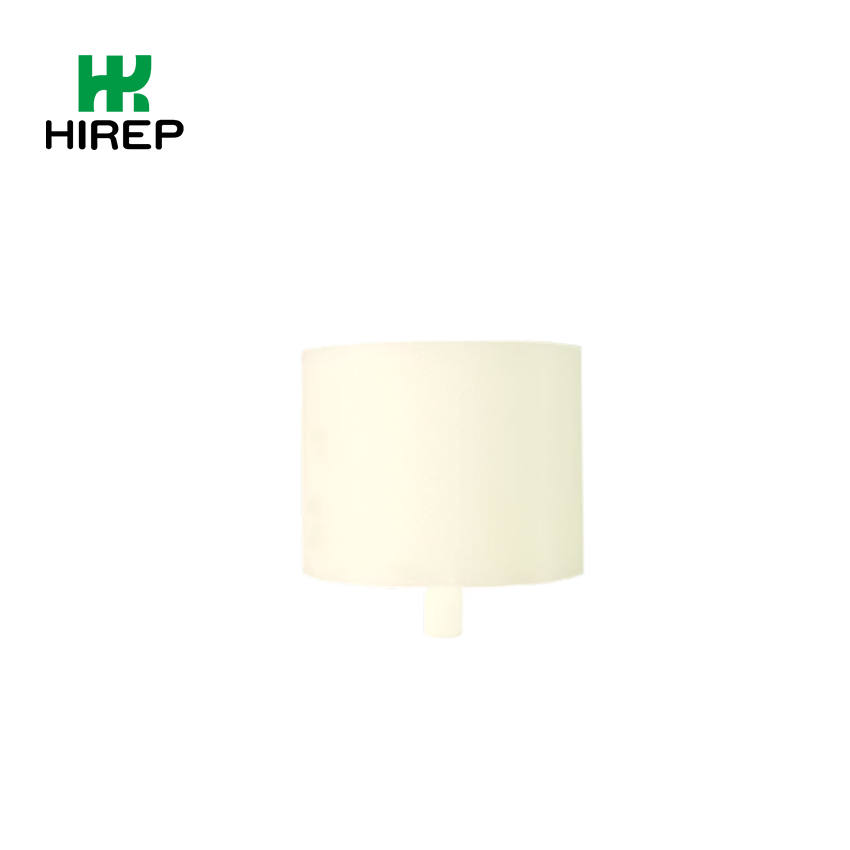
Calibration Hood(Optional selection):
This is a standard calibration cover specially designed for HIREP series fixed gas detectors, which is used for fast and accurate gas concentration calibration and sensor testing on the equipment site. It has simple structure and good sealing performance, which ensures that the gas can evenly cover the sensor probe during calibration and avoid external interference.
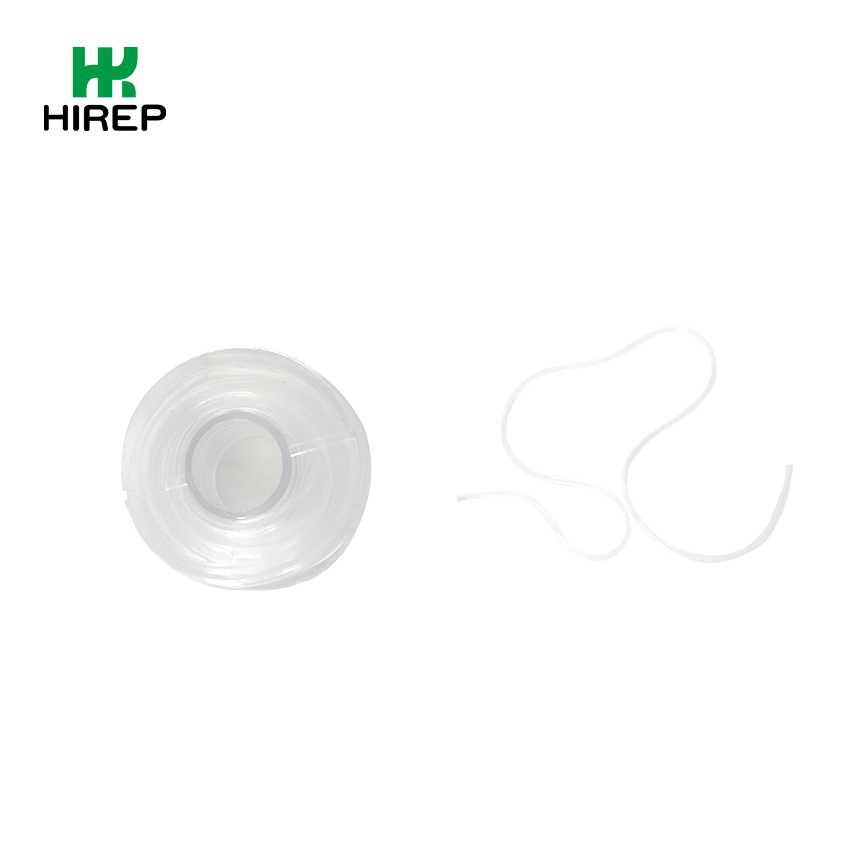
Sampling Tube(Optional):
The sampling tube is made of polytetrafluoroethylene (PTFE), which is resistant to high temperatures and corrosion. It is usually used in conjunction with an external pump to safely and stably deliver the gas to be tested in the environment to the sensor analysis unit. It is suitable for remote sampling, detection in confined spaces, or gas monitoring under complex working conditions.
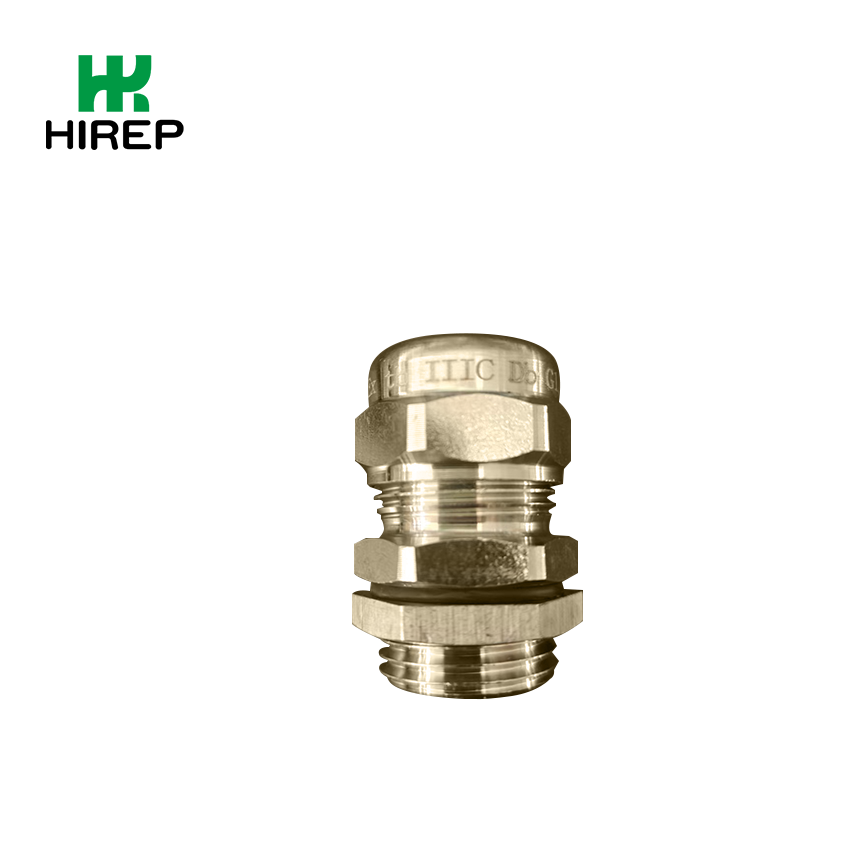
Explosion-Proof Cable Gland(Optional):
Used for the safe wiring connection of fixed gas detector, alarm host or electrical equipment in explosive environment. Its structure conforms to international explosion-proof standards, ensuring reliable sealing and electrical isolation in flammable and explosive gas environment and preventing accidents caused by sparks or high temperature.
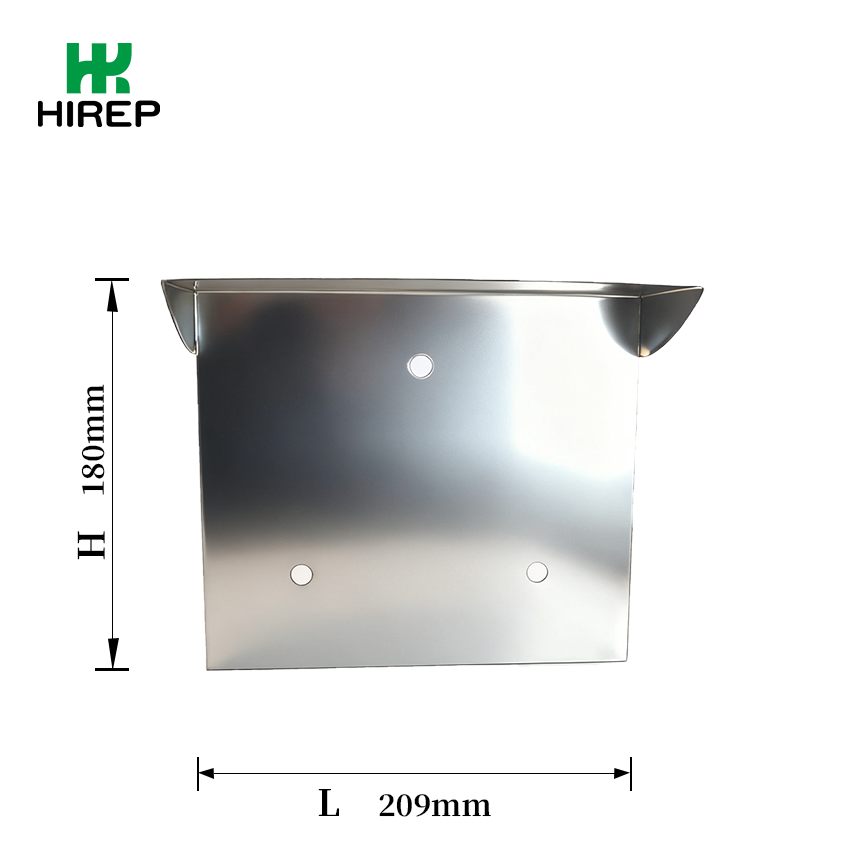
Rain cover(Optional):
Prevents rainwater, dew, and spray water from entering the detector housing, circuitry, and sensor cavity, preventing short circuits due to moisture on the circuit board, reducing rainwater corrosion, and minimizing aging damage to the detector housing and probe caused by ultraviolet radiation. Significantly improves equipment durability, especially suitable for outdoor, open-air, and factory outdoor installation scenarios.
| Name | Chemical Formula | Measurement Range | Optional Range | Resolution | Low Alarm | High Alarm | |
| l | Flammable Gas | EX | 0-100%LEL | 0-100%vol(Infrared) | 1%LEL/1%vol | 20 | 50 |
| 2 | Methane | CH₄ | 0-100%LEL | 0-100%vol(Infrared) | 1%LEL/1%vol | 20 | 50 |
| 3 | Oxygen | O₂ | 0-30%vol | 0-100%vol | 0.1%vol | 19.5% | 23.5%vol |
| 4 | Hydrogen Sulfide | H₂S | 0-100ppm | 0-50/200/1000ppm | 0.1/lppm | 10 | 20 ppm |
| 5 | Carbon Monoxide | CO | 0-1000ppm | 0-500/2000/5000ppm | lppm | 50 | 150 ppm |
| 6 | Carbon Dioxide | CO₂ | 0-5000ppm | 0-1%15%/10%vol | lppm/0.1%vol | 1000 | 2000 |
| 7 | Nitric Oxide | NO | 0-250ppm | 0-500/1000ppm | lppm | 50 | 150 ppm |
| 8 | Nitrogen Dioxide | NO₂ | 0-20ppm | 0-50/1000ppm | 0.1ppm | 5 | 10 ppm |
| 9 | Sulfur Dioxide | SO₂ | 0-20ppm | 0-50/1000ppm | 0.1/lppm | 5 | 10 ppm |
| 10 | Chlorine Gas | CL₂ | 0-50ppm | 0-100/1000ppm | 0.1ppm | 5 | 10 ppm |
| 11 | Hydrogen | H₂ | 0-1000ppm | 0-5000ppm | lppm | 50 | 150 ppm |
| 12 | Ammonia | NH₃ | 0-100ppm | 0-50/500/1000ppm | 0.1/lppm | 20 | 50 ppm |
| 13 | Phosphine | PH₃ | 0-20ppm | 0-20/1000ppm | 0.1ppm | 5 | 10 ppm |
| 14 | Hydrogen Chloride | HCl | 0-50ppm | 0-20/500/1000ppm | 0.001/0.1ppm | 5 | 10 ppm |
| 15 | Chlorine Dioxide | CLO₂ | 0-50ppm | 0-10/100ppm | 0.1ppm | 5 | 10 ppm |
| 16 | Hydrogen Cyanide | HCN | 0-50ppm | 0-100ppm | 0.1/0.01ppm | 10 | 20 ppm |
| 17 | Ethylene Oxide | C₂H₄O | 0-100ppm | 0-100ppm | 1/0.1ppm | 20 | 50 ppm |
| 18 | Ozone | O₃ | 0-20ppm | 0-20/100ppm | 0.1ppm | 2 | 5ppm |
| 19 | Formaldehyde | CH₂O | 0-10ppm | 0-50/100ppm | 1/0.1ppm | 2 | 5 ppm |
| 20 | Hydrogen Fluoride | HF | 0-10ppm | 0-1/10/50/100ppm | 0.01/0.1ppm | 2 | 5 ppm |
| 21 | Xylene/Toluene | C₆H₄ (CH₃)₂ | 0-40ppm | 0-1/10/50/100ppm | 0.01/0.1ppm | 5 | 10 ppm |
| 22 | Benzene | C₆H₆ | 0-100ppm | 50/5001000ppm | 1PPM/0.1ppm | 200 | 500ppm |
| 23 | Methanol | CH₃OH | 0-100ppm | 20/50ppm | lppm | 2 | 10 ppm |
| 24 | Ethanol | C₂H₅OH | 0-100ppm | 20/50ppm | lppm | 5 | 10 ppm |
| 25 | Ethyl Acetate | C₄H₈O₂ | 0-100ppm | 10/20/50ppm | lppm | 200 | 500ppm |
| 26 | Methyl Mercaptan | CH₃SH | 0-100ppm | 20/50ppm | lppm | 500 | 800ppm |
| 27 | Vinyl Chloride | C₂H₃Cl | 0-10ppm | 20/50/100ppm | lppm | 20 | 50ppm |
| 28 | Tetrachloroethylene | C₂Cl₄ | 0-10ppm | 20/50ppm | lppm | 20 | 50ppm |
| 29 | Nitrobenzene | C₆H₅NO₂ | 0-100ppm | 20/50ppm | lppm | 2.4 | 4.8ppm |
| 30 | Aniline | C₆H₅NH₂ | 0-10ppm | 20/50ppm | lppm | 200 | 500ppm |
| 31 | Carbon Disulfide | CS₂ | 0-10ppm | 20/50/100ppm | lppm | 200 | 500ppm |
| 32 | Chloroform | CHCl₃ | 0-20ppm | 10/50/100ppm | lppm | 200 | 500ppm |
| 33 | Diethyl Ether | C₄H₁00 | 0-20ppm | 10/50ppm | lppm | 200 | 500ppm |
| 34 | Acetaldehyde | CH₃CHO | 0-20ppm | 10/20/50ppm | lppm | 20 | 50ppm |
| 35 | Arsine | AsH₃ | 0-10ppm | 1/20ppm | 1PPM/0.1ppm | 200 | 500ppm |
| 36 | Acrylonitrile | C₃H₃N | 0-100ppm | 10/20/50ppm | lppm | 5 | 10ppm |
| 37 | Hydrogen Bromide | HBr | 0-100ppm | 10/20/50ppm | lppm | 200 | 500ppm |
| 38 | Styrene | C₈H₈ | 0-100ppm | 10/20/50ppm | lppm | 20 | 50ppm |
Send Message
Just drop us a line, call, or fill out the form. Our team will provide you with transparent pricing, detailed technical data sheets,very feasible solution, and genuine after-sales support—no hidden costs, no empty promises.