HRP-BRP-550 Pan-Tilt Laser Methane Detector | Long Range CH4 Leak Detection System
HRP-BRP-550 Pan-Tilt Laser Methane Detector for Long Range CH4 Leak Detection


-
High precision
-
Global Shipping
-
Customized
-
24*7 support
-
OEM/ODM
- Features
- Parameters
- Accessories
- Gases and Ranges
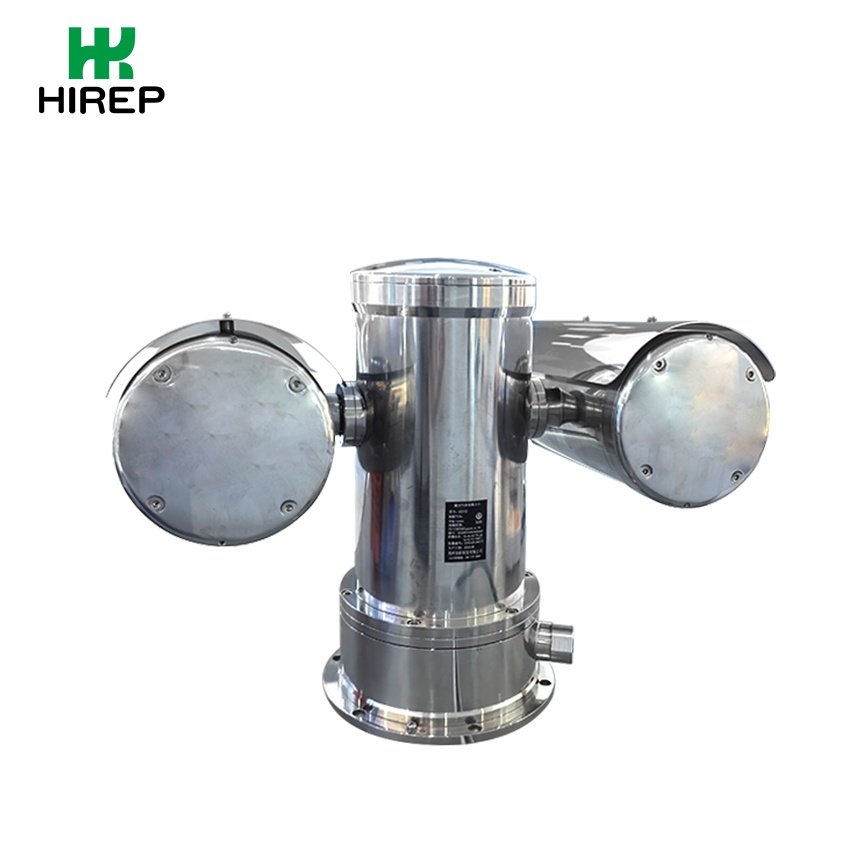
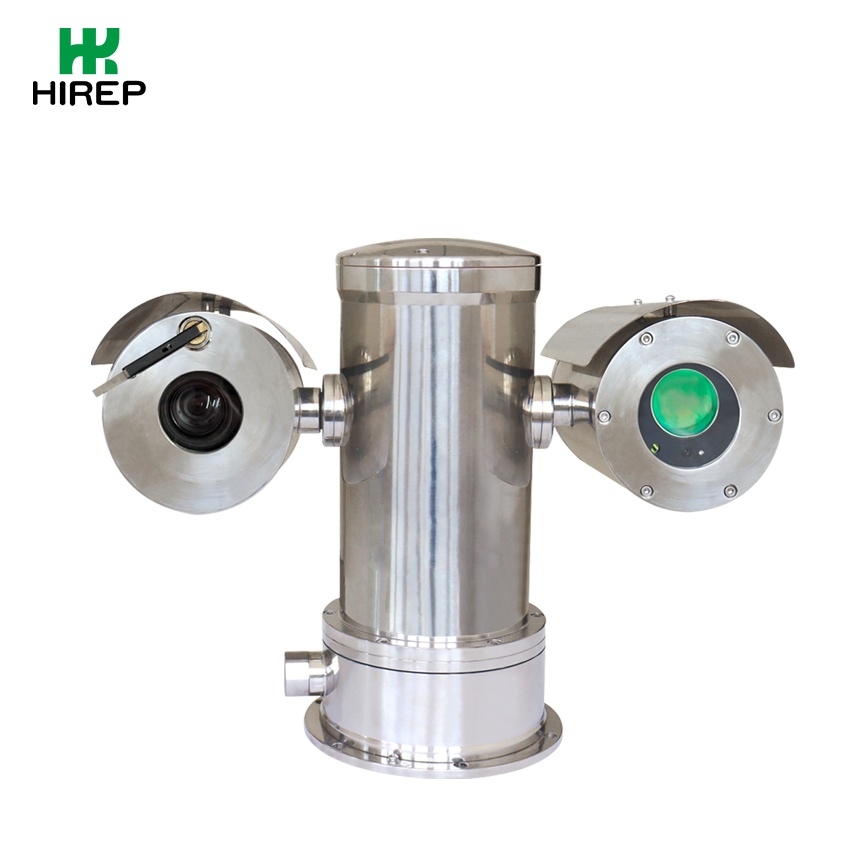
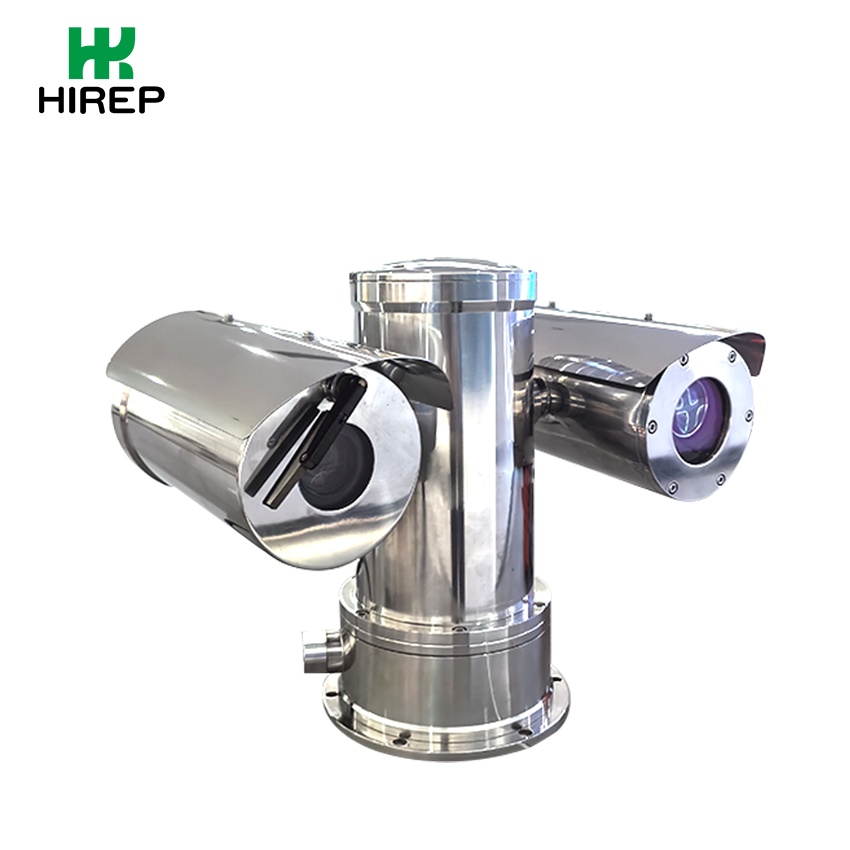
HIREP BRP-550 PTZ scanning laser methane detector
HIREP BRP-550 is a remote PTZ scanning laser methane detector, which is specially designed for remote and non-contact detection of methane (CH4) leakage in industrial environment. The equipment is especially suitable for natural gas pipelines, oil and gas facilities, gas filling stations, chemical plants, gas storage areas and other application scenarios that require continuous and long-distance methane monitoring.
BRP-550 adopts TDLAS (tunable semiconductor laser absorption spectrum) technology to detect methane through laser absorption principle. Compared with the traditional point gas detector, BRP-550 can detect methane leakage from a certain distance without installing the sensor directly near the potential leakage point. This non-contact detection method is very suitable for areas with large monitoring area or inaccessible areas, and helps to reduce the possible monitoring blind spots in traditional detection methods.
The detection range of BRP-550 is 0–100,000 ppm m, the resolution can reach 1 ppm·m, and the response time is ≤0.05 second. The rapid response capability can help equipment identify methane leakage in time and send out alarm information quickly, thus meeting the demand of rapid response for industrial safety monitoring.
BRP-550 integrates PTZ scanning mechanism, and the horizontal scanning range reaches 360 and the pitching scanning range reaches 90. This large-scale scanning capability enables the equipment to cover a large monitoring area. According to different project requirements, users can choose 50m, 100m, 150m or 300m telemetry distance configuration.
In terms of industrial system integration, BRP-550 provides RS485 and Ethernet communication interfaces, which can be connected with monitoring systems, control platforms, industrial networks or other safety management systems. The equipment supports adjustable alarm settings, and users can set methane alarm thresholds according to specific application requirements.
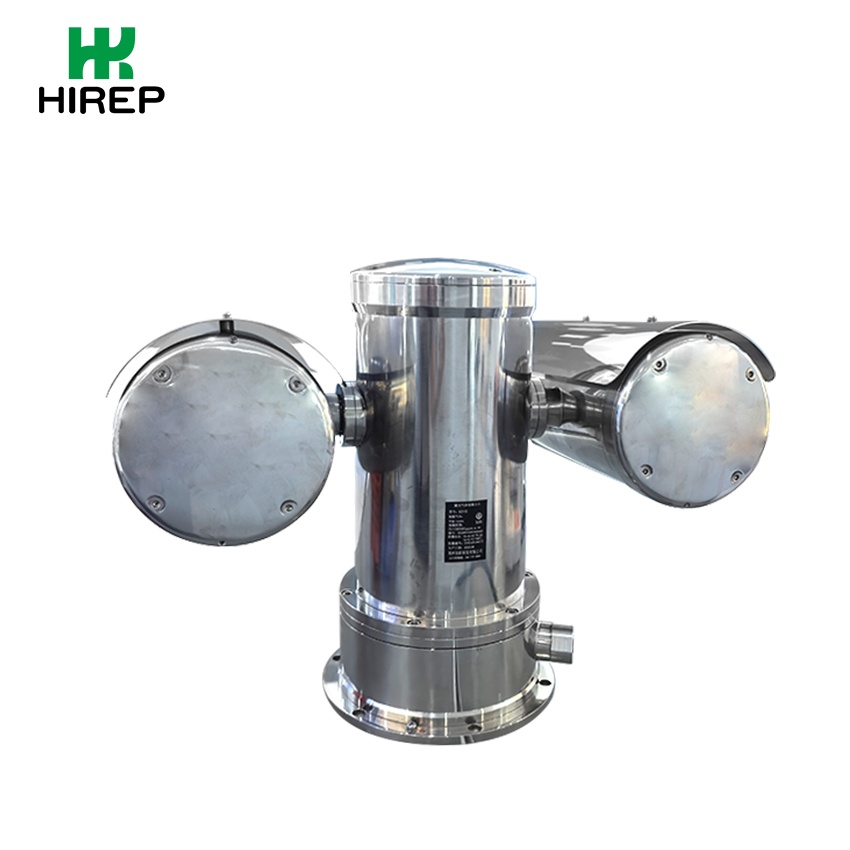
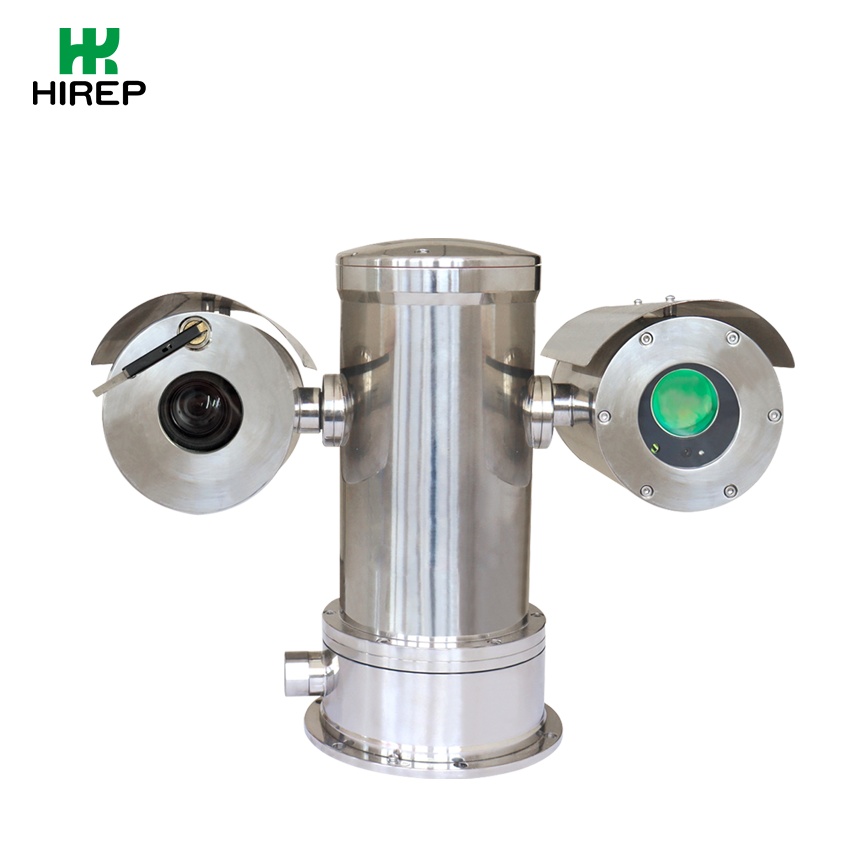
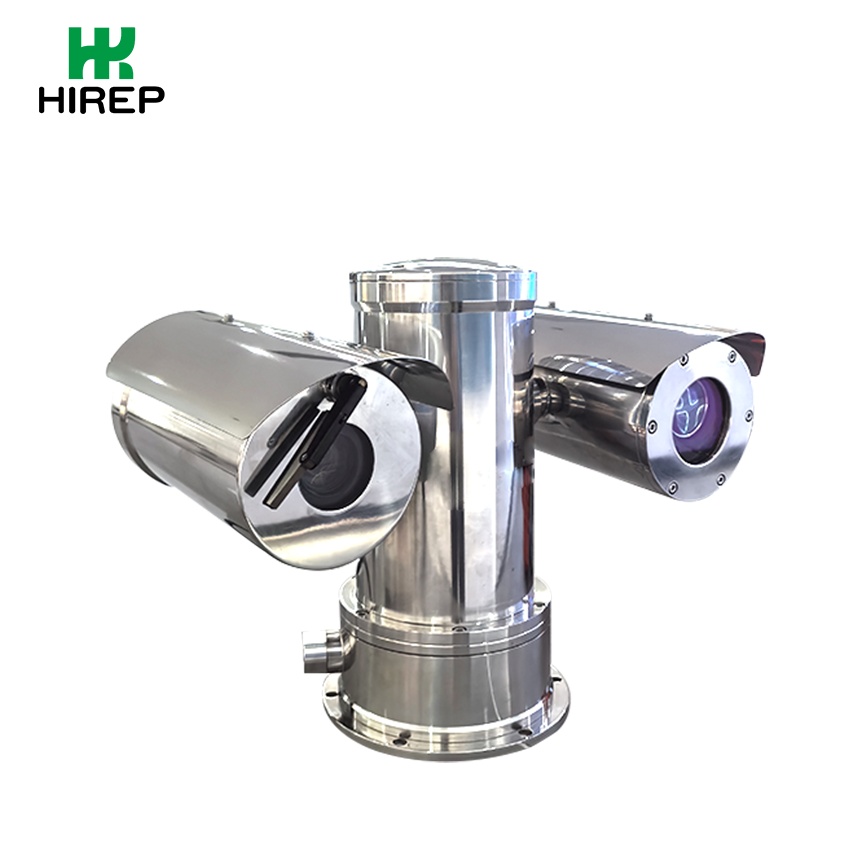
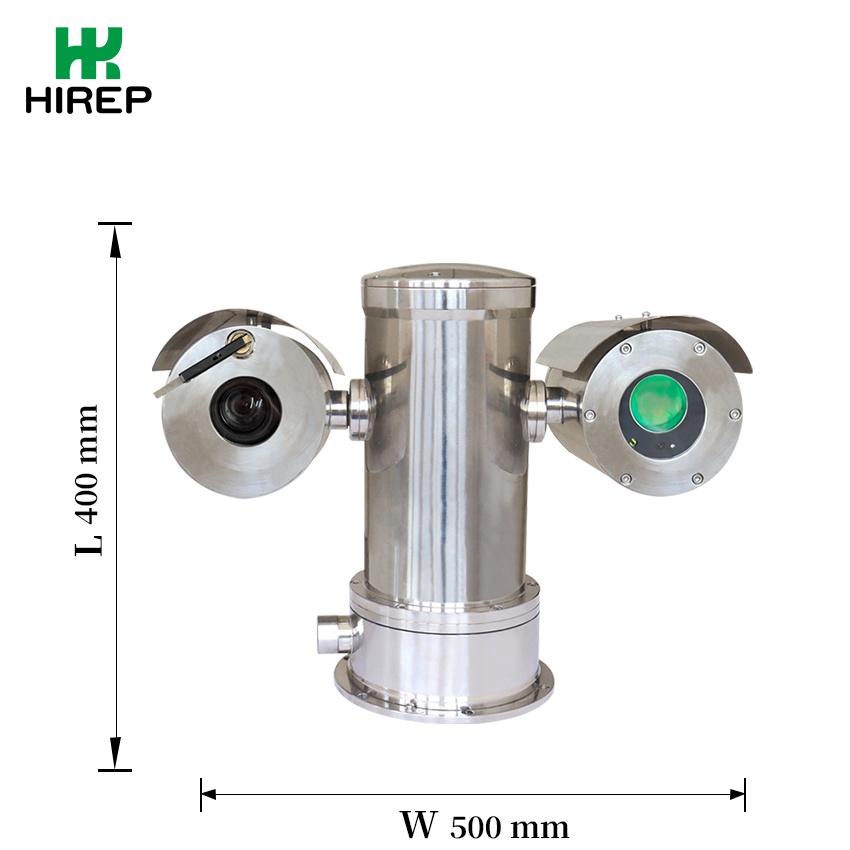
BRP-550 is made of stainless steel and has a durable industrial structure, which is suitable for long-term use in industrial field. The equipment is installed by pole, which provides a convenient installation scheme for outdoor and large-scale monitoring scenes. The size of the equipment is about 500 mm wide by 400mm long.
In terms of laser safety, the infrared detection laser of BRP-550 is Class 1, and the green indicator laser is Class 3R. With the characteristics of remote detection, PTZ scanning, quick response, high resolution and industrial communication interface, HIREP BRP-550 can provide an efficient remote methane leakage monitoring solution for industrial sites.
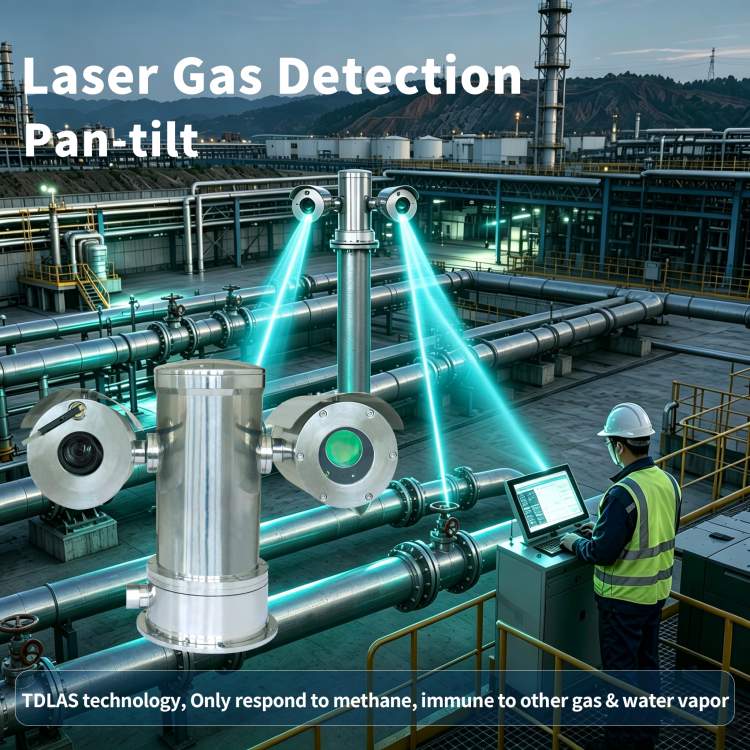
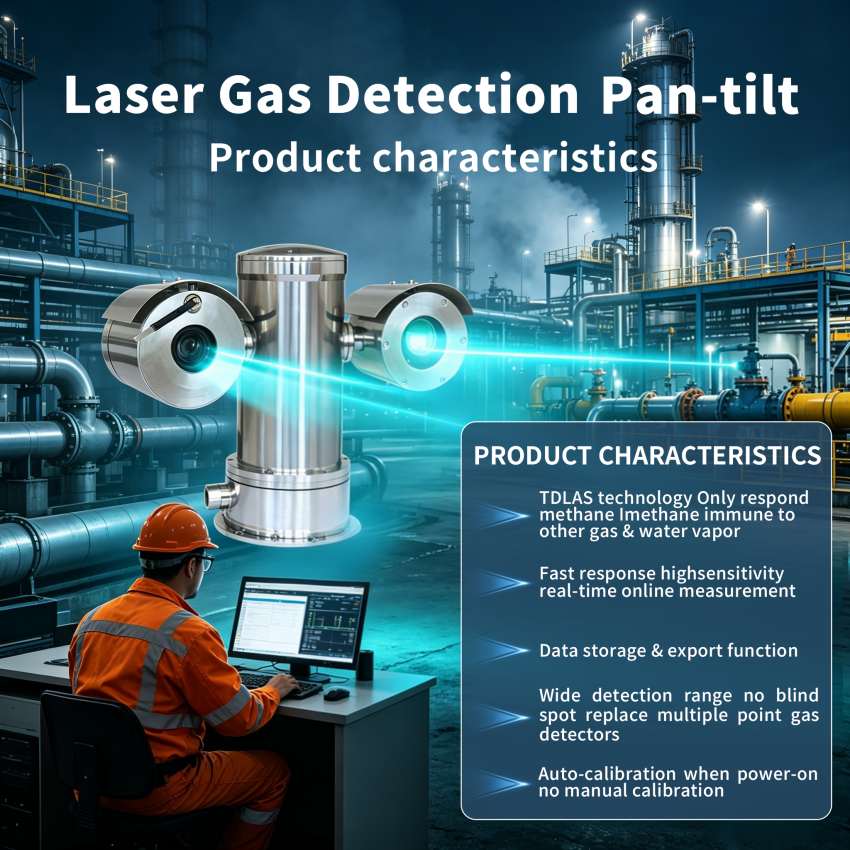
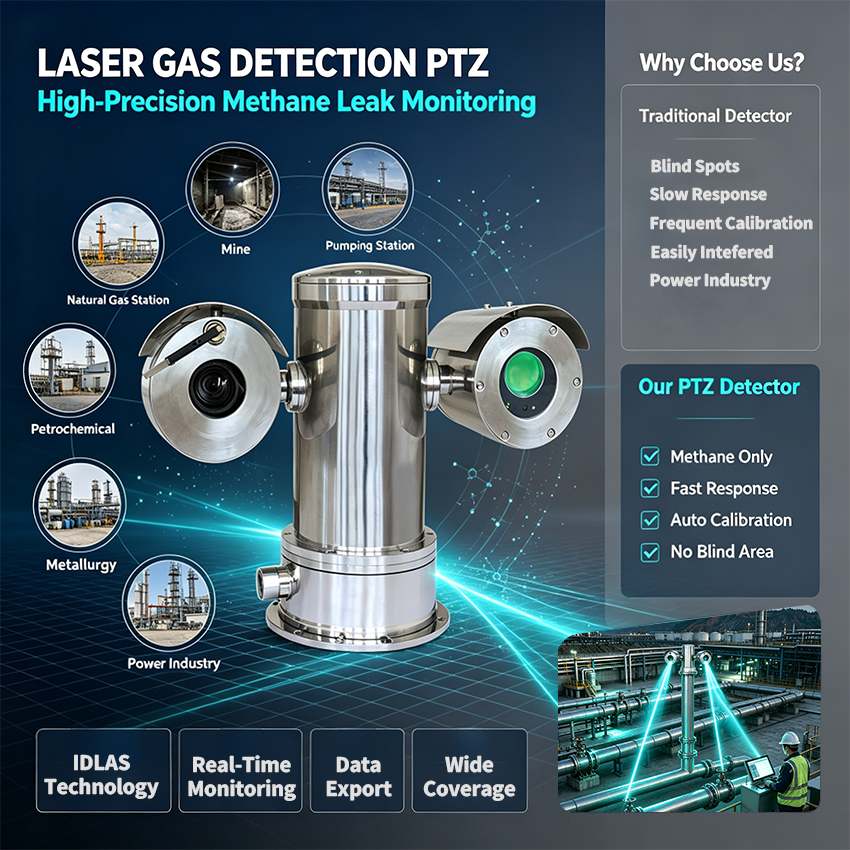
main feature
- Remote and non-contact methane leakage detection
- TDLAS laser absorption spectrum detection technology is adopted.
- Detection range: 0–100,000 ppm m.
- Resolution: 1 ppm·m
- Response time: ≤ 0.05s.
- Telemetry distance: 50m/100m/150m/300m optional.
- PTZ scanning: horizontal 360/pitch 90.
- Support RS485 and Ethernet communication interfaces.
- The methane alarm setting value is adjustable.
- Acousto-optic alarm
- Stainless steel structure
- Rod installation
- Infrared detection laser: Class 1
- Green indicator laser: Class 3R
- Suitable for safety monitoring of natural gas pipelines and industrial gases.
application area
HIREP BRP-550 can be widely used in various industrial methane monitoring scenarios, including:
- Natural gas pipeline
- Natural gas transmission and distribution facilities
- Oil and gas treatment plant
- Natural gas storage facilities
- LNG and natural gas facilities
- chemical plant
- Gas filling station
- Natural gas compression station
- Industrial gas facilities
- Large outdoor area requiring remote methane monitoring
Frequently asked questions FAQ
1. What gas can the Hirep BRP-550 detect?
BRP-550 is specially used to detect methane (CH4), which is mainly used for remote methane leakage detection in industrial environment.
2. What detection technology does BRP-550 use?
The detector adopts TDLAS (tunable semiconductor laser absorption spectrum) technology, and realizes non-contact and long-distance methane detection through laser absorption principle.
3. What is the detection range of BRP-550?
The detection range of BRP-550 is 0–100,000 ppm m, which can meet the requirements of methane leakage detection under different optical path distances.
4. What is the resolution of BRP-550?
The resolution of BRP-550 is 1 ppm·m, which can detect small methane concentration changes in the optical path range.
5. How fast is the response speed of BRP-550 in detecting methane leakage?
The response time of the equipment is ≤0.05 seconds, which can quickly identify methane leakage and send out alarm information in time.
6. What is the maximum telemetry distance of BRP-550?
The equipment provides four telemetry distance options of 50m, 100m, 150m and 300m, and the appropriate configuration can be selected according to the actual monitoring area and project requirements.
7. What does PTZ scan mean?
PTZ stands for Pan-Tilt-Zoom, which means horizontal rotation, pitch and zoom. BRP-550 adopts electric scanning structure, which can change the detection direction and scan a large area instead of just detecting a fixed direction.
8. What is the scanning range of BRP-550?
BRP-550 can cover a large monitoring area with a horizontal scanning range of 360 and a pitching scanning range of 90.
9. Can the BRP-550 be connected to the industrial monitoring system?
Sure. BRP-550 provides RS485 and Ethernet communication interfaces, which can be integrated with corresponding industrial monitoring systems, control platforms or other safety management systems.
10. Does BRP-550 have alarm function?
Yes BRP-550 supports acousto-optic alarm and adjustment of alarm setting value, and can set alarm threshold according to specific application requirements.
11. What is the installation method of BRP-550?
BRP-550 is installed by pole, which is suitable for outdoor industrial areas, natural gas pipeline facilities and large monitoring areas.
12. What is the material of BRP-550?
BRP-550 adopts stainless steel structure, which is durable and suitable for long-term use in industrial field.
13. Is BRP-550 suitable for gas pipeline leakage detection?
Fit. Methane is one of the main components of natural gas, so BRP-550 can be used for remote methane leakage monitoring around natural gas pipelines, compression stations, gas storage facilities and related natural gas infrastructure.
14. What is the laser safety level of BRP-550?
The infrared detection laser of BRP-550 is Class 1, and the green indicator laser is Class 3R. During actual installation and operation, it should be used in accordance with the applicable laser safety requirements.
15. can hirep provide OEM and ODM services for BRP-550?
Sure. HIREP supports OEM, ODM, OBM and software secondary development/reconfiguration services. According to the project requirements, we can discuss customized solutions in communication interface, monitoring application, system integration and other functions.
HIREP BRP-550 PTZ Laser Methane Detector
- Target Gas: CH4, Methane
- Accuracy Class: High Accuracy
- Alarm Mode: Sound + Light
- Material: Stainless Steel
- Warranty: 1 Year
- Customized Support: OEM, ODM, OBM, Software Reengineering
- Place of Origin: Henan, China
- Model Number: BRP-550
- Brand Name: HIREP
- Power Supply: DC 24V / AC 220V
- Detection Range: 0–100,000 ppm·m
- Detection Principle: Tunable Diode Laser Absorption Spectroscopy (TDLAS)
- Response Time: ≤ 0.05 s
- Telemetry Distance: 50m / 100m / 150m / 300m (Optional)
- Output Interface: RS485, Ethernet
- Mounting Method: Pole-Mounted
- Laser Safety Class: Infrared Detection Laser: Class 1; Green Indicator Laser: Class 3R
- Scanning Range: Horizontal ±360° / Tilt ±90°
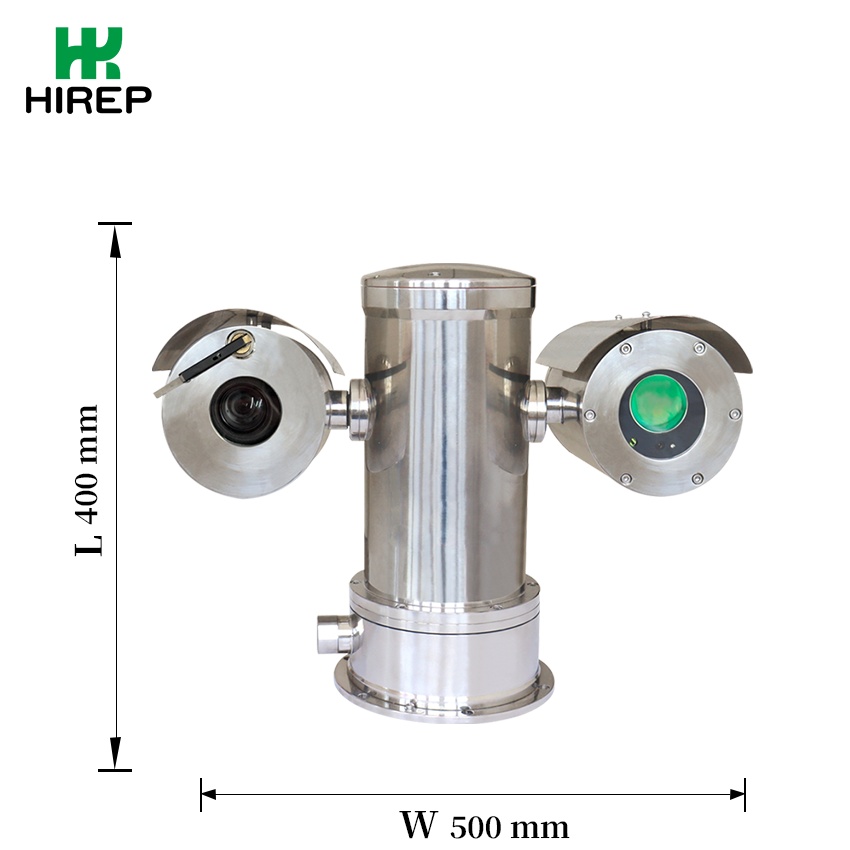
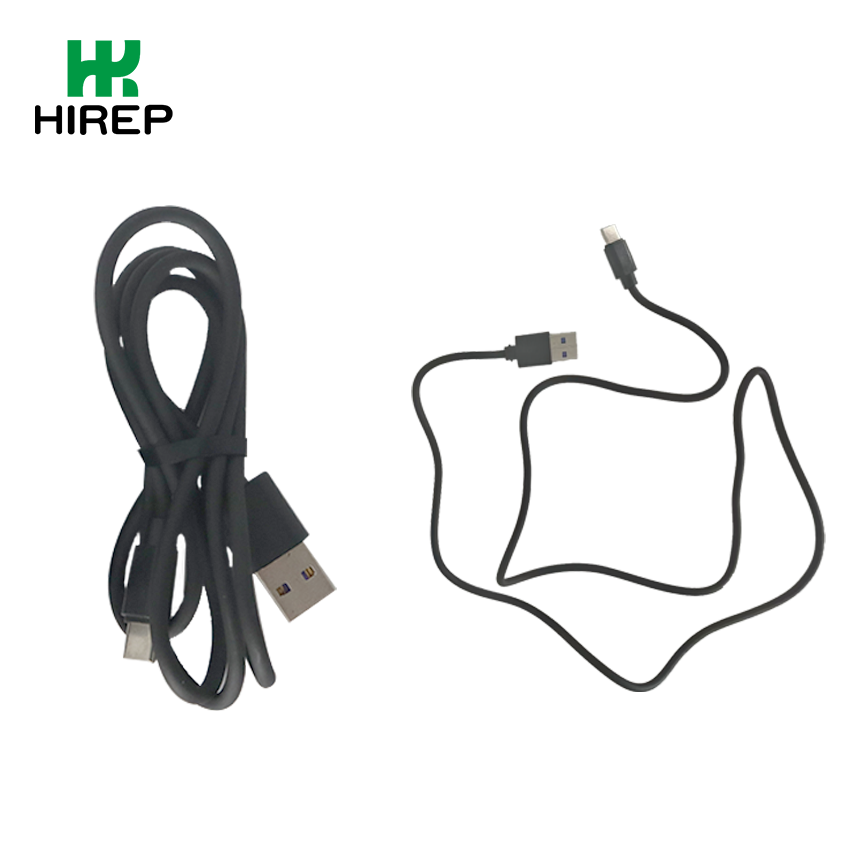
Usb cable(Standard):
This Micro USB cable features thickened copper cores and high-density nylon braiding, offering excellent resistance to bending and abrasion for long-lasting durability.
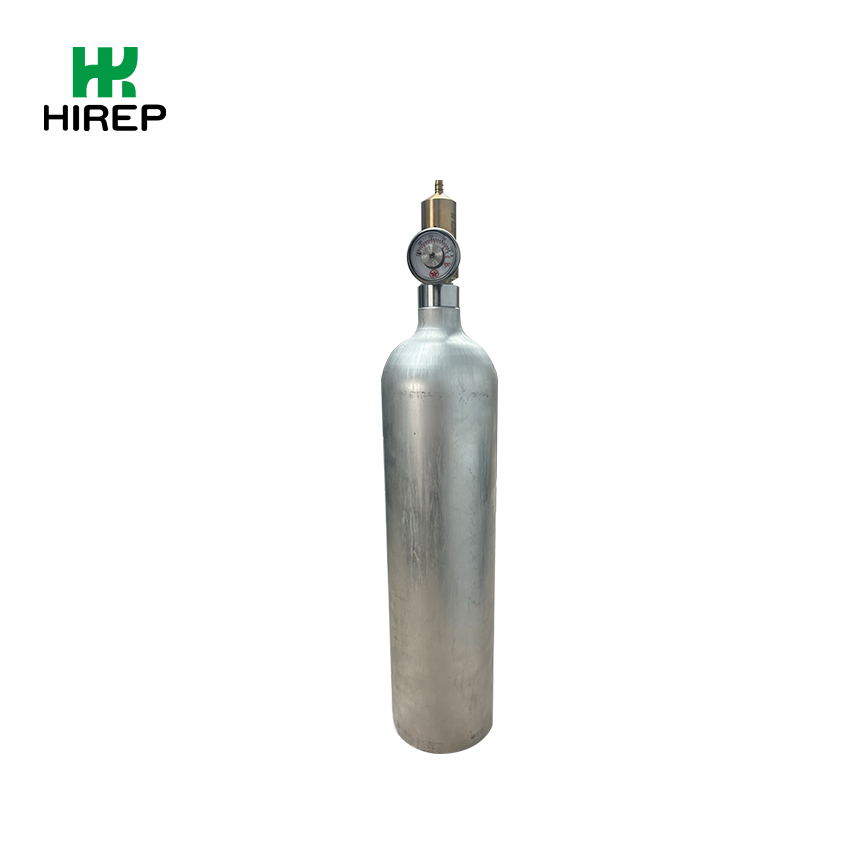
Portable Calibrator Calibration Gas Cylinder(Optional):
The high-precision standard gas supply device designed by portable gas detector is used for periodic calibration, zero correction and range verification of sensors in the field or laboratory to ensure the accuracy and reliability of long-term operation data of testing equipment.
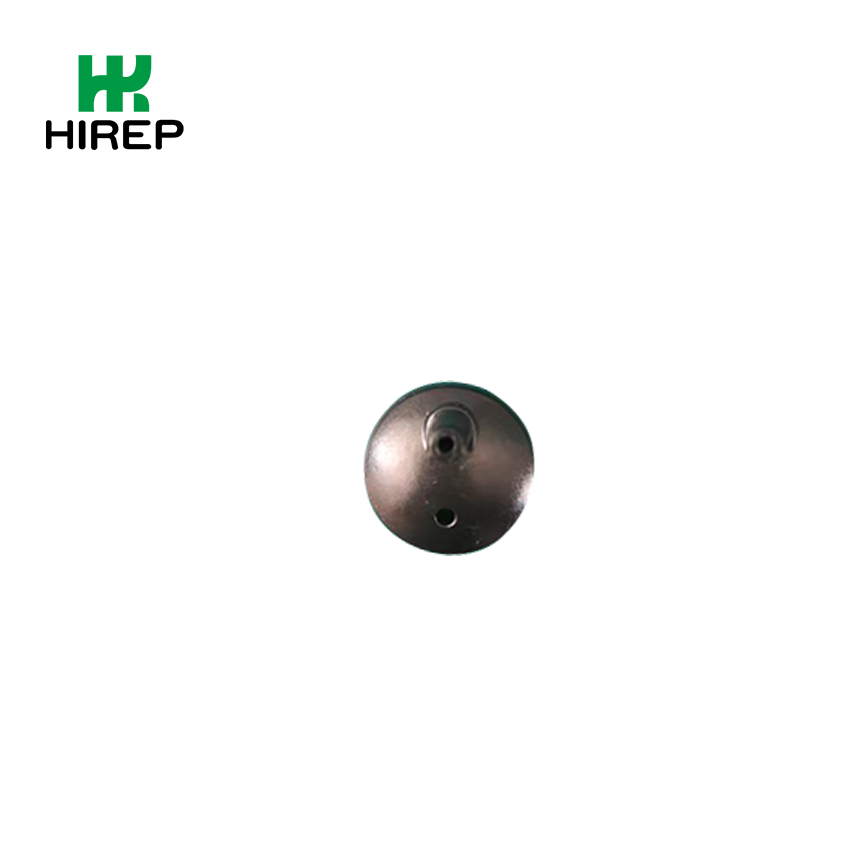
Calibration Hood(Standard):
The compact calibration cover designed by portable hand-held gas detector is used to quickly and accurately complete the zero calibration and range calibration of sensors on the equipment site. It is small, light and precise in structure, which ensures that the standard gas can cover the sensor probe efficiently and avoid the interference of ambient airflow. It is an indispensable professional accessory for daily maintenance and compliance testing.
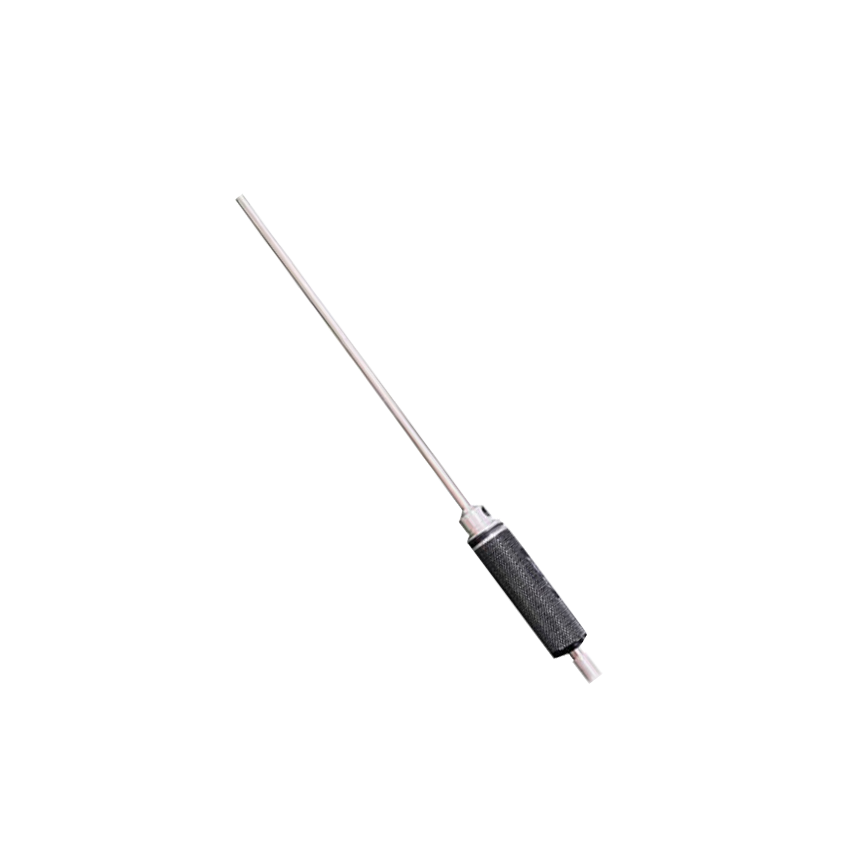
Air Sampling Probe(Optional):
The high-precision and long-distance gas sampling extension tool designed by portable hand-held gas detector is used to safely and stably extend the probe into narrow space, high place, deep well, pipeline or dangerous area for remote gas detection, which greatly improves the operation safety and detection coverage.Typically used with sampling tubes.
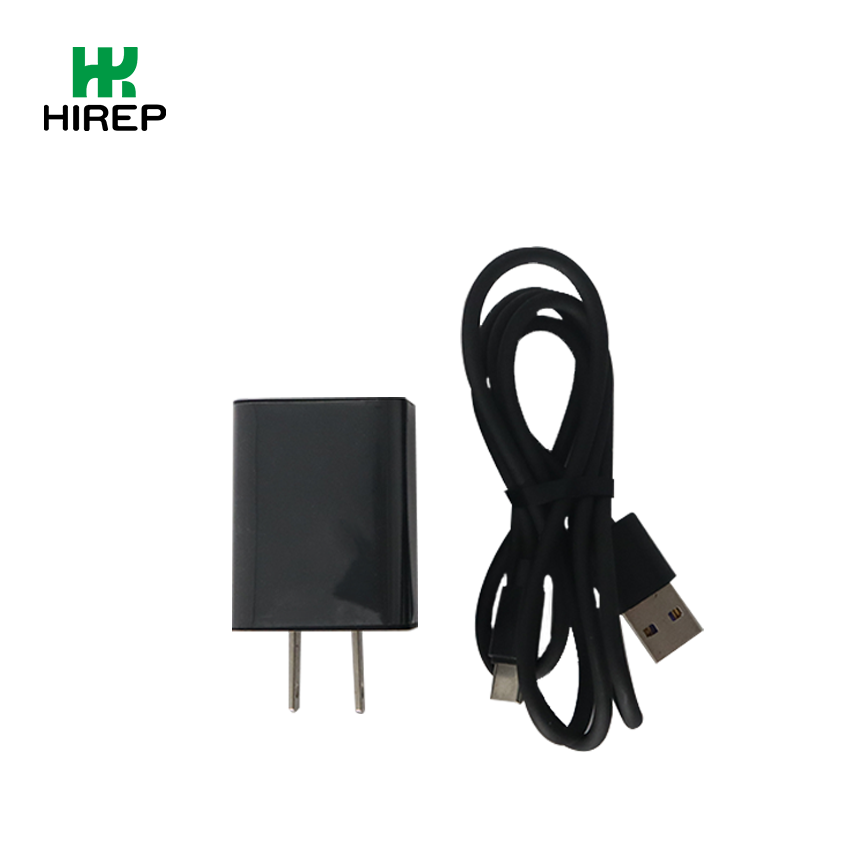
Portable Hand-held Gas Detector Charger(Standard):
The high compatibility, safe and reliable charging solution designed by portable hand-held gas detector includes a standard two-pin plug power adapter and a USB-A to Micro-USB/Type-C data cable (matched according to the equipment interface), which ensures that the equipment can quickly recover power after field inspection, factory duty or emergency tasks, and ensures continuous and stable operation.
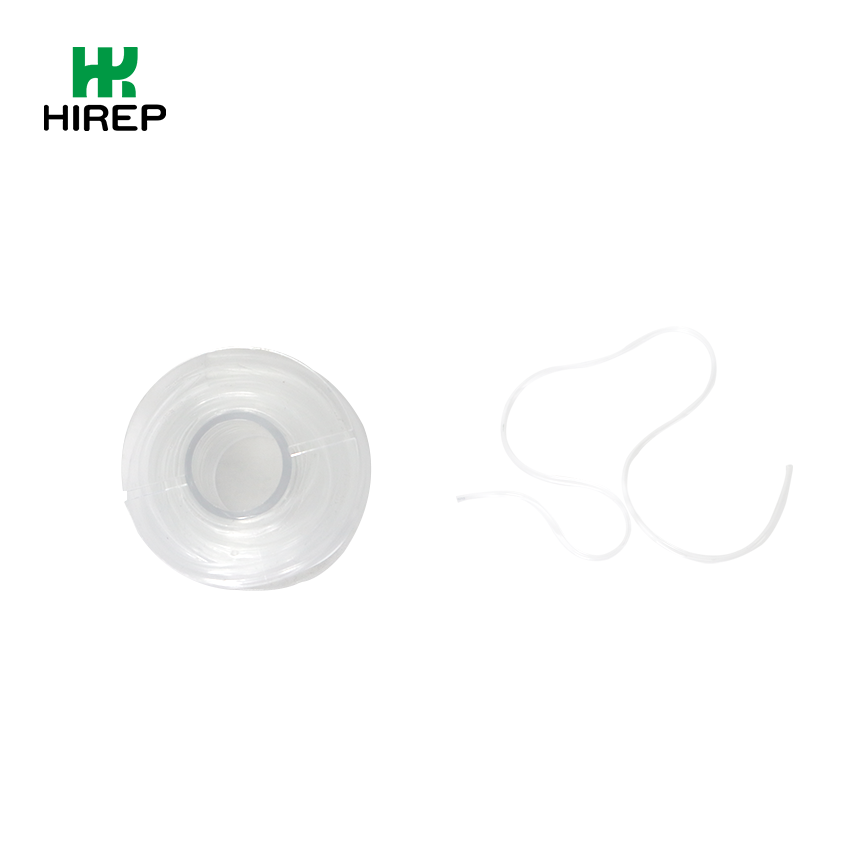
Extended Sampling Tube(Optional):
The portable hand-held or pumping gas detector is designed with a high flexibility and corrosion resistance to extend the sampling catheter, which is used to extend the gas inlet of the equipment to the detection points that are difficult to directly contact, such as the depth of the pipeline, the equipment interlayer, the high vent, the inside of the closed container, etc., so as to realize "remote accurate sampling" and greatly improve the detection coverage and operation safety.
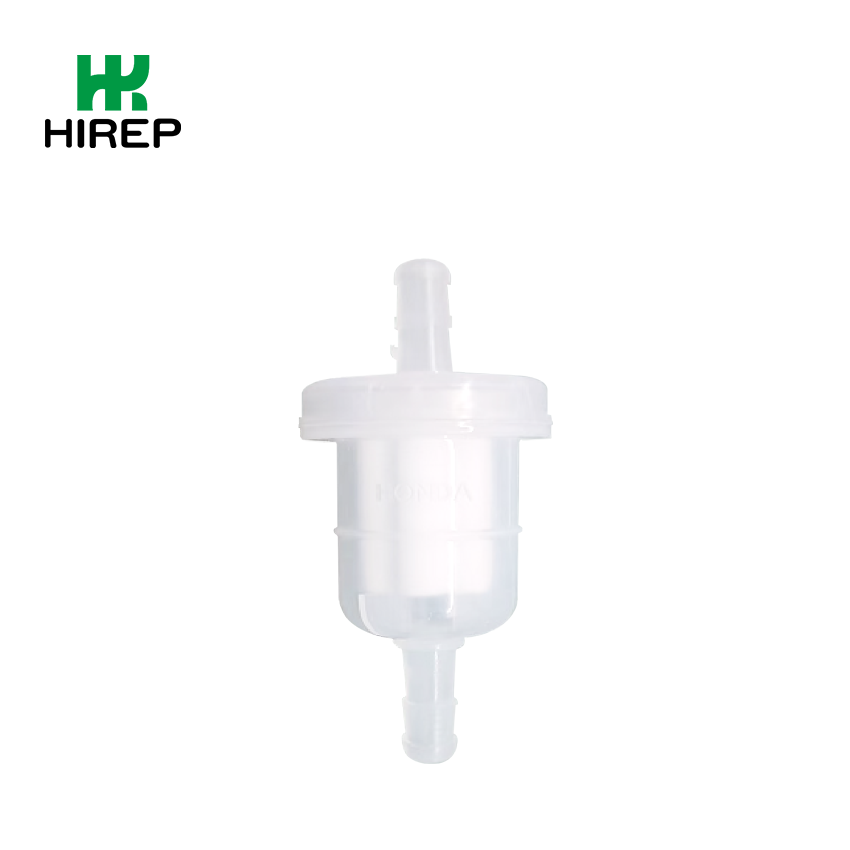
Water Vapor and Dust Filter(Optional):
Blocks solid particles from entering the detector's gas path, preventing blockage and avoiding particle adhesion to the sensor surface, which could cause sensor poisoning, decreased sensitivity, slowed response, or even permanent failure. It also avoids physical interference from dust, ensuring the sensor only contacts the measured gas, thus guaranteeing measurement accuracy.
| Name | Chemical Formula | Lower Explosive Limit(Volume Fraction)in Air%VOL|Lower Limit | Serial No | Name | Chemical Formula | Lower Explosive Limit(Volume Fraction)in Air%VOL|Lower Limit | |
| 1 | Ethane | C₂H₆ | 3.0 | 49 | Cyclohexane | CH₂ (CH₂)₄CH₂ | 1.2 |
| 2 | Ethanol | C₂H₅OH | 3.4 | 50 | Cyclohexanol | CH₂ (CH₂)₃CHOHCH₂ | 1.2 |
| 3 | Ethylene | C₂H₄ | 2.8 | 51 | Cyclohexanone | CH₂ (CH₂)₃COCH₂ | 2.8 |
| 4 | Hydrogen | H₂ | 4.0 | 52 | Cyclopropane | CH₂CH₂CH₂ | 2.4 |
| 5 | Methane | CH₄ | 5.0 | 53 | Decane | C₁₀H₁8 | 0.7 |
| 6 | Methanol | CH₃OH | 5.5 | 54 | Cyclohexene | CH₂ (CH₂)₃CHCHCH₂ | 1.2 |
| 7 | Acetylene | C₂H₂ | 2.5 | 55 | Diacetone Alcohol | (CH₃)₂COHCH₂COCH₃ | 1.8 |
| 8 | Propanol | C₃H₇OH | 2.5 | 56 | Di-n-butyl Ether | C₄H₉OC₄H₉ | 0.9 |
| 9 | Propane | C₃H₈ | 2.2 | 57 | Dichlorobenzene | (C₆H₄)Cl₂ | 2.2 |
| 10 | Propylene | C₃H₆ | 2.4 | 58 | Diethylamine | (C₂H₅)₂NH | 1.7 |
| 11 | Toluene | C₆H₅CH₃ | 1.2 | 59 | Dimethylamine | (CH₃)₂NH | 2.8 |
| 12 | Xylene | C₆H₄ (CH₃)₂ | 1.0 | 60 | Dimethylaniline | (CH₃)₂C₆H₃NH₂ | 1.2 |
| 13 | Dichloromethane | C₂H₄Cl₂ | 5.6 | 61 | Dicyclohexylamine | (CH₂)₄O₂ | 1.9 |
| 14 | Dichloroethylene | C₂H₂Cl₂ | 6.5 | 62 | Ethylene Oxide | OCH₂CH₂CH₂ | 1.9 |
| 15 | Dichloropropane | C₃H₆Cl₂ | 3.4 | 63 | Diethyl Ether | C₂H₅OC₂H₅ | 1.8 |
| 16 | Diethyl Ether | C₂H₅OC₂H₅ | 1.7 | 64 | Ethyl Acetate | CH₃COOC₂H₅ | 2.1 |
| 17 | Dimethyl Ether | CH₃OCH₃ | 3.0 | 65 | Ethyl Acrylate | CH₂CHCO₂C₂H₅ | 1.7 |
| 18 | Formaldehyde | CH₂OCH | 4.0 | 66 | Styrene | C₆H₅C₂H₃ | 1.0 |
| 19 | Acetic Acid | CH₃COOH | 4.0 | 67 | Ethylene Oxide | CH₂CH₂O | 2.6 |
| 20 | Acetone | CH₃COCH₃ | 2.3 | 68 | Ethanethiol | C₂H₅SH | 2.3 |
| 21 | Acetyl Chloride | (CH₃CO)₂CH₂ | 1.7 | 69 | Ethyl Mercaptan | C₂H₅SCH₃ | 2.0 |
| 22 | Chloroform | CH₃COCl | 5.0 | 70 | Methyl Ethyl Ketone | C₃H₇COCH₃ | 1.8 |
| 23 | Acrylonitrile | CH₂CHCN | 2.8 | 71 | Ethylamine | C₂H₅NH₂ | 3.5 |
| 24 | Allyl Chloride | CH₂CHCH₂Cl | 3.2 | 72 | Gasoline | — | 0.9 |
| 25 | Methylacetylene | CH₃CCH | 1.7 | 73 | Kerosene | — | 0.7 |
| 26 | Amyl Acetate | CH₃CO₂C₅H₁1 | 1.0 | 74 | Turpentine | — | 1.8 |
| 27 | Aniline | C₆H₅NH₂ | 1.2 | 75 | Nitrobenzene | C₆H₅NO₂ | 1.8 |
| 28 | Benzene | C₆H₆ | 1.2 | 76 | Nitromethane | CH₃NO₂ | 7.1 |
| 29 | Benzaldehyde | C₆H₅CHO | 1.4 | 77 | Phenol | C₆H₅OH | 1.3 |
| 30 | Benzyl Chloride | C₆H₅CH₂Cl | 1.1 | 78 | Phenylacetylene | C₆H₅C₂H | 1.1 |
| 31 | Bromobenzene | C₆H₅CH₂Br | 2.5 | 79 | Ethylbenzene | C₆H₄C₂H₅ | 1.0 |
| 32 | Bromoethane | CH₃CH₂Br | 6.7 | 80 | Methyl Formate | HCOOC₂H₅ | 2.7 |
| 33 | Butadiene | CH₂CHCHCH₂ | 2.0 | 81 | p-Dioxane | C₄H₈O₂ | 2.0 |
| 34 | Butane | C₄H₁0 | 1.9 | 82 | Isobutane | i-C₄H₁0 | 1.8 |
| 35 | Butanol | C₄H₉OH | 1.8 | 83 | Naphthalene | C₁₀H₈ | 1.9 |
| 36 | Butylene | C₄H₈ | 1.6 | 84 | Nonane | CH₃ (CH₂)₇CH₃ | 0.7 |
| 37 | Butyraldehyde | C₃H₇CHO | 1.4 | 85 | Nonanol | CH₃ (CH₂)₇CH₂OH | 0.8 |
| 38 | Butyl Butyrate | C₃H₇COOC₄H₉ | 1.2 | 86 | Valeraldehyde | C₆H₁₀0 | 1.2 |
| 39 | Butyl Methyl Ketone | C₄H₉COCH₃ | 1.2 | 87 | Pentane | C₅H₁2 | 1.4 |
| 40 | Carbon Disulfide | CS₂ | 1.0 | 88 | Pentanol | C₅H₁₁OH | 1.2 |
| 41 | Chlorobenzene | C₆H₅Cl | 1.3 | 89 | Propylamine | C₃H₇NH₂ | 2.0 |
| 42 | Chlorobutane | C₄H₉CH₂Cl | 1.8 | 90 | Propyl Methyl Ketone | C₄H₉COCH₃ | 1.5 |
| 43 | Chloroethane | CH₃CH₂Cl | 3.8 | 91 | Pyridine | C₅H₅N | 1.7 |
| 44 | Chloroethylene | CH₂CHCl | 3.8 | 92 | Tetrahydrofuran | C₄H₈O | 2.0 |
| 45 | Chloromethane | CH₃Cl | 8.1 | 93 | Tetrahydrofurfuryl | C₅H₁₀O₂ | 1.5 |
| 46 | 2-Chloropropane | CH₃CHCICH₃ | 2.6 | 94 | Triethylamine | (C₂H₅)₃N | 1.2 |
| 47 | Cresol | C₆H₄OH | 1.1 | 95 | Trimethylamine | (CH₃)₃N | 2.0 |
| 48 | Cyclobutane | CH₂CH₂CH₂CH₂ | 1.8 | 96 | Trioxane | (CH₂O)₃ | 3.0 |
Send Message
Just drop us a line, call, or fill out the form. Our team will provide you with transparent pricing, detailed technical data sheets,very feasible solution, and genuine after-sales support—no hidden costs, no empty promises.