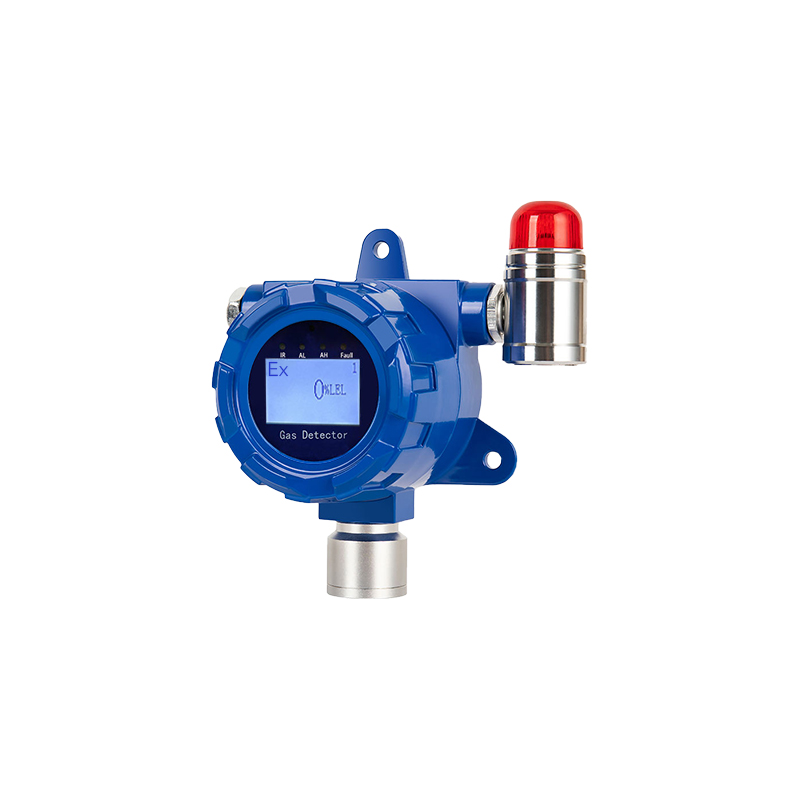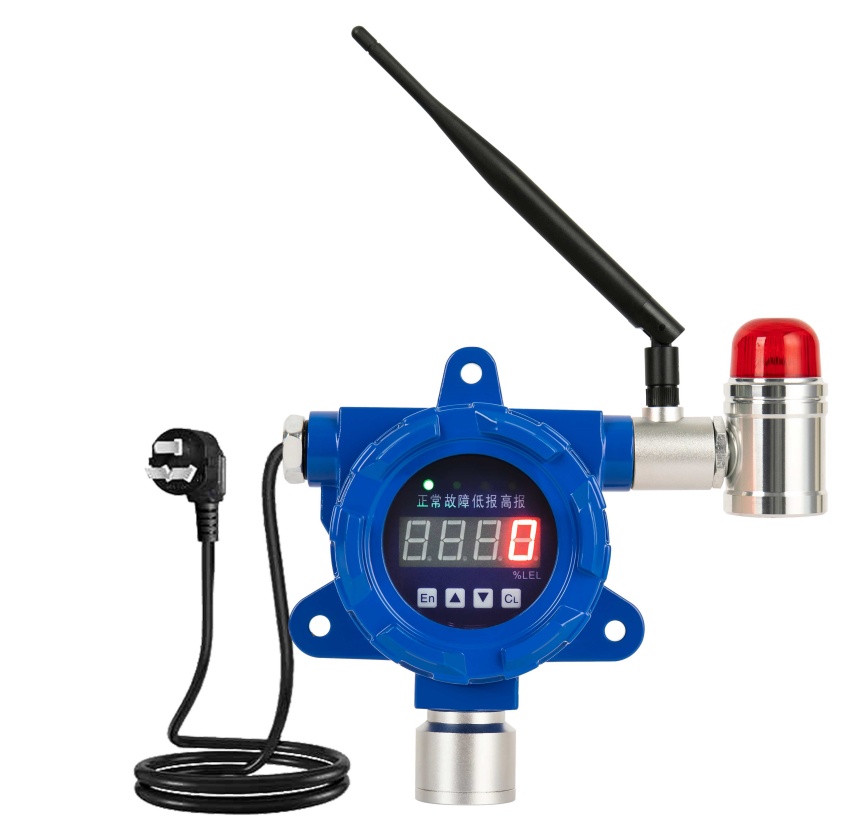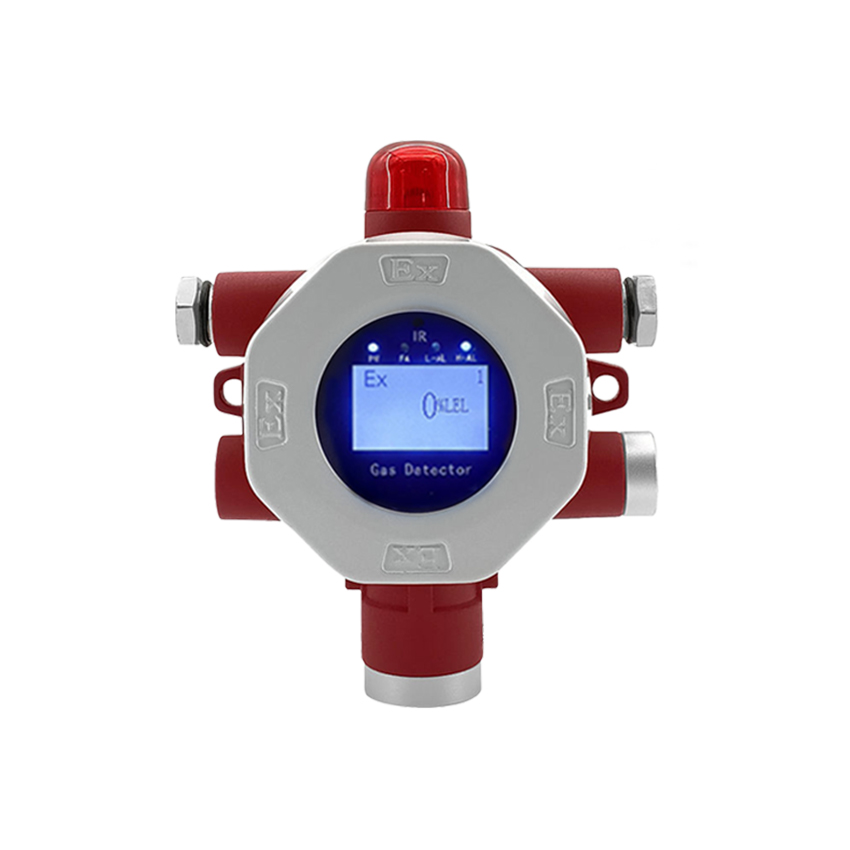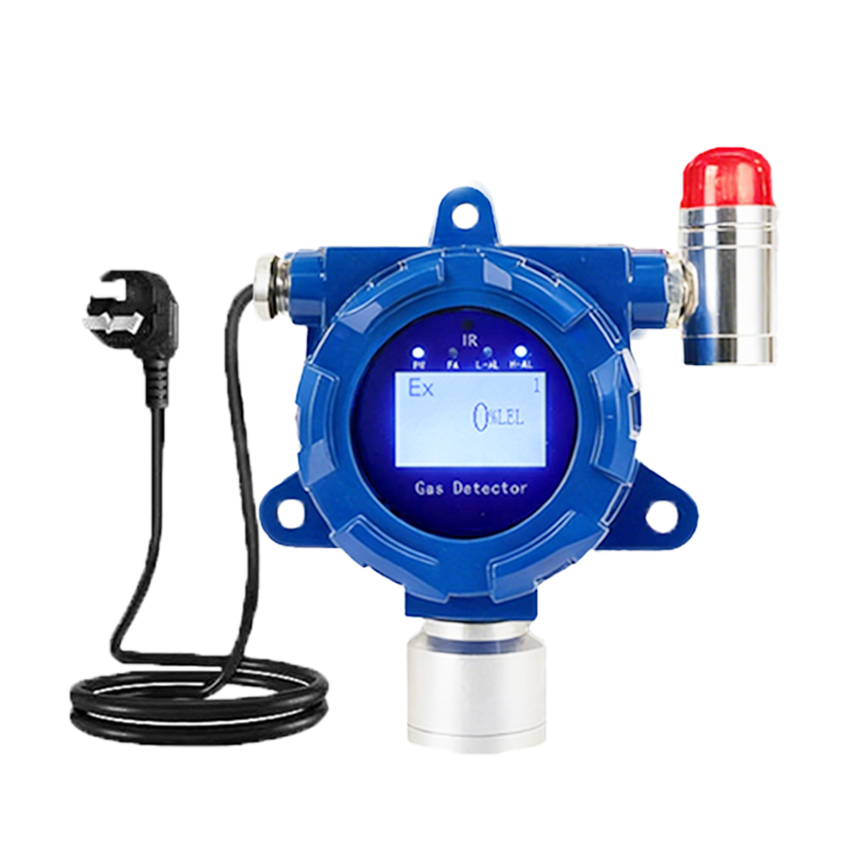
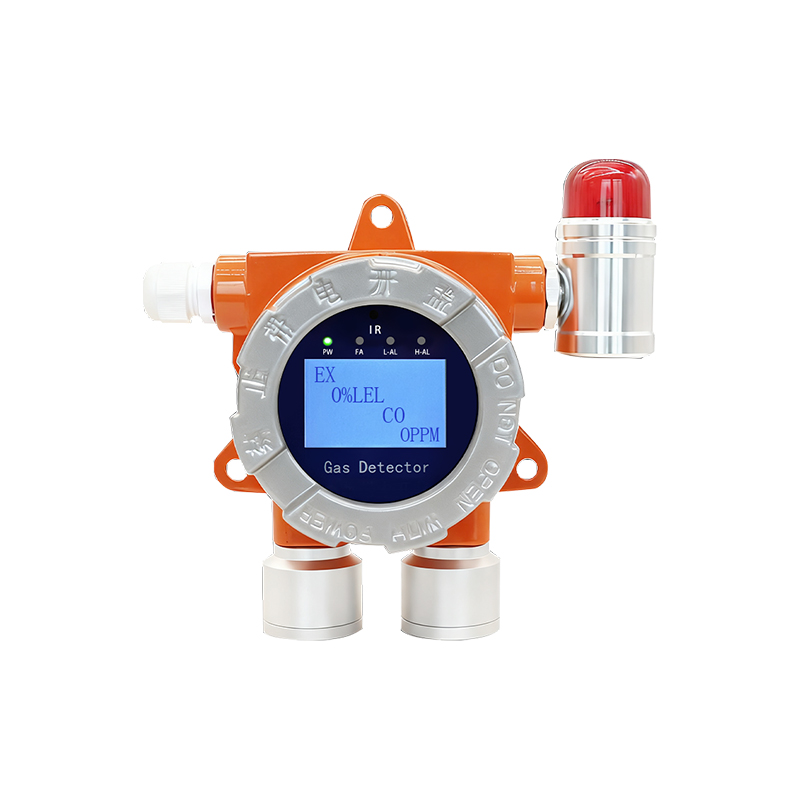
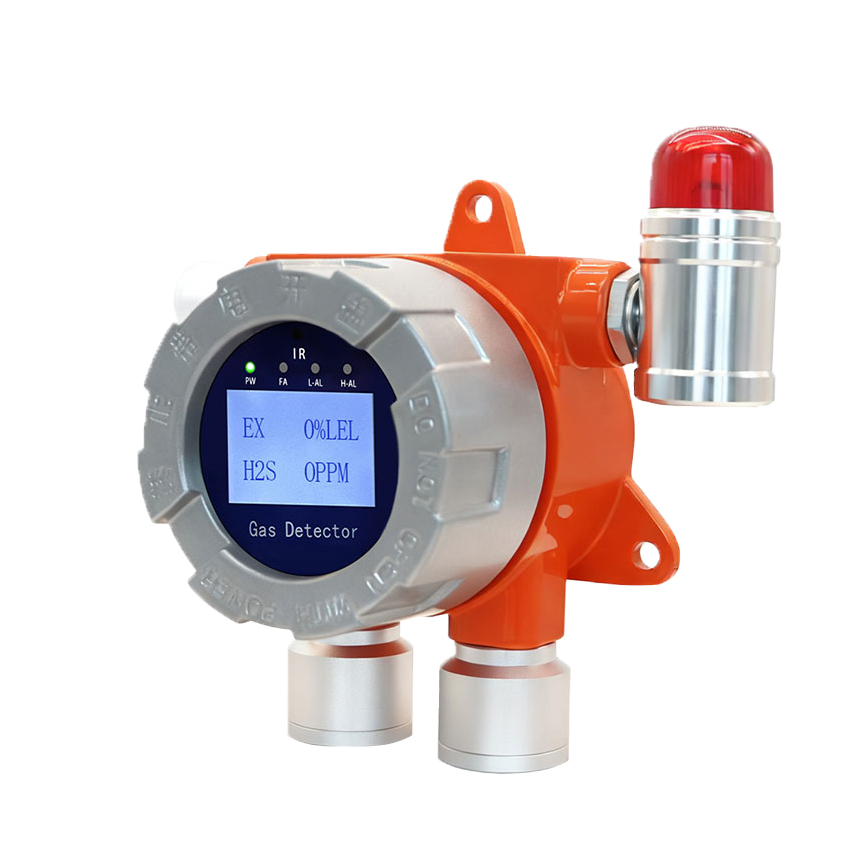
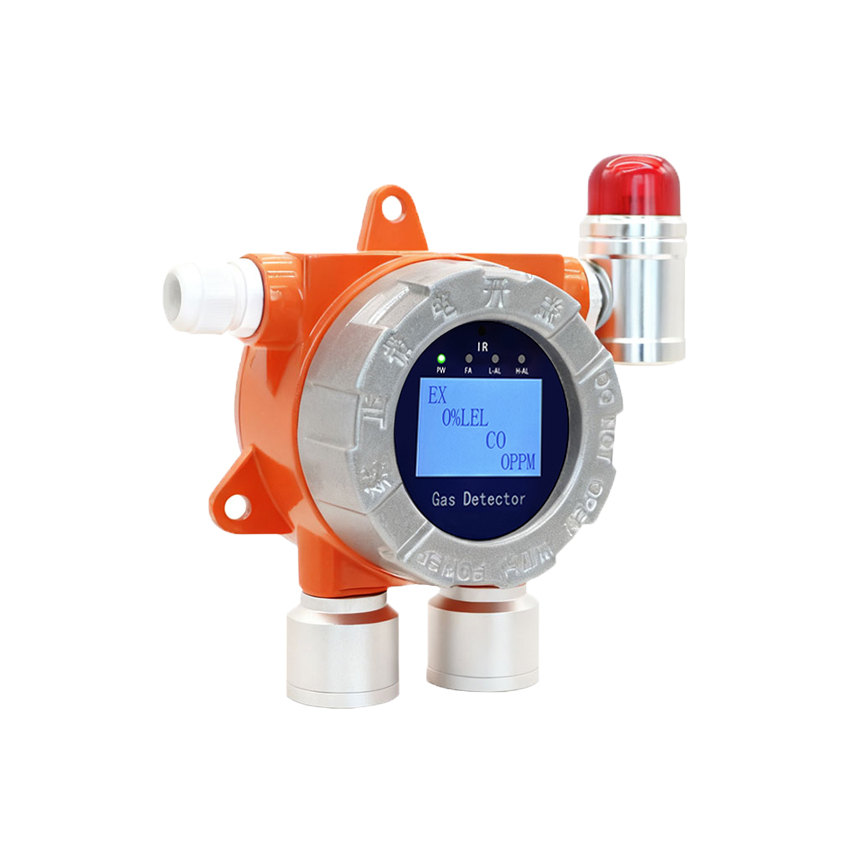
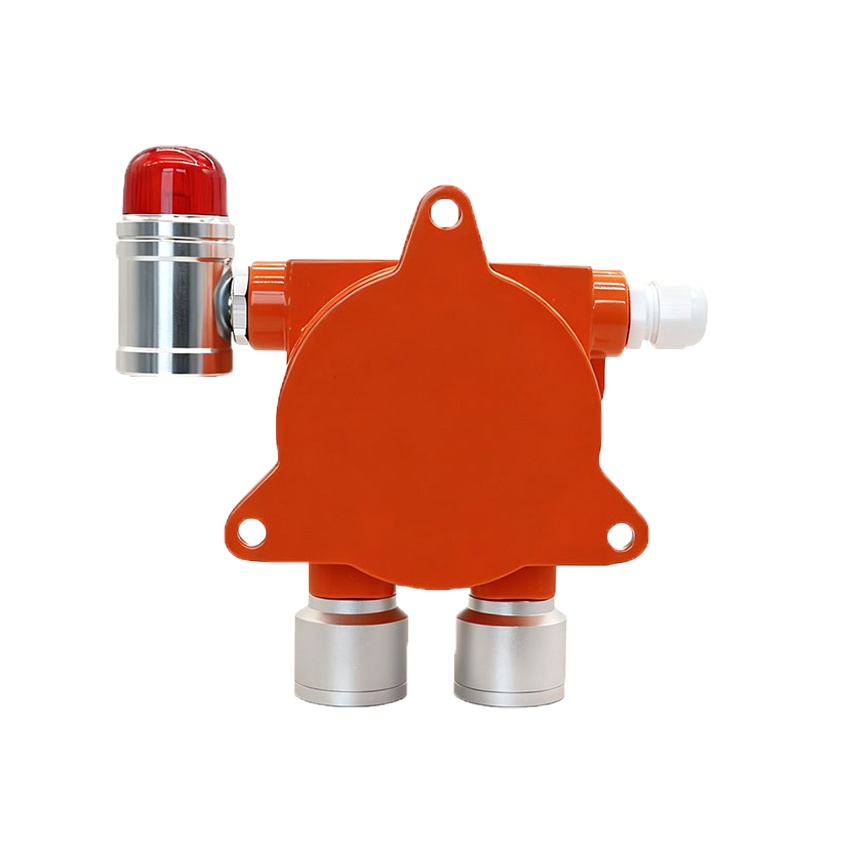
Fixed Dual-Gas Detector HRP-T2000-F
This industrial-grade fixed gas monitoring device features dual independent sensors and is designed specifically for high-risk scenarios where multiple gases coexist. It enables 24-hour synchronous and accurate monitoring, tiered early warning, and centralized management of the two gases, reducing protection costs and deployment difficulties in multi-gas scenarios.


-
High precision
-
Global Shipping
-
Customized
-
24*7 support
-
OEM/ODM
- Features
- Parameters
- Accessories
- Gases and Ranges
The fixed dual-gas detector is an industrial-grade safety monitoring device that integrates "independent detection by dual sensors and an integrated body design". It is tailored for high-risk industries where multiple gases coexist. It solves the core pain points of traditional single-gas detectors, such as "repeated installation, complex wiring, and high cost in multi-gas scenarios". It enables 24-hour synchronous and accurate monitoring, hierarchical early warning and centralized management of two gases, and is an efficient solution for multi-gas composite risk protection in industrial sites.
1.Intuitive and visual status: the screen is intelligently switched by red and green colors (normal white/green, alarm red), and the on-site safety status can be instantly judged by color without approaching.
2.Permanent retention of data: High-end models support cyclic storage of dozens of historical alarm records, which is convenient for tracing the time and peak value of faults through the screen.
3.Remote and convenient operation: infrared remote control or magnetic wand operation is supported, and silencing, resetting or parameter setting can be completed in front of the screen without opening the cover, thus ensuring operation safety.
4.Adapt to extreme environment: the screen surface is usually designed with high-strength tempered glass and IP67 seal, which is dustproof, waterproof and corrosion-resistant, and can still be clearly displayed under harsh working conditions.
5.Assist field decision-making: the screen displays the unit, measuring range and sensor life prompt in real time, which helps the inspection personnel to quickly evaluate the health status and detection accuracy of the equipment.
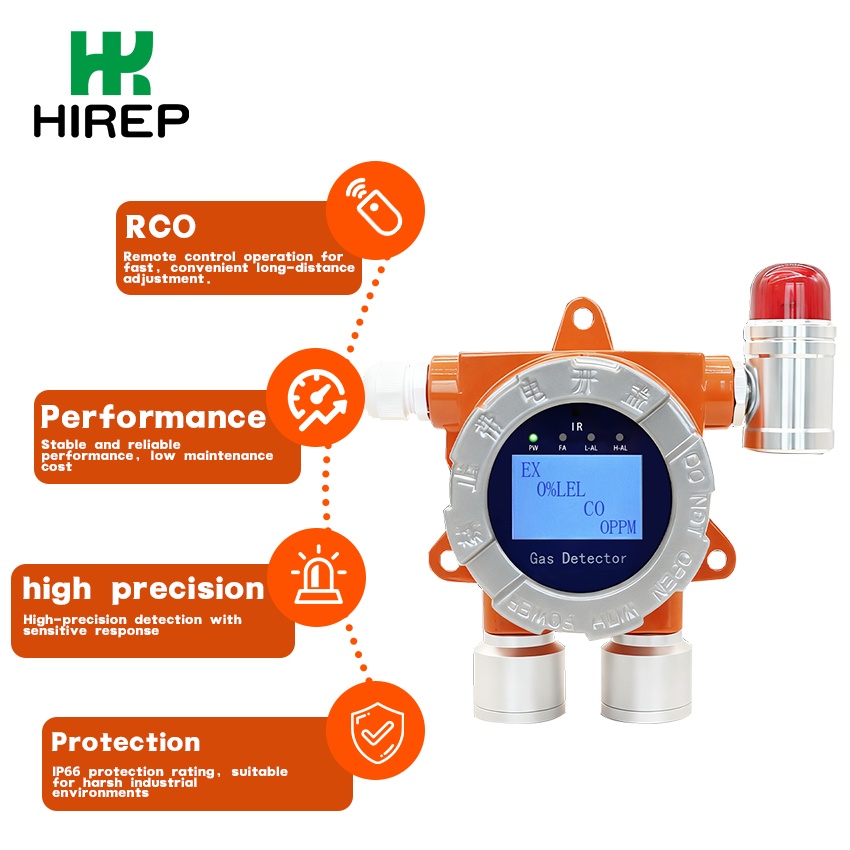
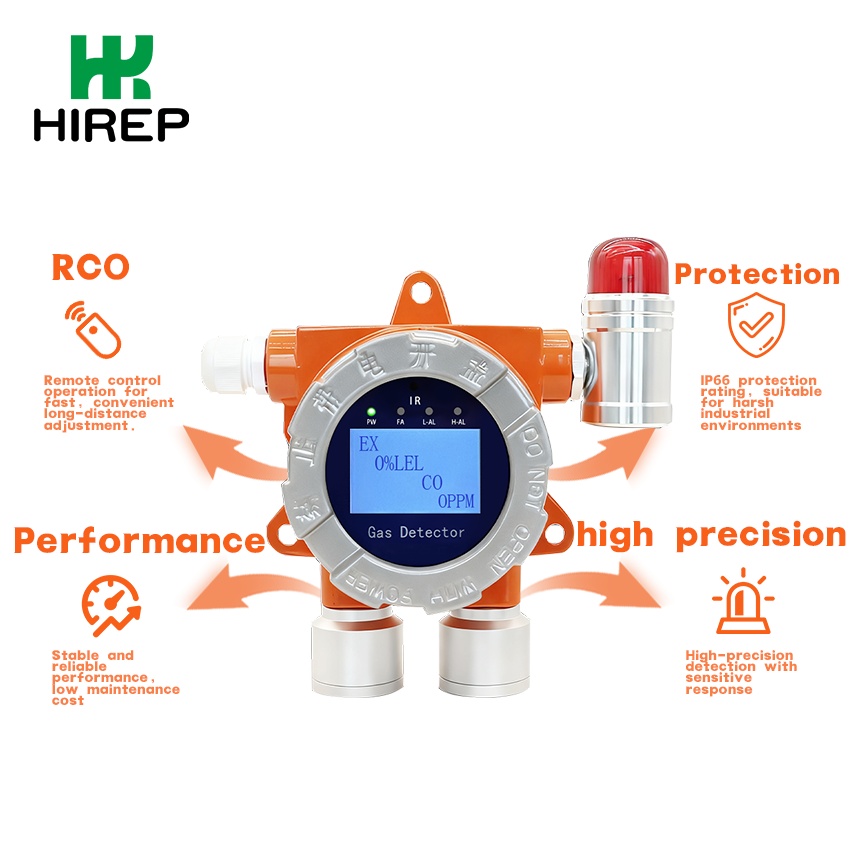
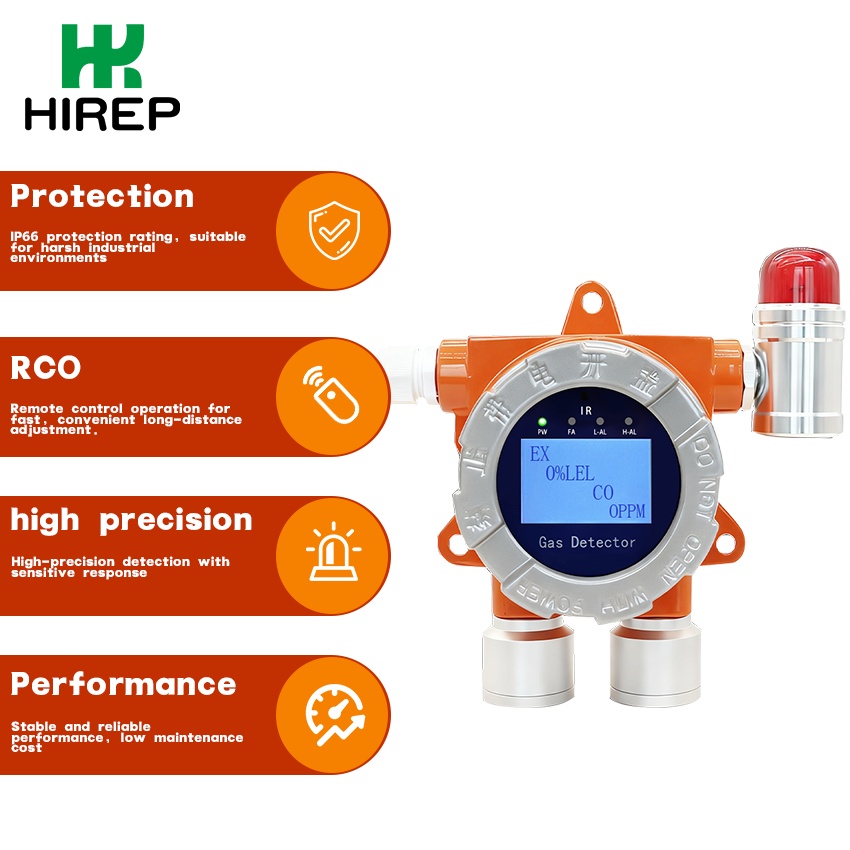
Fixed Double Gas Detector HRP-T2000-F FAQ
1. What is HRP-T2000-F fixed dual gas detector?
HRP-T2000-F is a fixed dual-gas detection equipment specially designed for industrial environment, which is used to continuously monitor the concentration of two target gases on site.
The equipment integrates high-precision gas sensor, LCD display screen, acousto-optic alarm device and signal output interface, which can display the change of gas concentration in real time and give an alarm in time when the gas reaches the preset alarm value, providing continuous safety monitoring guarantee for industrial site.
2. What gases can HRP-T2000-F detect?
HRP-T2000-F supports simultaneous detection of two gases, and can configure different gas combinations according to different industrial application requirements.
Common detection combinations include:
- CH (methane)+CO (carbon monoxide)
- EX (combustible gas)+H₂S (hydrogen sulfide)
- EX (combustible gas)+O₂ (oxygen)
- CO (carbon monoxide)+H₂S (hydrogen sulfide)
Users can choose the corresponding sensor combination according to the site risk requirements.
3. What is the difference between a dual gas detector and a single gas detector?
A single gas detector can only monitor one gas, while a dual gas detector can detect two different types of gases at the same time.
Advantages of HRP-T2000-F:
- Simultaneously monitor that risks of two gas.
- Reduce the number of equipment installations.
- Save installation space and cost.
- Provide more comprehensive safety monitoring.
It is especially suitable for complex industrial environment with various gas leakage risks.
4. Where can HRP-T2000-F be installed?
HRP-T2000-F is widely used in various industrial scenes, such as:
- Chemical plant
- Oil and gas industry
- Tank area
- Gas station
- Mine
- Sewage treatment plant
- Boiler room
- Industrial production workshop
It is usually installed at the location where gas leakage or gas accumulation may occur to realize 24-hour online monitoring.
5. What is the working principle of HRP-T2000-F?
HRP-T2000-F continuously collects ambient air through the built-in gas sensor, and detects the target gas concentration.
Workflow:
- Ambient gas enters the detection cavity.
- The sensor detects the change of gas concentration.
- The main control chip processes data.
- The LCD displays the test results in real time.
- Start acousto-optic alarm after reaching the alarm value.
- Data is transmitted to the control system through the communication interface.
6. Does HRP-T2000-F have alarm function?
Yes.
HRP-T2000-F integration:
- Audible alarm
- LED lighting alarm
- High and low limit alarm settings
- External alarm output
When the detected gas concentration exceeds the set alarm value, the equipment will immediately send an alarm signal to help the staff take timely measures.
7. What information is displayed on the LCD screen of HRP-T2000-F?
The LCD screen can display in real time:
- Detecting gas type
- Current gas concentration
- Unit of measure
- Alarm status
- Equipment operation state
Workers can directly check the gas situation on site without connecting other equipment.
8. What signal output modes does HRP-T2000-F support?
According to different configurations, HRP-T2000-F can support a variety of industrial communication modes:
- 4-20mA analog signal output
- RS485 communication
- Modbus protocol
- Relay alarm output
Convenient connection:
- Gas alarm controller
- PLC system
- DCS system
- SCADA monitoring system
Realize centralized security management.
9. Does HRP-T2000-F have explosion-proof function?
Yes.
HRP-T2000-F adopts industrial explosion-proof design, and can be equipped with corresponding explosion-proof grades according to different application environments.
Applicable to the existence of:
- Risk of combustible gas leakage
- Explosion danger area
- High risk industrial environment
Place.
10. At what height should HRP-T2000-F be installed?
The installation height needs to be determined according to the characteristics of the detection gas.
General principles:
- Gases lighter than air (such as methane): It is recommended to install in a higher position.
- Gases heavier than air (such as liquefied petroleum gas): It is recommended to install them at a lower position.
- Toxic gas: determined according to the location of the leakage source and the air flow at the site.
Correct installation position can improve detection efficiency and alarm accuracy.
11. How often does HRP-T2000-F need to be calibrated?
The calibration period depends on:
- Detecting gas type
- Working environment
- Sensor type
- Industry standard requirements
Calibration is usually recommended every 6-12 months to ensure the detection accuracy and stable operation of the equipment.
12. What kind of sensor does HRP-T2000-F use?
HRP-T2000-F can select different sensors according to the detected gas:
Catalytic combustion sensor
Used for detecting combustible gas.
Electrochemical sensor
Used to detect toxic gases.
Infrared sensor
Used for detecting some special combustible gases.
Different sensors can meet the needs of different industrial applications.
13. Can HRP-T2000-F work continuously for a long time?
Sure.
HRP-T2000-F is specially designed for industrial continuous monitoring and can support 24-hour all-weather operation.
After the equipment is fixedly installed on the site, it can continuously monitor the ambient gas concentration without manual operation, and is suitable for long-term safety protection.
14. What are the main advantages of HRP-T2000-F?
The main features include:
- Simultaneous detection of two gases
- Explosion-proof industrial design
- LCD real-time display
- Acousto-optic alarm function
- High precision sensor
- Multiple communication interfaces
- 24-hour online monitoring
- Support system integration
15. Why choose HRP-T2000-F instead of installing two single gas detectors?
Compared with two independent gas detectors, HRP-T2000-F has:
- Lower installation cost
- Less installation space
- Simpl maintenance mode
- Unified data management
- More convenient system integration
HRP-T2000-F is an efficient and safe solution for industrial sites that need to monitor the risks of two gases at the same time.
Single Gas Detec
- Detected Gases: Combustible Gas, Toxic gas
- Sampling Method: Natural Diffusion
- Detection Range: PPM, %LEL, %VOL, mg/m³
- Response Time: LEL < 30 s (T90), Toxic Gas < 60 s
- Setting Method: Button
- Power: DC 24 V ±4 V ≤ 3 W
- Output Signal: RS485
- Transmission Distance: < 1000 m
- Operating Temperature: -20℃ - +55℃
- Relative Humidity: ≤ 95% RH (Non-condensing)
- Explosion-Proof Rating: ll 2G Ex db lIC T6 Gb
- Ingress Protection: IP66
- Enclosure Material: Die-Cast Aluminum (Optional: 304 Stainless Steel)
- Dimensions: 195 x 185 x 95 mm
- Weight: < 1000 g
- Cable Entry: M20 x 1.5 or G1/2
- Mounting Method: Wall-Mounted
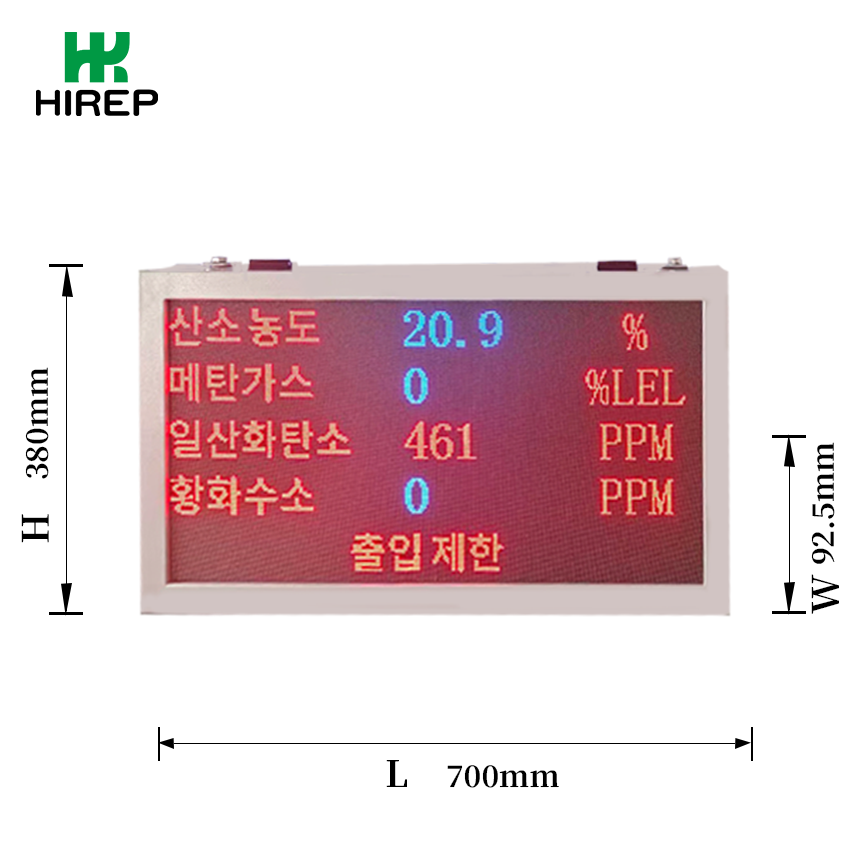
LED Display Screen(Optional, not required):
This gas concentration monitoring display screen features a dual-color display and connects to the host computer via RS485 protocol. It is primarily used to display real-time concentration data for various gases. The font colors differ between alarm and normal states. Normal state text is blue, while alarm state text is red.

Mounting Bracket(Optional selection):
High-strength metal mounting brackets are specifically designed for mounting gas monitors and actuators, and are typically used for wall-mounted installations.

Calibration Hood(Optional selection):
This is a standard calibration cover specially designed for HIREP series fixed gas detectors, which is used for fast and accurate gas concentration calibration and sensor testing on the equipment site. It has simple structure and good sealing performance, which ensures that the gas can evenly cover the sensor probe during calibration and avoid external interference.
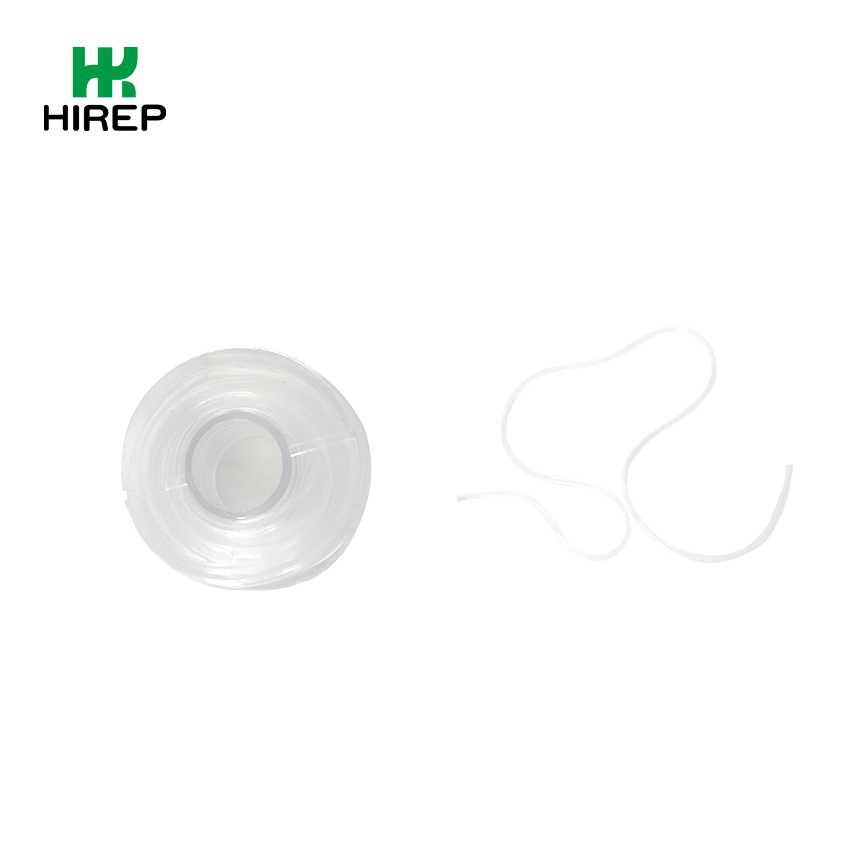
Sampling Tube(Optional):
The sampling tube is made of polytetrafluoroethylene (PTFE), which is resistant to high temperatures and corrosion. It is usually used in conjunction with an external pump to safely and stably deliver the gas to be tested in the environment to the sensor analysis unit. It is suitable for remote sampling, detection in confined spaces, or gas monitoring under complex working conditions.
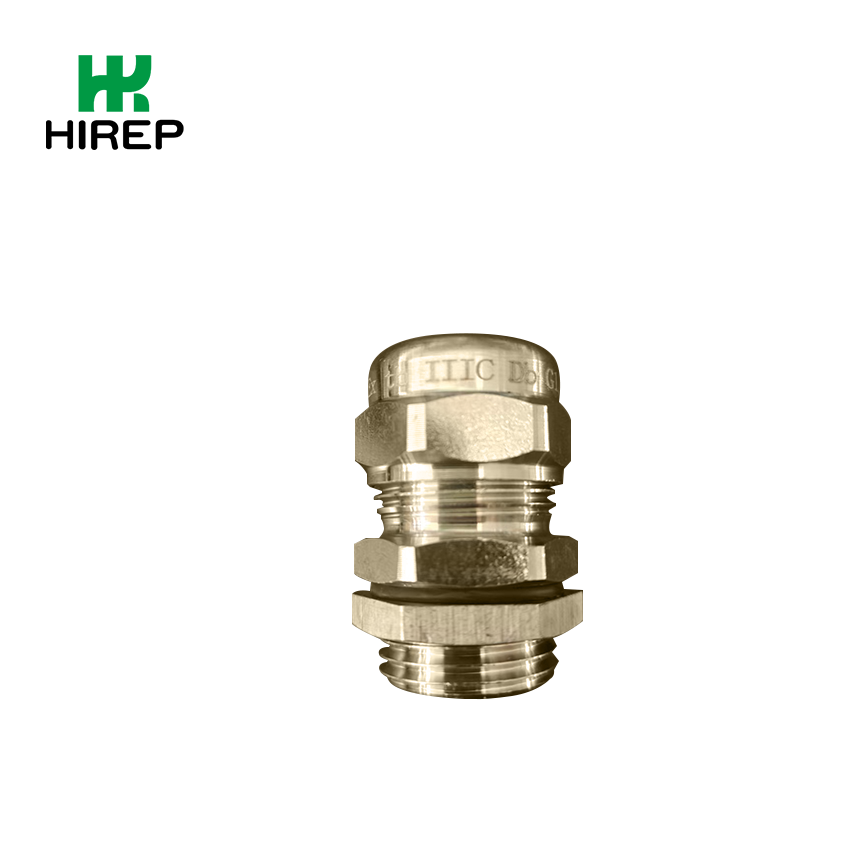
Explosion-Proof Cable Gland(Optional):
Used for the safe wiring connection of fixed gas detector, alarm host or electrical equipment in explosive environment. Its structure conforms to international explosion-proof standards, ensuring reliable sealing and electrical isolation in flammable and explosive gas environment and preventing accidents caused by sparks or high temperature.
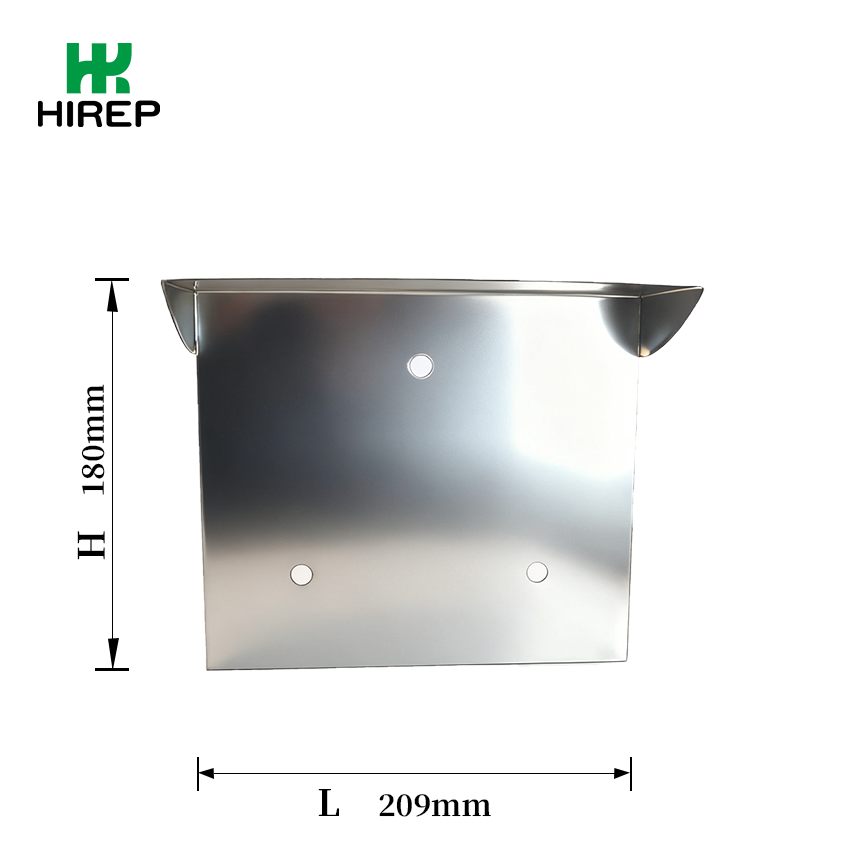
Rain cover(Optional):
Prevents rainwater, dew, and spray water from entering the detector housing, circuitry, and sensor cavity, preventing short circuits due to moisture on the circuit board, reducing rainwater corrosion, and minimizing aging damage to the detector housing and probe caused by ultraviolet radiation. Significantly improves equipment durability, especially suitable for outdoor, open-air, and factory outdoor installation scenarios.
| Name | Chemical Formula | Lower Explosive Limit(Volume Fraction)in Air%VOL|Lower Limit | Serial No | Name | Chemical Formula | Lower Explosive Limit(Volume Fraction)in Air%VOL|Lower Limit | |
| 1 | Ethane | C₂H₆ | 3.0 | 49 | Cyclohexane | CH₂ (CH₂)₄CH₂ | 1.2 |
| 2 | Ethanol | C₂H₅OH | 3.4 | 50 | Cyclohexanol | CH₂ (CH₂)₃CHOHCH₂ | 1.2 |
| 3 | Ethylene | C₂H₄ | 2.8 | 51 | Cyclohexanone | CH₂ (CH₂)₃COCH₂ | 2.8 |
| 4 | Hydrogen | H₂ | 4.0 | 52 | Cyclopropane | CH₂CH₂CH₂ | 2.4 |
| 5 | Methane | CH₄ | 5.0 | 53 | Decane | C₁₀H₁8 | 0.7 |
| 6 | Methanol | CH₃OH | 5.5 | 54 | Cyclohexene | CH₂ (CH₂)₃CHCHCH₂ | 1.2 |
| 7 | Acetylene | C₂H₂ | 2.5 | 55 | Diacetone Alcohol | (CH₃)₂COHCH₂COCH₃ | 1.8 |
| 8 | Propanol | C₃H₇OH | 2.5 | 56 | Di-n-butyl Ether | C₄H₉OC₄H₉ | 0.9 |
| 9 | Propane | C₃H₈ | 2.2 | 57 | Dichlorobenzene | (C₆H₄)Cl₂ | 2.2 |
| 10 | Propylene | C₃H₆ | 2.4 | 58 | Diethylamine | (C₂H₅)₂NH | 1.7 |
| 11 | Toluene | C₆H₅CH₃ | 1.2 | 59 | Dimethylamine | (CH₃)₂NH | 2.8 |
| 12 | Xylene | C₆H₄ (CH₃)₂ | 1.0 | 60 | Dimethylaniline | (CH₃)₂C₆H₃NH₂ | 1.2 |
| 13 | Dichloromethane | C₂H₄Cl₂ | 5.6 | 61 | Dicyclohexylamine | (CH₂)₄O₂ | 1.9 |
| 14 | Dichloroethylene | C₂H₂Cl₂ | 6.5 | 62 | Ethylene Oxide | OCH₂CH₂CH₂ | 1.9 |
| 15 | Dichloropropane | C₃H₆Cl₂ | 3.4 | 63 | Diethyl Ether | C₂H₅OC₂H₅ | 1.8 |
| 16 | Diethyl Ether | C₂H₅OC₂H₅ | 1.7 | 64 | Ethyl Acetate | CH₃COOC₂H₅ | 2.1 |
| 17 | Dimethyl Ether | CH₃OCH₃ | 3.0 | 65 | Ethyl Acrylate | CH₂CHCO₂C₂H₅ | 1.7 |
| 18 | Formaldehyde | CH₂OCH | 4.0 | 66 | Styrene | C₆H₅C₂H₃ | 1.0 |
| 19 | Acetic Acid | CH₃COOH | 4.0 | 67 | Ethylene Oxide | CH₂CH₂O | 2.6 |
| 20 | Acetone | CH₃COCH₃ | 2.3 | 68 | Ethanethiol | C₂H₅SH | 2.3 |
| 21 | Acetyl Chloride | (CH₃CO)₂CH₂ | 1.7 | 69 | Ethyl Mercaptan | C₂H₅SCH₃ | 2.0 |
| 22 | Chloroform | CH₃COCl | 5.0 | 70 | Methyl Ethyl Ketone | C₃H₇COCH₃ | 1.8 |
| 23 | Acrylonitrile | CH₂CHCN | 2.8 | 71 | Ethylamine | C₂H₅NH₂ | 3.5 |
| 24 | Allyl Chloride | CH₂CHCH₂Cl | 3.2 | 72 | Gasoline | — | 0.9 |
| 25 | Methylacetylene | CH₃CCH | 1.7 | 73 | Kerosene | — | 0.7 |
| 26 | Amyl Acetate | CH₃CO₂C₅H₁1 | 1.0 | 74 | Turpentine | — | 1.8 |
| 27 | Aniline | C₆H₅NH₂ | 1.2 | 75 | Nitrobenzene | C₆H₅NO₂ | 1.8 |
| 28 | Benzene | C₆H₆ | 1.2 | 76 | Nitromethane | CH₃NO₂ | 7.1 |
| 29 | Benzaldehyde | C₆H₅CHO | 1.4 | 77 | Phenol | C₆H₅OH | 1.3 |
| 30 | Benzyl Chloride | C₆H₅CH₂Cl | 1.1 | 78 | Phenylacetylene | C₆H₅C₂H | 1.1 |
| 31 | Bromobenzene | C₆H₅CH₂Br | 2.5 | 79 | Ethylbenzene | C₆H₄C₂H₅ | 1.0 |
| 32 | Bromoethane | CH₃CH₂Br | 6.7 | 80 | Methyl Formate | HCOOC₂H₅ | 2.7 |
| 33 | Butadiene | CH₂CHCHCH₂ | 2.0 | 81 | p-Dioxane | C₄H₈O₂ | 2.0 |
| 34 | Butane | C₄H₁0 | 1.9 | 82 | Isobutane | i-C₄H₁0 | 1.8 |
| 35 | Butanol | C₄H₉OH | 1.8 | 83 | Naphthalene | C₁₀H₈ | 1.9 |
| 36 | Butylene | C₄H₈ | 1.6 | 84 | Nonane | CH₃ (CH₂)₇CH₃ | 0.7 |
| 37 | Butyraldehyde | C₃H₇CHO | 1.4 | 85 | Nonanol | CH₃ (CH₂)₇CH₂OH | 0.8 |
| 38 | Butyl Butyrate | C₃H₇COOC₄H₉ | 1.2 | 86 | Valeraldehyde | C₆H₁₀0 | 1.2 |
| 39 | Butyl Methyl Ketone | C₄H₉COCH₃ | 1.2 | 87 | Pentane | C₅H₁2 | 1.4 |
| 40 | Carbon Disulfide | CS₂ | 1.0 | 88 | Pentanol | C₅H₁₁OH | 1.2 |
| 41 | Chlorobenzene | C₆H₅Cl | 1.3 | 89 | Propylamine | C₃H₇NH₂ | 2.0 |
| 42 | Chlorobutane | C₄H₉CH₂Cl | 1.8 | 90 | Propyl Methyl Ketone | C₄H₉COCH₃ | 1.5 |
| 43 | Chloroethane | CH₃CH₂Cl | 3.8 | 91 | Pyridine | C₅H₅N | 1.7 |
| 44 | Chloroethylene | CH₂CHCl | 3.8 | 92 | Tetrahydrofuran | C₄H₈O | 2.0 |
| 45 | Chloromethane | CH₃Cl | 8.1 | 93 | Tetrahydrofurfuryl | C₅H₁₀O₂ | 1.5 |
| 46 | 2-Chloropropane | CH₃CHCICH₃ | 2.6 | 94 | Triethylamine | (C₂H₅)₃N | 1.2 |
| 47 | Cresol | C₆H₄OH | 1.1 | 95 | Trimethylamine | (CH₃)₃N | 2.0 |
| 48 | Cyclobutane | CH₂CH₂CH₂CH₂ | 1.8 | 96 | Trioxane | (CH₂O)₃ | 3.0 |
Send Message
Just drop us a line, call, or fill out the form. Our team will provide you with transparent pricing, detailed technical data sheets,very feasible solution, and genuine after-sales support—no hidden costs, no empty promises.