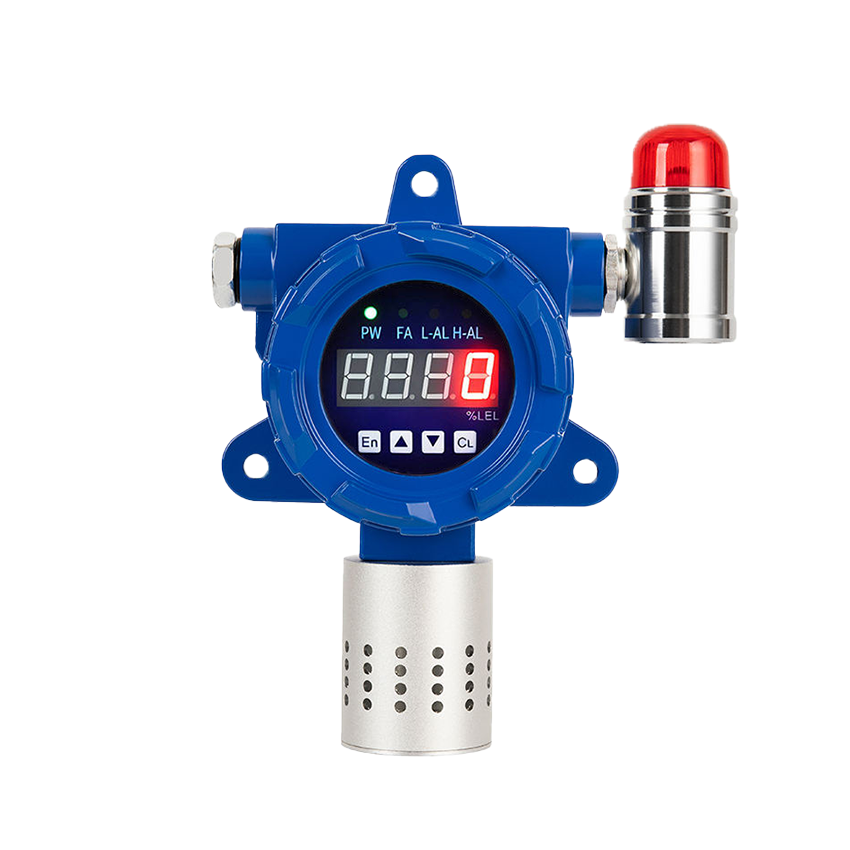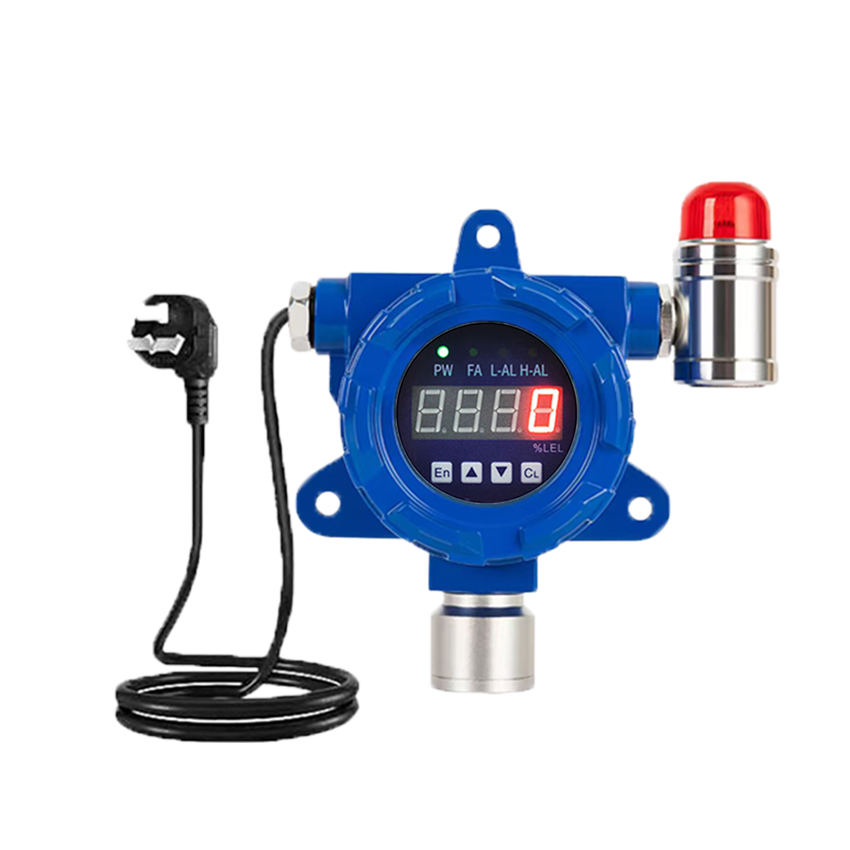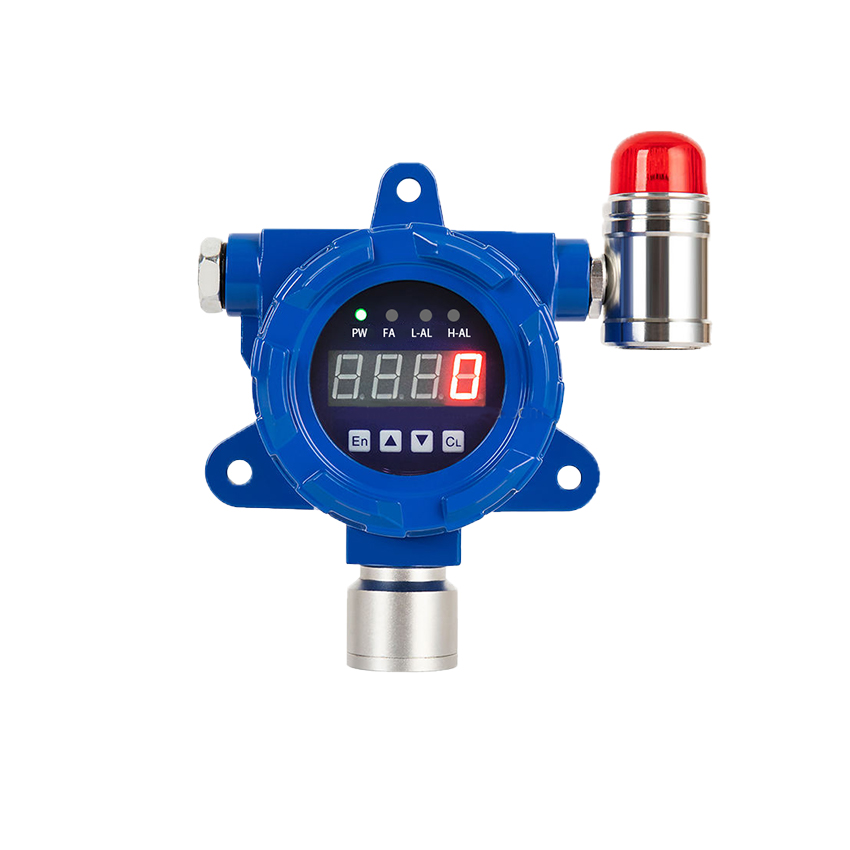
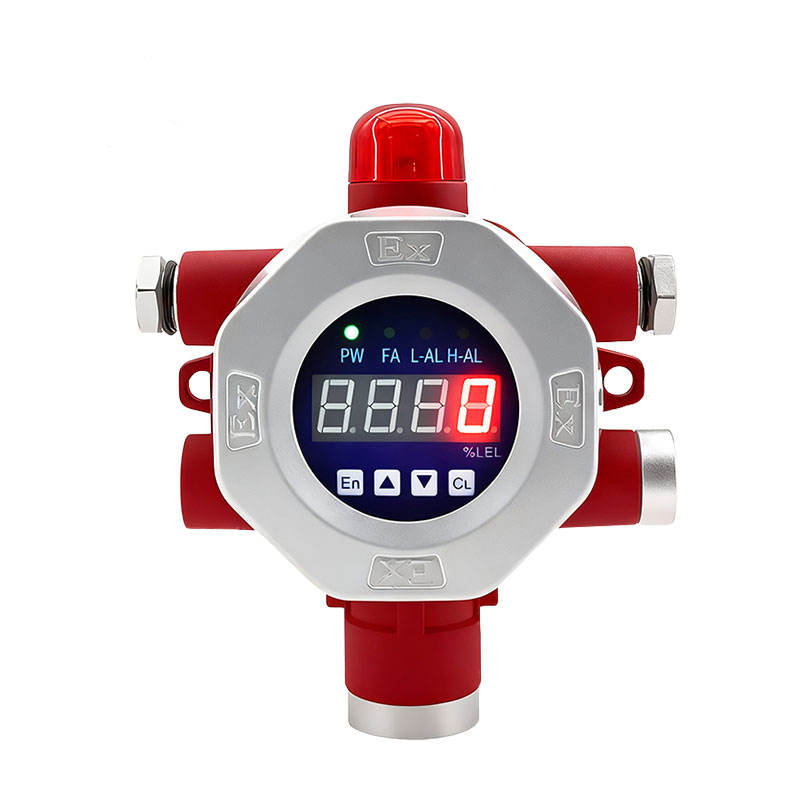
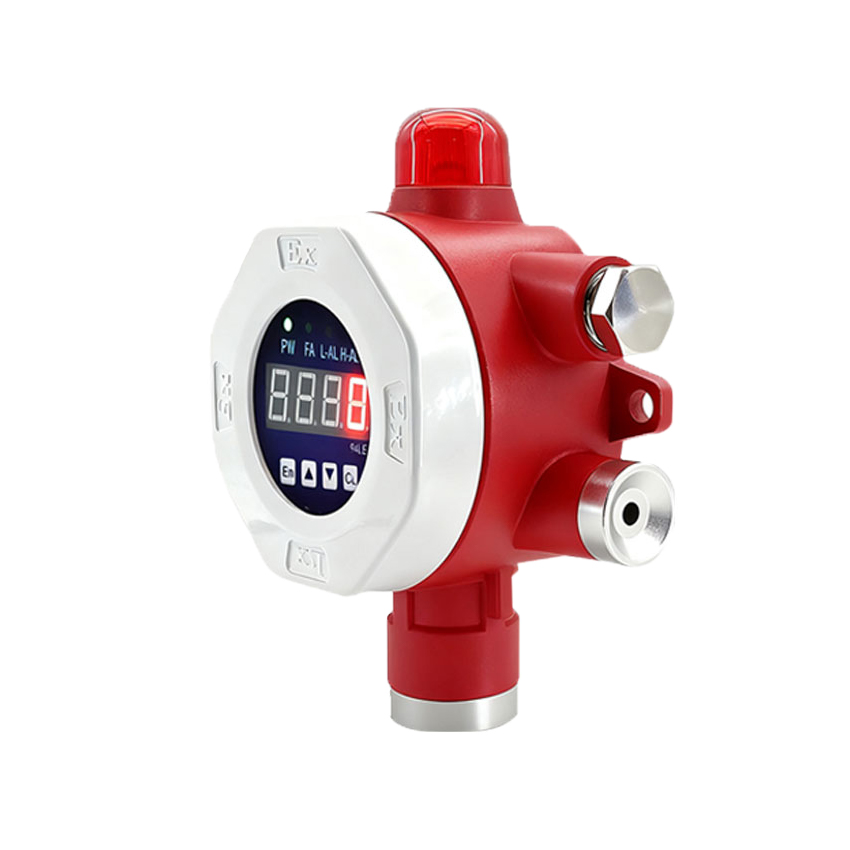
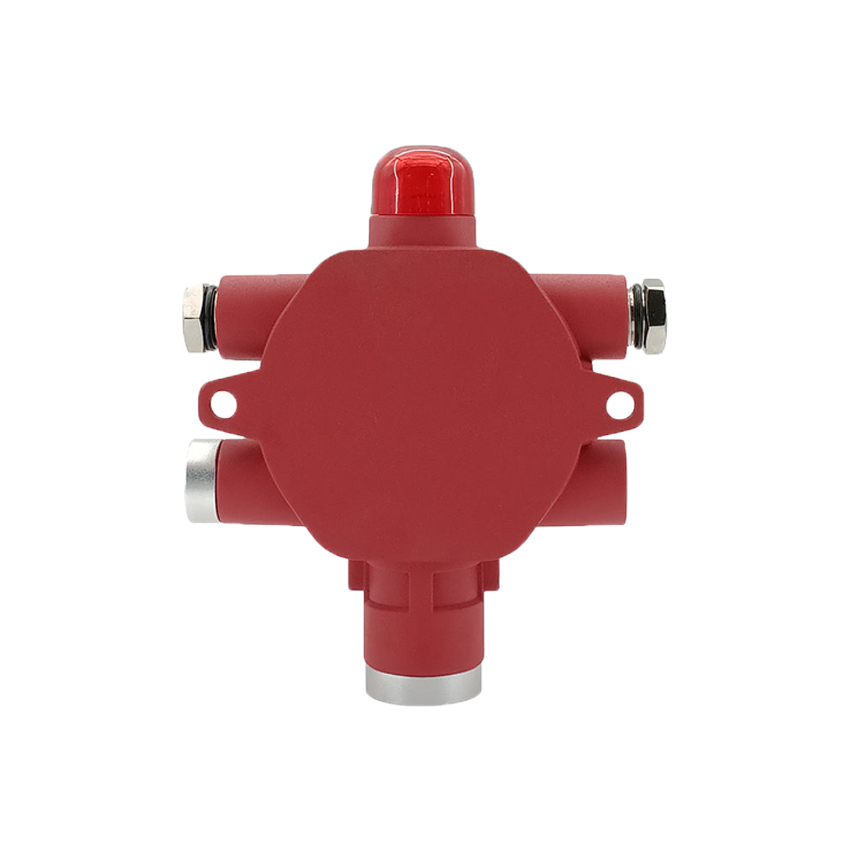
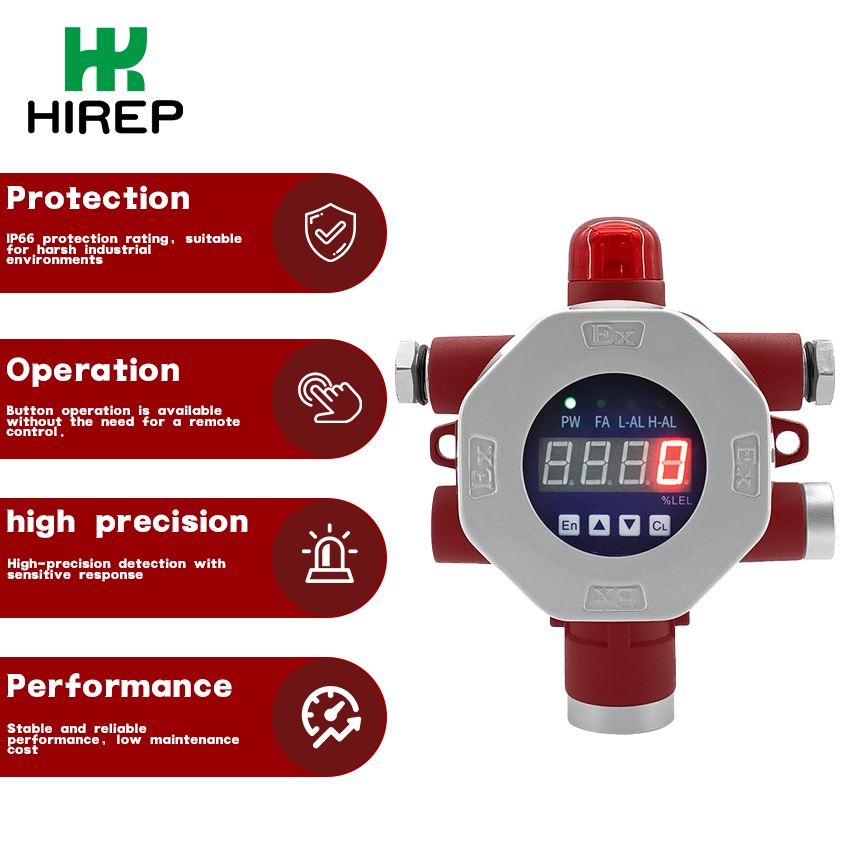
Fixed Infrared Combustible Gas Detector HRP-T1000-C
The HRP-T1000-C is a professional solution for high-concentration methane detection, designed to solve the range bottleneck problem of catalytic combustion sensors for high-end customers. It covers the full range of 0-100% VOL (the range of catalytic combustion sensors is 0-100% LEL), eliminating the risk of burn-off in high-concentration environments. It requires no oxygen for detection, making it suitable for special scenarios such as confined spaces and high-concentration inert gas mixtures. The sensor has strong resistance to poisoning, unaffected by impurities such as hydrogen sulfide, silicides, and sulfides, and has a lifespan of over 5 years, far exceeding that of traditional catalytic combustion sensors.


-
High precision
-
Global Shipping
-
Customized
-
24*7 support
-
OEM/ODM
- Features
- Parameters
- Accessories
- Gases and Ranges
The HRP-T1000-C is an industrial-grade safety monitoring device that uses non-dispersive infrared (NDIR) core technology. It is designed for continuous monitoring of combustible gases across the entire range and is suitable for special industrial scenarios that traditional detectors cannot cover.
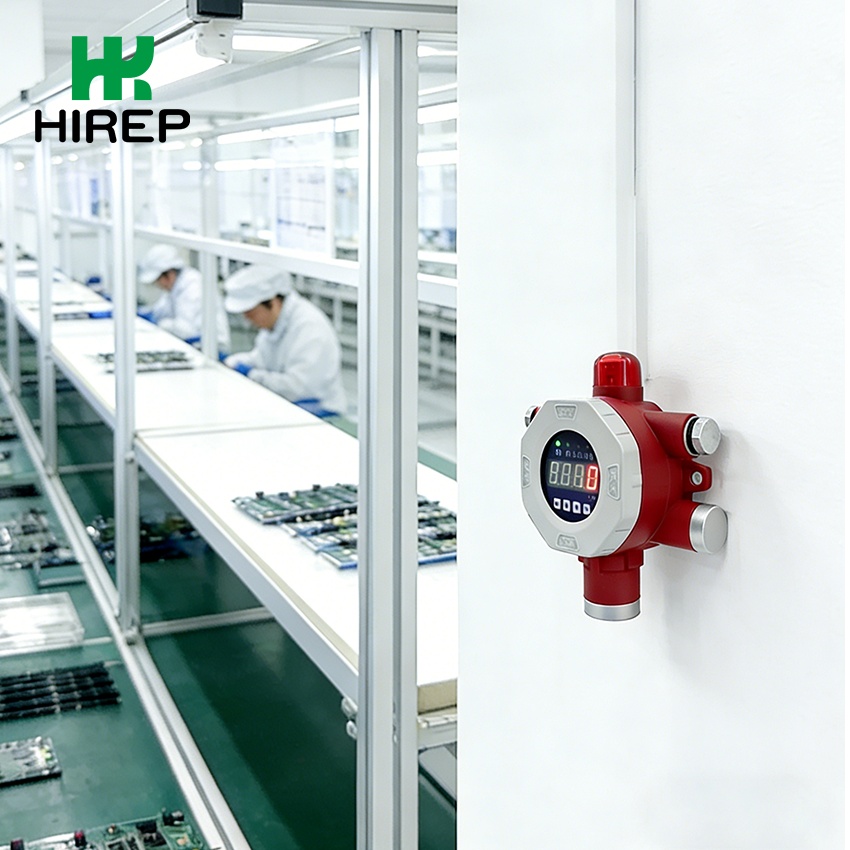
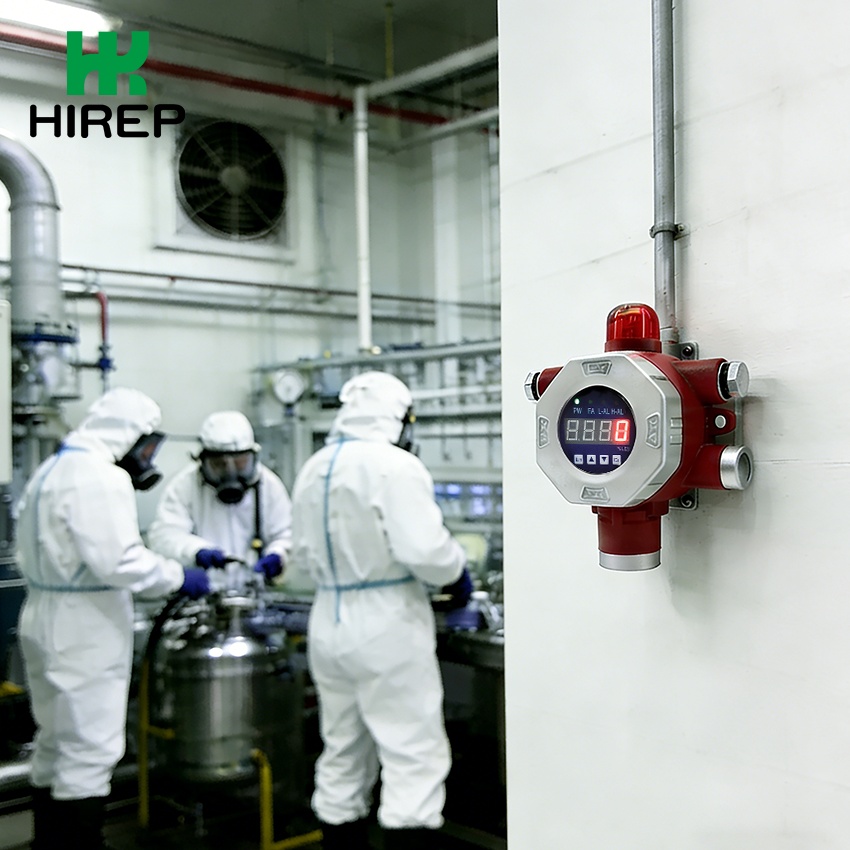
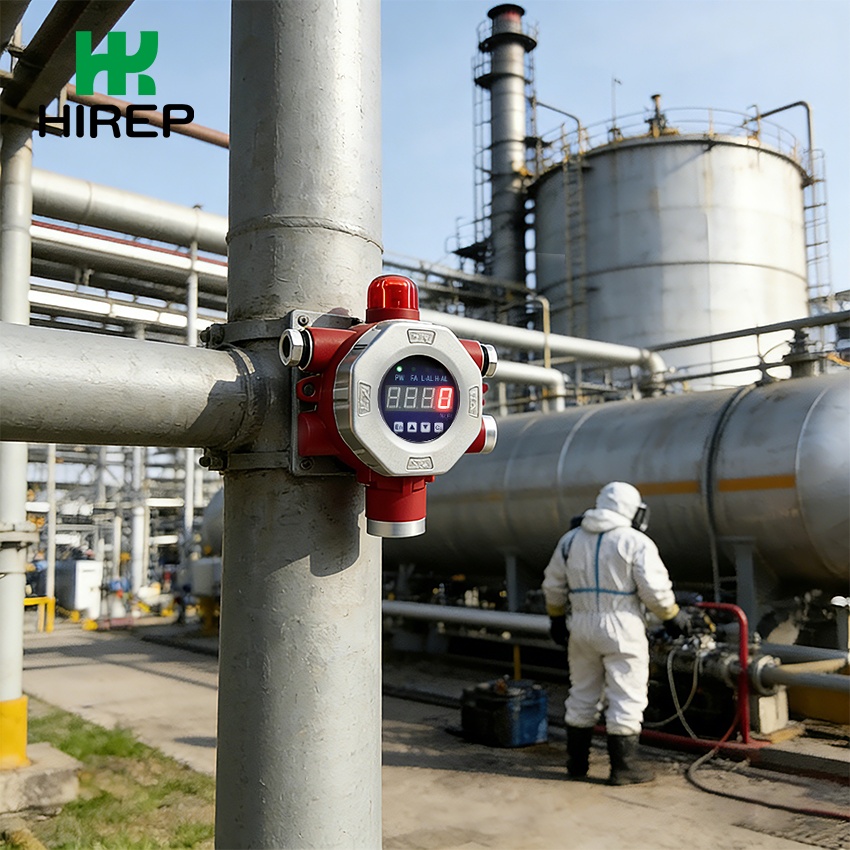
This equipment is suitable for natural gas gate stations, oil tank farms, chemical raw material tanks, coalbed methane extraction, painting workshops, confined spaces, and other similar locations. It features full-range, blind-spot-free detection, no risk of burn-off at high concentrations, strong resistance to poisoning, long sensor lifespan, multiple installation methods, remote monitoring, stable operation over a wide temperature range, corrosion-resistant housing, high reliability, low maintenance costs, and customization support.
This equipment is suitable for locations with high methane content or low oxygen content, such as natural gas gate stations, oil tank farms, chemical raw material tanks, coalbed methane extraction, and confined spaces. It features full-range, blind-spot-free detection, no risk of burn-off at high concentrations, strong resistance to poisoning, long sensor life, multiple installation methods, remote monitoring, stable operation over a wide temperature range, corrosion-resistant housing, high reliability, low maintenance costs, and supports OEM/ODM customization services.
1.Flexible combination configuration and customization
Random collocation: support any combination of various gases and environmental parameters (such as temperature and humidity), and the measuring range and sampling method can be customized as required.
Tailor-made: according to the actual risk allocation on site, meet the specific monitoring needs of different scenarios.
2.Intelligent operation and maintenance and remote calibration
Remote calibration: Support remote automatic calibration in the background, without frequent entry of personnel into high-risk areas, greatly reducing the operation and maintenance costs.
Fault self-diagnosis: real-time monitoring of equipment health status, active reporting of sensor aging and other early warning, to achieve preventive maintenance.
3.Scientific layout strategy
Accurate positioning: scientifically select the installation height according to the gas density (heavier or lighter than air) to ensure that the leakage source is captured.
Eliminate dead ends: deploy at fixed points in areas prone to accumulation such as ditches and pipe corridors, and build a monitoring network without dead ends.
4.Strong environmental adaptation and pretreatment
Extreme sampling: equipped with cooling, dust removal and drying systems, it can work stably under harsh working conditions such as high temperature, high humidity and high dust.
Strong anti-interference: it has industrial lightning protection and electromagnetic compatibility design, adapts to strong magnetic field or lightning-prone environment, and reduces false positives.
5.Visualization and Multidimensional Data Interaction
Visual display: equipped with high-definition large screen, visually check the concentration and status on site, and support switching between Chinese and English.
Video linkage: High-end models can integrate cameras to realize dual monitoring of "gas concentration+live video" and assist remote decision-making.
Single Gas Detec
- Detected Gases: Combustible Gas
- Detection Principle: Catalytic Combustion
- Sampling Method: Natural Diffusion
- Detection Range: PPM, %LEL, %VOL, mg/m³
- Response Time: LEL < 30 s (T90), Toxic Gas < 60 s
- Setting Method: Button or Remote Control
- Power: DC 24 V ±12 V ≤ 3 W
- Output Signal: 4-20 mA / RS485 or Both
- Transmission Distance: < 1000 m
- Operating Temperature: -20℃ - +55℃
- Relative Humidity: ≤ 95% RH (Non-condensing)
- Explosion-Proof Rating: Ex d IIC T6 GB
- Ingress Protection: IP66
- Enclosure Material: Die-Cast Aluminum (Optional: 304 Stainless Steel)
- Dimensions: 195 x 185 x 95 mm
- Weight: < 1000 g
- Cable Entry: M20 x 1.5 or G1/2
- Mounting Method: Wall-Mounted

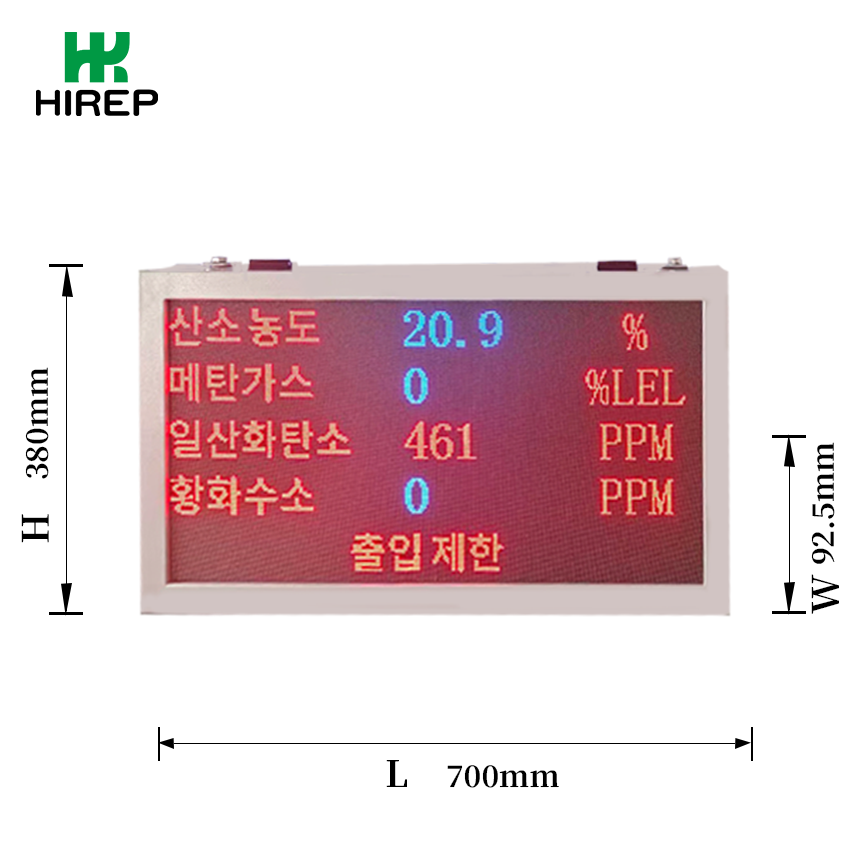
LED Display Screen(Optional, not required):
This gas concentration monitoring display screen features a dual-color display and connects to the host computer via RS485 protocol. It is primarily used to display real-time concentration data for various gases. The font colors differ between alarm and normal states. Normal state text is blue, while alarm state text is red.

Mounting Bracket(Optional selection):
High-strength metal mounting brackets are specifically designed for mounting gas monitors and actuators, and are typically used for wall-mounted installations.
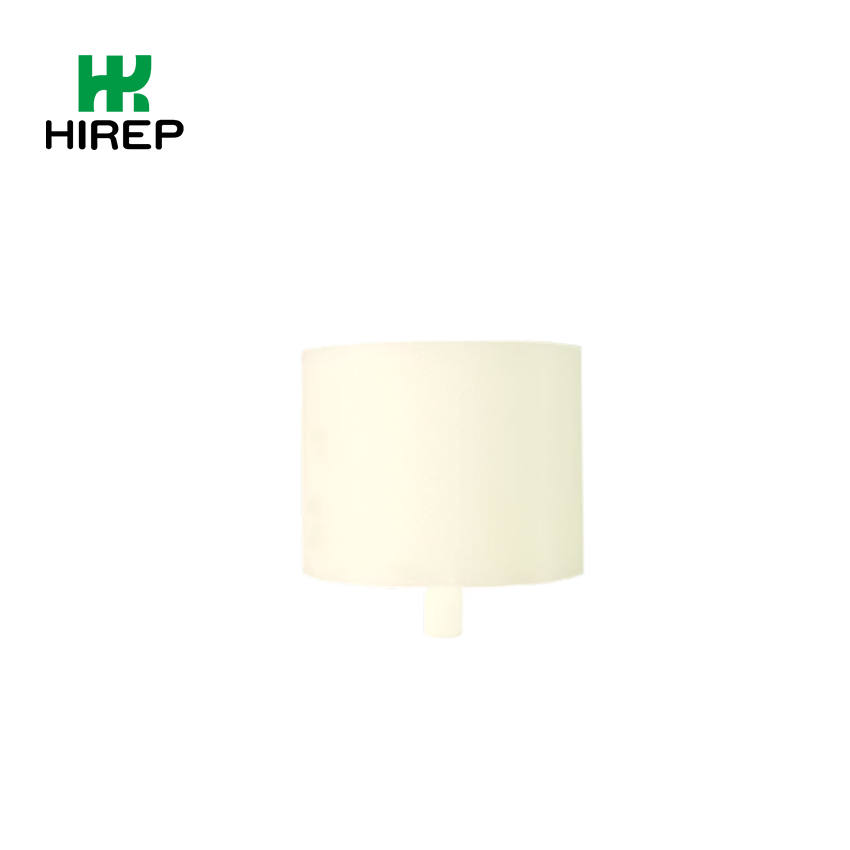
Calibration Hood(Optional selection):
This is a standard calibration cover specially designed for HIREP series fixed gas detectors, which is used for fast and accurate gas concentration calibration and sensor testing on the equipment site. It has simple structure and good sealing performance, which ensures that the gas can evenly cover the sensor probe during calibration and avoid external interference.
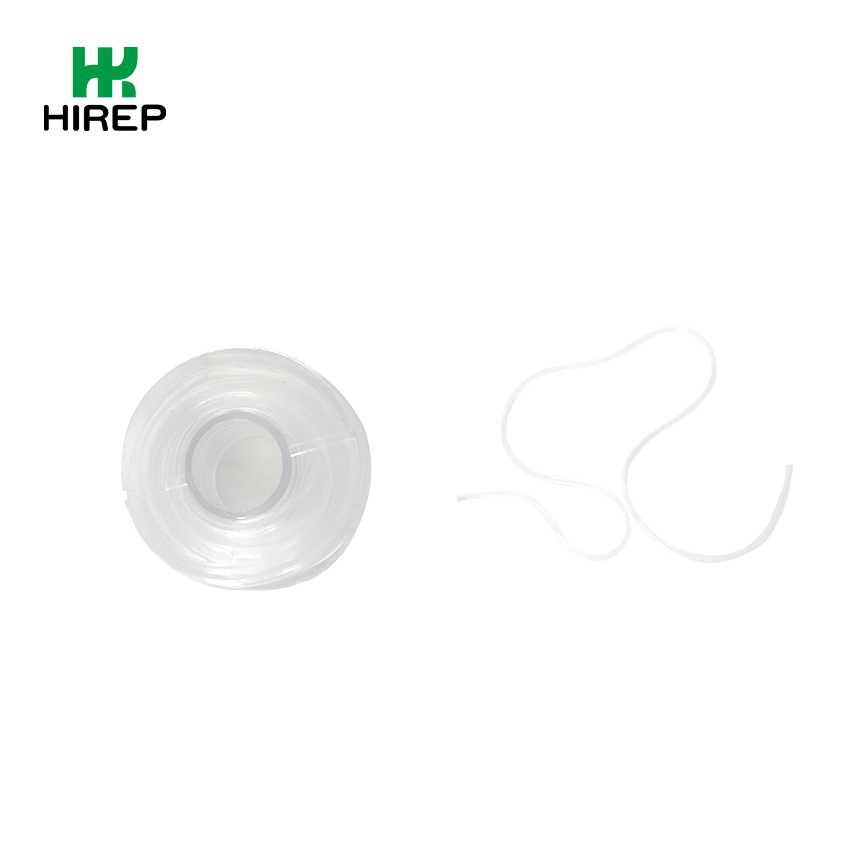
Sampling Tube(Optional):
The sampling tube is made of polytetrafluoroethylene (PTFE), which is resistant to high temperatures and corrosion. It is usually used in conjunction with an external pump to safely and stably deliver the gas to be tested in the environment to the sensor analysis unit. It is suitable for remote sampling, detection in confined spaces, or gas monitoring under complex working conditions.
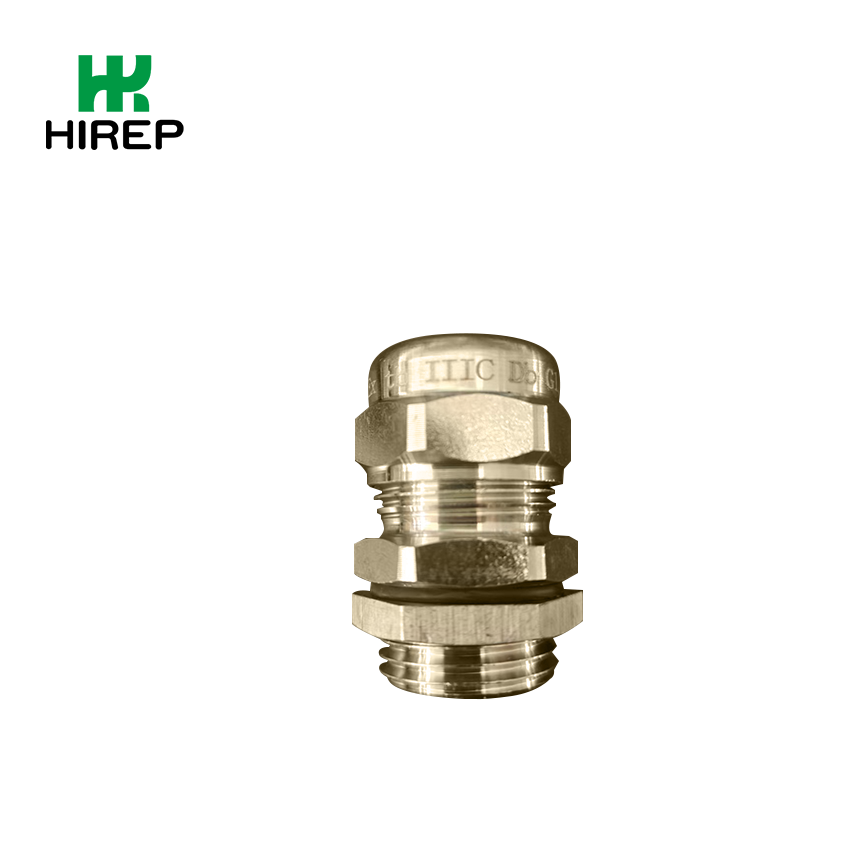
Explosion-Proof Cable Gland(Optional):
Used for the safe wiring connection of fixed gas detector, alarm host or electrical equipment in explosive environment. Its structure conforms to international explosion-proof standards, ensuring reliable sealing and electrical isolation in flammable and explosive gas environment and preventing accidents caused by sparks or high temperature.
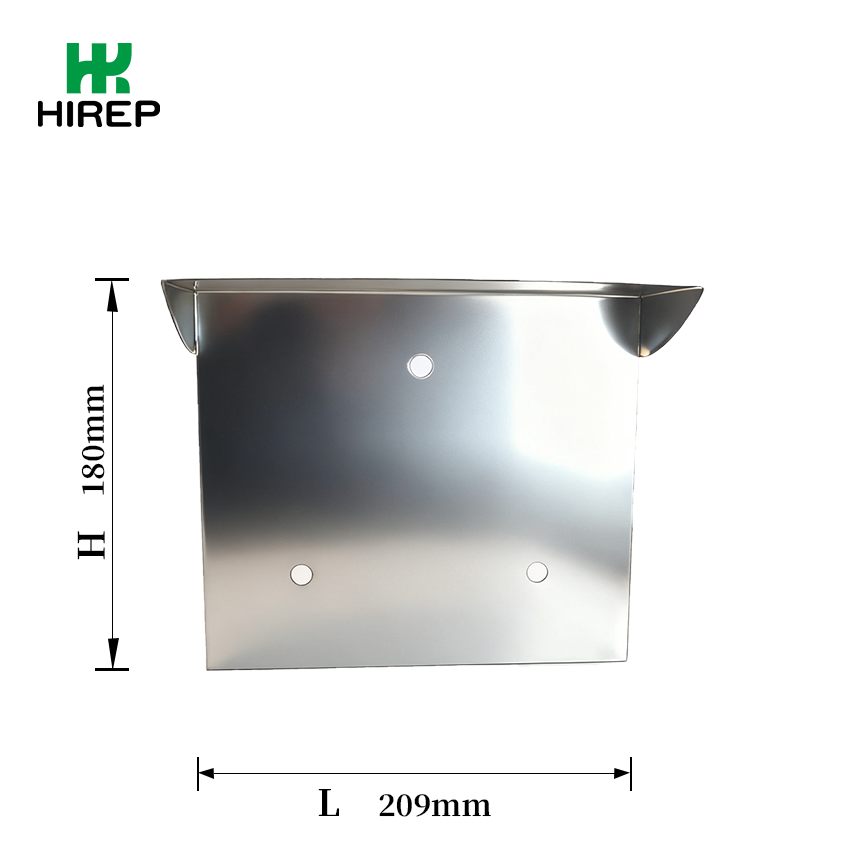
Rain cover(Optional):
Prevents rainwater, dew, and spray water from entering the detector housing, circuitry, and sensor cavity, preventing short circuits due to moisture on the circuit board, reducing rainwater corrosion, and minimizing aging damage to the detector housing and probe caused by ultraviolet radiation. Significantly improves equipment durability, especially suitable for outdoor, open-air, and factory outdoor installation scenarios.
| Name | Chemical Formula | Lower Explosive Limit(Volume Fraction)in Air%VOL|Lower Limit | Serial No | Name | Chemical Formula | Lower Explosive Limit(Volume Fraction)in Air%VOL|Lower Limit | |
| 1 | Ethane | C₂H₆ | 3.0 | 49 | Cyclohexane | CH₂ (CH₂)₄CH₂ | 1.2 |
| 2 | Ethanol | C₂H₅OH | 3.4 | 50 | Cyclohexanol | CH₂ (CH₂)₃CHOHCH₂ | 1.2 |
| 3 | Ethylene | C₂H₄ | 2.8 | 51 | Cyclohexanone | CH₂ (CH₂)₃COCH₂ | 2.8 |
| 4 | Hydrogen | H₂ | 4.0 | 52 | Cyclopropane | CH₂CH₂CH₂ | 2.4 |
| 5 | Methane | CH₄ | 5.0 | 53 | Decane | C₁₀H₁8 | 0.7 |
| 6 | Methanol | CH₃OH | 5.5 | 54 | Cyclohexene | CH₂ (CH₂)₃CHCHCH₂ | 1.2 |
| 7 | Acetylene | C₂H₂ | 2.5 | 55 | Diacetone Alcohol | (CH₃)₂COHCH₂COCH₃ | 1.8 |
| 8 | Propanol | C₃H₇OH | 2.5 | 56 | Di-n-butyl Ether | C₄H₉OC₄H₉ | 0.9 |
| 9 | Propane | C₃H₈ | 2.2 | 57 | Dichlorobenzene | (C₆H₄)Cl₂ | 2.2 |
| 10 | Propylene | C₃H₆ | 2.4 | 58 | Diethylamine | (C₂H₅)₂NH | 1.7 |
| 11 | Toluene | C₆H₅CH₃ | 1.2 | 59 | Dimethylamine | (CH₃)₂NH | 2.8 |
| 12 | Xylene | C₆H₄ (CH₃)₂ | 1.0 | 60 | Dimethylaniline | (CH₃)₂C₆H₃NH₂ | 1.2 |
| 13 | Dichloromethane | C₂H₄Cl₂ | 5.6 | 61 | Dicyclohexylamine | (CH₂)₄O₂ | 1.9 |
| 14 | Dichloroethylene | C₂H₂Cl₂ | 6.5 | 62 | Ethylene Oxide | OCH₂CH₂CH₂ | 1.9 |
| 15 | Dichloropropane | C₃H₆Cl₂ | 3.4 | 63 | Diethyl Ether | C₂H₅OC₂H₅ | 1.8 |
| 16 | Diethyl Ether | C₂H₅OC₂H₅ | 1.7 | 64 | Ethyl Acetate | CH₃COOC₂H₅ | 2.1 |
| 17 | Dimethyl Ether | CH₃OCH₃ | 3.0 | 65 | Ethyl Acrylate | CH₂CHCO₂C₂H₅ | 1.7 |
| 18 | Formaldehyde | CH₂OCH | 4.0 | 66 | Styrene | C₆H₅C₂H₃ | 1.0 |
| 19 | Acetic Acid | CH₃COOH | 4.0 | 67 | Ethylene Oxide | CH₂CH₂O | 2.6 |
| 20 | Acetone | CH₃COCH₃ | 2.3 | 68 | Ethanethiol | C₂H₅SH | 2.3 |
| 21 | Acetyl Chloride | (CH₃CO)₂CH₂ | 1.7 | 69 | Ethyl Mercaptan | C₂H₅SCH₃ | 2.0 |
| 22 | Chloroform | CH₃COCl | 5.0 | 70 | Methyl Ethyl Ketone | C₃H₇COCH₃ | 1.8 |
| 23 | Acrylonitrile | CH₂CHCN | 2.8 | 71 | Ethylamine | C₂H₅NH₂ | 3.5 |
| 24 | Allyl Chloride | CH₂CHCH₂Cl | 3.2 | 72 | Gasoline | — | 0.9 |
| 25 | Methylacetylene | CH₃CCH | 1.7 | 73 | Kerosene | — | 0.7 |
| 26 | Amyl Acetate | CH₃CO₂C₅H₁1 | 1.0 | 74 | Turpentine | — | 1.8 |
| 27 | Aniline | C₆H₅NH₂ | 1.2 | 75 | Nitrobenzene | C₆H₅NO₂ | 1.8 |
| 28 | Benzene | C₆H₆ | 1.2 | 76 | Nitromethane | CH₃NO₂ | 7.1 |
| 29 | Benzaldehyde | C₆H₅CHO | 1.4 | 77 | Phenol | C₆H₅OH | 1.3 |
| 30 | Benzyl Chloride | C₆H₅CH₂Cl | 1.1 | 78 | Phenylacetylene | C₆H₅C₂H | 1.1 |
| 31 | Bromobenzene | C₆H₅CH₂Br | 2.5 | 79 | Ethylbenzene | C₆H₄C₂H₅ | 1.0 |
| 32 | Bromoethane | CH₃CH₂Br | 6.7 | 80 | Methyl Formate | HCOOC₂H₅ | 2.7 |
| 33 | Butadiene | CH₂CHCHCH₂ | 2.0 | 81 | p-Dioxane | C₄H₈O₂ | 2.0 |
| 34 | Butane | C₄H₁0 | 1.9 | 82 | Isobutane | i-C₄H₁0 | 1.8 |
| 35 | Butanol | C₄H₉OH | 1.8 | 83 | Naphthalene | C₁₀H₈ | 1.9 |
| 36 | Butylene | C₄H₈ | 1.6 | 84 | Nonane | CH₃ (CH₂)₇CH₃ | 0.7 |
| 37 | Butyraldehyde | C₃H₇CHO | 1.4 | 85 | Nonanol | CH₃ (CH₂)₇CH₂OH | 0.8 |
| 38 | Butyl Butyrate | C₃H₇COOC₄H₉ | 1.2 | 86 | Valeraldehyde | C₆H₁₀0 | 1.2 |
| 39 | Butyl Methyl Ketone | C₄H₉COCH₃ | 1.2 | 87 | Pentane | C₅H₁2 | 1.4 |
| 40 | Carbon Disulfide | CS₂ | 1.0 | 88 | Pentanol | C₅H₁₁OH | 1.2 |
| 41 | Chlorobenzene | C₆H₅Cl | 1.3 | 89 | Propylamine | C₃H₇NH₂ | 2.0 |
| 42 | Chlorobutane | C₄H₉CH₂Cl | 1.8 | 90 | Propyl Methyl Ketone | C₄H₉COCH₃ | 1.5 |
| 43 | Chloroethane | CH₃CH₂Cl | 3.8 | 91 | Pyridine | C₅H₅N | 1.7 |
| 44 | Chloroethylene | CH₂CHCl | 3.8 | 92 | Tetrahydrofuran | C₄H₈O | 2.0 |
| 45 | Chloromethane | CH₃Cl | 8.1 | 93 | Tetrahydrofurfuryl | C₅H₁₀O₂ | 1.5 |
| 46 | 2-Chloropropane | CH₃CHCICH₃ | 2.6 | 94 | Triethylamine | (C₂H₅)₃N | 1.2 |
| 47 | Cresol | C₆H₄OH | 1.1 | 95 | Trimethylamine | (CH₃)₃N | 2.0 |
| 48 | Cyclobutane | CH₂CH₂CH₂CH₂ | 1.8 | 96 | Trioxane | (CH₂O)₃ | 3.0 |
Send Message
Just drop us a line, call, or fill out the form. Our team will provide you with transparent pricing, detailed technical data sheets,very feasible solution, and genuine after-sales support—no hidden costs, no empty promises.