
LEL Combustible Gas Detector: Working Principle, Application Scenario and Selection Guide
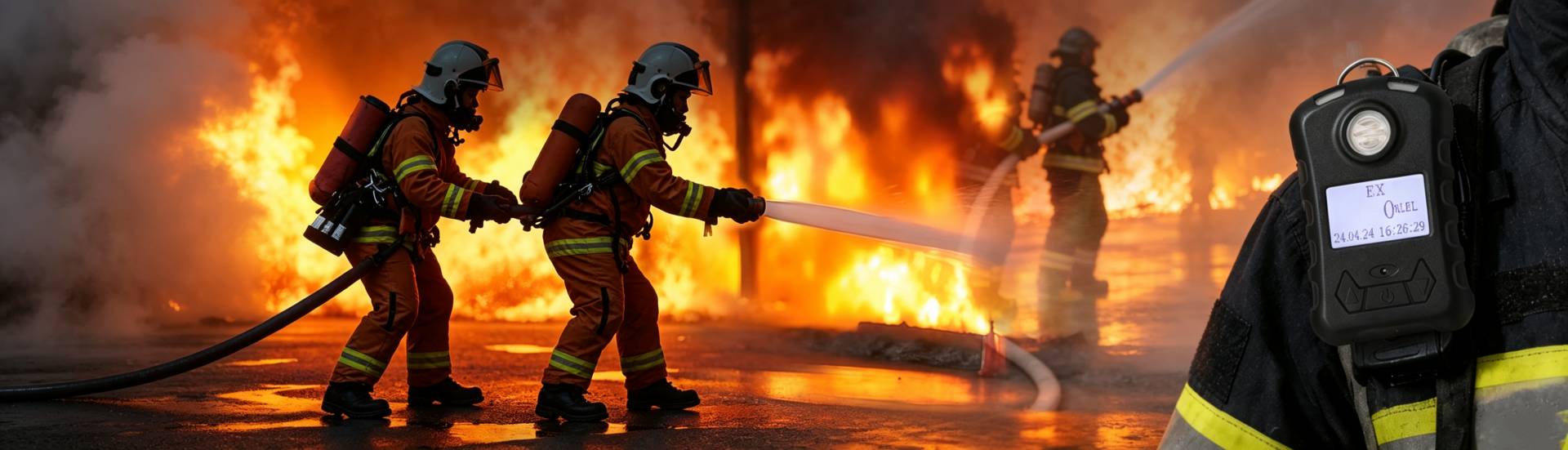
LEL combustible gas detector is an important industrial safety equipment, which is mainly used to monitor the concentration of combustible gas in industrial environment. When methane, propane, hydrogen and other flammable gases leak, it may cause serious fire and explosion hazards. Without effective gas monitoring measures, even a small amount of gas leakage may gradually evolve into a dangerous accident.
LEL combustible gas detector can detect the abnormal concentration of combustible gas in time and give an early warning when the gas concentration approaches the preset alarm threshold. The equipment is widely used in oil and gas, chemical plants, manufacturing workshops, storage areas and confined spaces and other industrial places.
What Is LEL Combustible Gas Detector?
LEL is the abbreviation of Lower Explosive Limit, which is called the lower explosive limit in Chinese, and refers to the lowest concentration of combustible gas that can meet an ignition source in air and burn or explode.
LEL combustible gas detector is mainly used to measure the concentration of combustible gas in the environment and judge how far the current gas concentration is from the lower explosion limit. Most industrial combustible gas detectors use the lower explosive limit percentage (%LEL) as the measurement unit, instead of directly displaying the gas volume concentration.
For example, when the detector displays 10%LEL, it means that the concentration of combustible gas currently detected has reached 10% of the lower explosion limit of the gas, which does not mean that the volume ratio of combustible gas in the air is 10%.
Through this measurement method, safety managers can more intuitively evaluate the explosion risk at the site and take preventive measures before the gas concentration reaches the dangerous level.
What Is the Working Principle of LEL Combustible Gas Detector?
LEL combustible gas detector mainly adopts catalytic combustion or infrared (IR) sensor technology. Different sensors have different working characteristics, and the specific selection needs to be determined according to the target gas, use environment and monitoring requirements.
Catalytic Combustion Sensor
Catalytic combustion sensor detects combustible gas by oxidation reaction on the surface of heated sensitive element.
When the combustible gas enters the sensor, it will react with oxygen on the surface of the catalyst, causing the resistance of the sensitive element to change. The detector converts this resistance change into the corresponding gas concentration reading by measuring it.
Catalytic combustion sensor is widely used in many combustible gas detection scenarios, but its normal operation requires sufficient oxygen, and some substances may cause catalyst poisoning, thus affecting the detection performance.
Infrared Sensor
The infrared sensor detects gas by measuring the absorption degree of infrared light with a specific wavelength. Different gases have different absorption characteristics of infrared energy, so we can use this difference to identify and measure the target gas.
Infrared detection technology is often used to monitor methane and some hydrocarbons. Its measuring principle does not depend on oxygen, and it is usually not easily affected by the problem of catalyst poisoning.
However, it should be noted that conventional infrared LEL sensors cannot detect all combustible gases. For example, hydrogen needs to adopt sensor technology suitable for its detection characteristics.
Common Application Scenarios of LEL Combustible Gas Detector
LEL combustible gas detector is widely used in industrial places where combustible gas leakage may occur, including production, storage, processing and transportation.
Oil and Gas Industry
During the production of oil and gas, gas leakage may occur around pipelines, compressors, valves, drilling equipment and storage tanks. Fixed LEL combustible gas detector can provide continuous monitoring, while portable gas detectors are suitable for staff to conduct on-site inspection and equipment maintenance.
Chemical and Petrochemical Plants
Flammable solvents, hydrocarbons and other combustible substances may be involved in the chemical production process. By installing LEL detectors in reaction equipment, pipelines and chemical storage areas, abnormal gas concentrations can be found in time and the risk of fire and explosion can be reduced.
Confined Space Operation
Combustible gas may accumulate in storage tanks, underground pipelines, sewage wells and other closed or poorly ventilated spaces. Portable multi-gas detectors can help workers to detect ambient gas conditions before entering confined space and during operation.
Manufacturing and Industrial Workshops
Factories that use natural gas, liquefied petroleum gas (LPG), fuel gas or flammable solvents need to establish corresponding gas monitoring measures. LEL detector can be used to monitor gas leakage near gas supply system, production equipment and storage area.
Fuel Storage and Distribution Site
Gas stations, gas storage facilities and fuel loading and unloading areas need reliable combustible gas monitoring equipment to reduce the risk of fire and explosion accidents caused by accidental leakage.
What Is the Difference Between Fixed and Portable LEL Combustible Gas Detectors?
The choice of fixed or portable LEL combustible gas detector mainly depends on the field monitoring environment and practical application requirements.
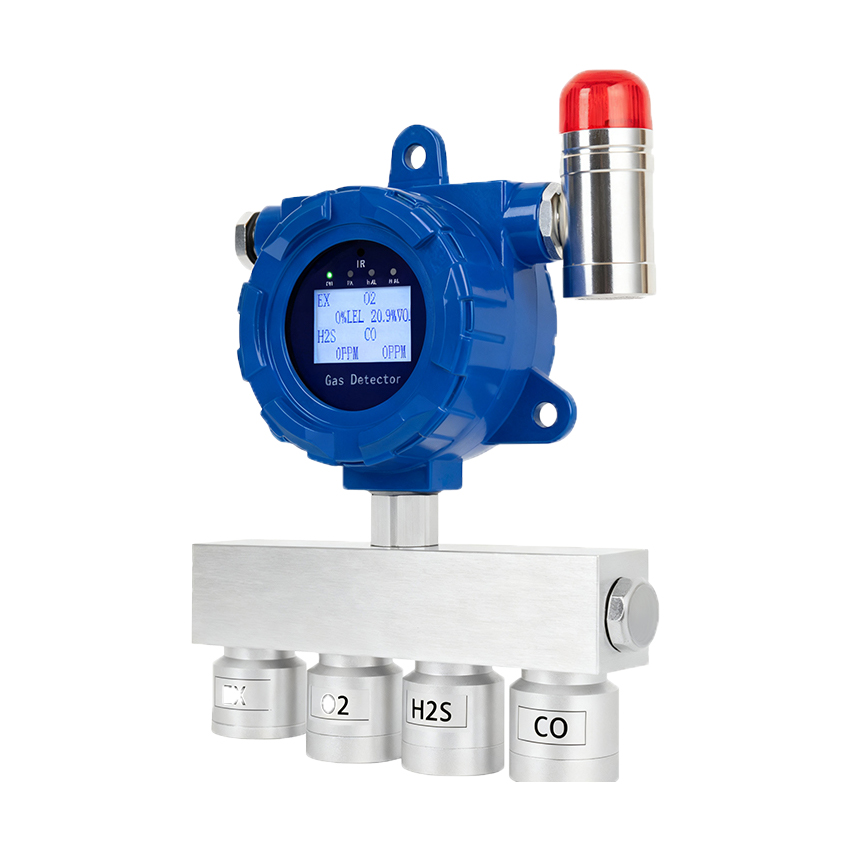
The fixed LEL combustible gas detector is usually installed at the designated monitoring position to continuously measure the concentration of combustible gas in the environment. The equipment can be connected with gas alarm controller, PLC system or industrial control system through signal interfaces such as 4-20mA and RS485 to realize centralized monitoring and alarm management.
Portable LEL combustible gas detector adopts handheld design, which is mainly used for personal safety protection, gas inspection and temporary monitoring. For equipment maintenance personnel, on-site inspection personnel and confined space operators, portable detectors can provide more flexible gas detection methods.
In the actual industrial safety management, fixed and portable gas detection equipment can be used together to meet the needs of regional continuous monitoring and personnel movement detection respectively, thus establishing a more perfect gas safety monitoring system.
How to Choose a Suitable LEL Combustible Gas Detector?
Choosing a suitable LEL combustible gas detector requires comprehensive consideration of the following technical factors.
Target Gas: firstly, confirm the type of gas to be detected on site, such as methane, propane, hydrogen or other combustible gases. It is important to ensure that the sensor is compatible with the target gas.
Detection Range: according to the gas concentration that may appear on site and the actual monitoring requirements, select the appropriate detection range.
Sensor Technology: Catalytic combustion sensor and infrared sensor have different working characteristics, which need to be selected according to the oxygen content in the field, potential sensor poisoning substances and target gas type.
Installation Environment: The temperature, humidity, dust, vibration and potentially explosive environment on site need to be considered. Some industrial sites may need to choose testing equipment with explosion-proof structure and good protection performance.
Output and Communication Mode: check whether the detector supports 4-20mA, RS485, relay output or other communication interfaces to ensure that the equipment can be compatible with the existing industrial control system.
Maintenance and Calibration: Regular calibration, function test and sensor inspection are very important for maintaining the measurement reliability of testing equipment.
Solution for Detecting Combustible Gas in HIREP Industrial LEL
HIREP Safety focuses on the development and manufacture of industrial gas detection equipment, providing fixed and portable gas detection solutions for industrial safety monitoring. Products cover flammable gas detection, toxic gas monitoring and multi-gas detection applications.
In the scene of continuous monitoring, HIREP fixed gas detector can be connected to industrial gas alarm system through adaptive signal output and communication interface to realize on-site gas concentration monitoring and centralized management.
For the requirements of mobile inspection and personnel safety protection, HIREP portable gas detector can provide flexible gas monitoring methods for staff, which is suitable for daily inspection and field operation in different industrial environments.
Whether in oil and gas facilities, chemical plants, manufacturing workshops or confined spaces, choosing appropriate LEL gas detection equipment will help enterprises to improve their ability to identify dangerous gases and strengthen the safety management in the workplace.
A reliable LEL gas detection system should be reasonably selected according to the target gas type, site environmental conditions, installation requirements and applicable safety standards.


 WhatsApp: 8619339980364
 E-mail: contact@hirepsafety.com
