
Fixed Magnetic Gas Detector Sensitivity Setting Guide
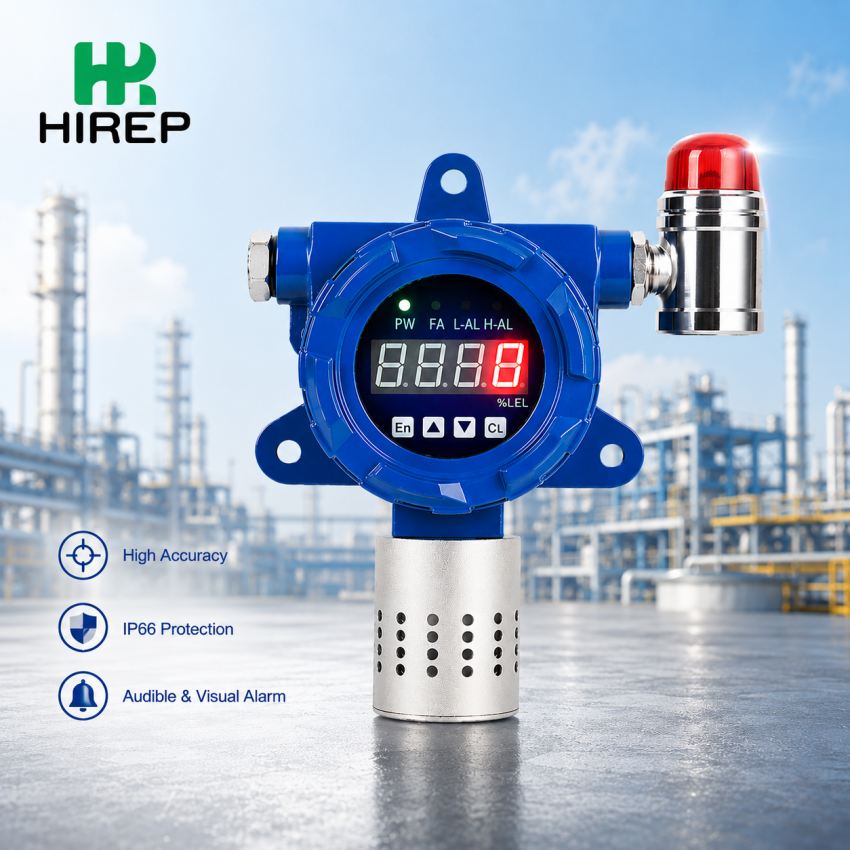
Fixed magnetic gas detector is a kind of safety detection equipment for continuously monitoring the change of gas concentration in the environment, which is widely used in chemical plants, oil and gas stations, storage areas, industrial workshops and other places with gas leakage risks.
Through magnetic installation, the equipment can be quickly fixed near metal equipment or pipelines, which is convenient for installation and maintenance. In the actual use process, besides correct installation, setting the sensitivity of the detector reasonably is also an important link to ensure the detection accuracy and stable operation.
Whether the sensitivity setting is reasonable or not will directly affect the response speed, measurement accuracy and alarm reliability of the detector to the change of gas concentration. Therefore, it is of great significance to check and adjust the sensitivity regularly to ensure the long-term stable operation of industrial gas monitoring system.
What is the sensitivity setting of fixed magnetic gas detector?
The sensitivity of gas detector refers to the sensor’s response ability to the change of target gas concentration.
When the target gas appears in the environment, the sensor will generate corresponding signals, and the detector will calculate the current gas concentration through signal processing and display it on the screen. Sensitivity setting is mainly used to adjust the corresponding relationship between the sensor output signal and the actual gas concentration, so that the detection result is more accurate.
Different types of gases need to match different sensors. For example:
- Combustible gas detection usually adopts catalytic combustion sensor or infrared sensor to detect methane, natural gas, hydrogen and other gases;
- Electrochemical sensors are usually used to detect toxic gases, such as carbon monoxide (CO), hydrogen sulfide (HS) and ammonia (NH).
- Oxygen detection is used to monitor the change of oxygen concentration in the environment to prevent the risk of hypoxia or oxygen enrichment.
Reasonable setting of sensitivity can ensure that the detector will give an alarm in time when the gas concentration reaches a dangerous level.
Why is it necessary to adjust the sensitivity of gas detector?
Improve detection accuracy
During the long-term operation of the gas detector, the performance of the sensor may be affected by the use time, environmental conditions and other factors, resulting in the deviation of the detection data.
Through sensitivity adjustment and periodic calibration, the sensor output can be corrected, so that the detection data display is closer to the actual gas concentration.
Reduce the risk of false alarm
The industrial site environment is complex, and temperature, humidity, dust and other chemicals may affect the working state of the sensor.
If the sensitivity is set too high, it may cause the equipment to give a false alarm for slight environmental changes; If the setting is too low, the detection response ability may be reduced.
Reasonable adjustment of sensitivity can strike a balance between safety and stability.
Extend the service life of equipment
By checking the sensitivity parameters regularly, the performance changes of the sensor can be found in time, and the detection performance can be restored through calibration, so as to reduce the frequency of equipment replacement caused by abnormal sensors.
Preparation before sensitivity setting of fixed magnetic gas detector
Before sensitivity adjustment, the following preparations need to be made:
Check the equipment installation status
Confirm that the detector is installed firmly and the air inlet position of the sensor is unobstructed.
Check whether it exists:
- Dust blockage;
- Oil pollution coverage;
- Water vapor enters;
- Corrosive substance pollution.
These factors will affect the speed of gas entering the sensor, thus affecting the detection results.
Confirm the test gas type
Before adjustment, it is necessary to confirm whether the detector model and sensor type match the target gas.
Common detection gases include:
- Methane (ch)
- Carbon monoxide (CO)
- Hydrogen sulfide (hs)
- Oxygen (o)
- Ammonia gas (NH)
- VOC volatile organic compounds
Prepare standard calibration gas
Sensitivity adjustment usually needs to be carried out with standard gas.
It is recommended to use the standard gas that meets the requirements and ensure that the gas concentration is within the measuring range of the detector to ensure the accurate calibration results.
Sensitivity setting steps of fixed magnetic gas detector
The operating interfaces of different types of equipment may be different, and the basic setup process is as follows:
Step 1: Enter the Settings menu
Enter the parameter setting interface through device buttons, remote controller or upper computer software.
Locate the sensor setup or calibration function.
Step 2: Select the sensitivity adjustment function
Enter the sensitivity setting option and adjust the relevant parameters according to the device prompts.
Common parameter names include:
- Sensitivity setting;
- Calibration coefficient;
- Sensor parameters;
- Detect the correction value.
Step 3: Calibrate the standard gas
Introduce standard gas into the detector sensor.
After the detection value is stable, adjust the detection parameters according to the concentration of standard gas to keep the displayed value consistent with the actual concentration.
Step 4: Save the settings and exit
After parameter adjustment, save the new settings.
Re-enter the detection state, and confirm that the device displays normally.
Step 5: Test the alarm function
After completing the sensitivity setting, you should check:
- Gas concentration display;
- High and low alarm values;
- Acousto-optic alarm function;
- Output signal;
- Communication function.
Ensure that the detector can respond to gas changes normally.
Main factors affecting the sensitivity of gas detector
Sensor aging
Gas sensor has a certain service life, and its sensitivity may decrease after long-term work, so it needs to be calibrated to restore its performance.
Environmental temperature and humidity change
Temperature and humidity changes may affect the output of some sensors, so the selection of installation location is very important.
Pollutant influence
Dust, oil mist and chemical vapor in the industrial site may slow down the response speed of the sensor and need regular maintenance.
Calibration period
Making a reasonable calibration cycle according to the use environment and the type of gas to be detected can ensure the continuous and stable operation of the equipment.
Maintenance suggestion of fixed magnetic gas detector
In order to maintain the good detection performance of the equipment, it is suggested that:
- Carry out zero calibration regularly;
- Regular calibration of standard gas;
- Check the sensor response;
- Keep the detection window clean;
- Confirm the alarm parameters regularly;
- Check the power supply and communication lines;
- Replace the sensor in time according to its service life.


 WhatsApp: 8619339980364
 E-mail: contact@hirepsafety.com