
Application of gas detection system in power plant in safety
introduction
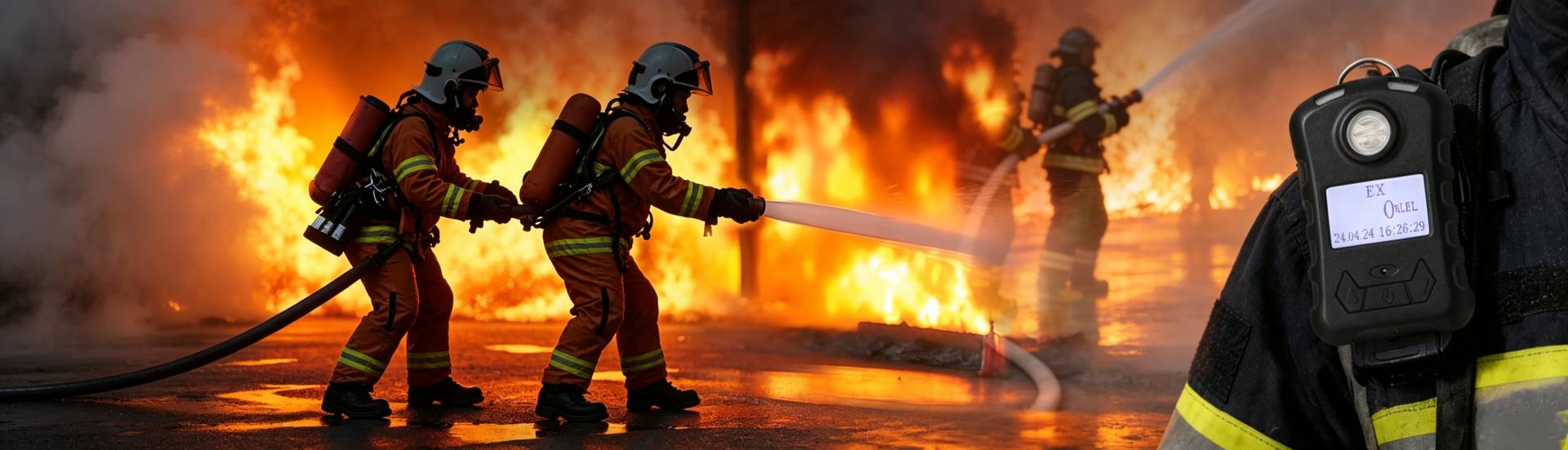
The power plant belongs to a high-risk industrial environment during its operation, and combustible or toxic gases may be generated in fuel treatment, combustion process, equipment maintenance and energy conversion. Even a small gas leak may cause fire, explosion, equipment damage and serious health risks.
Therefore, the gas detection system in power plant plays a vital role in ensuring operation safety, maintaining stable operation and meeting industrial safety regulations. Through continuous monitoring, the hidden danger of leakage can be found in time before the gas concentration reaches the dangerous level.
Why gas detection in power plants is very important?
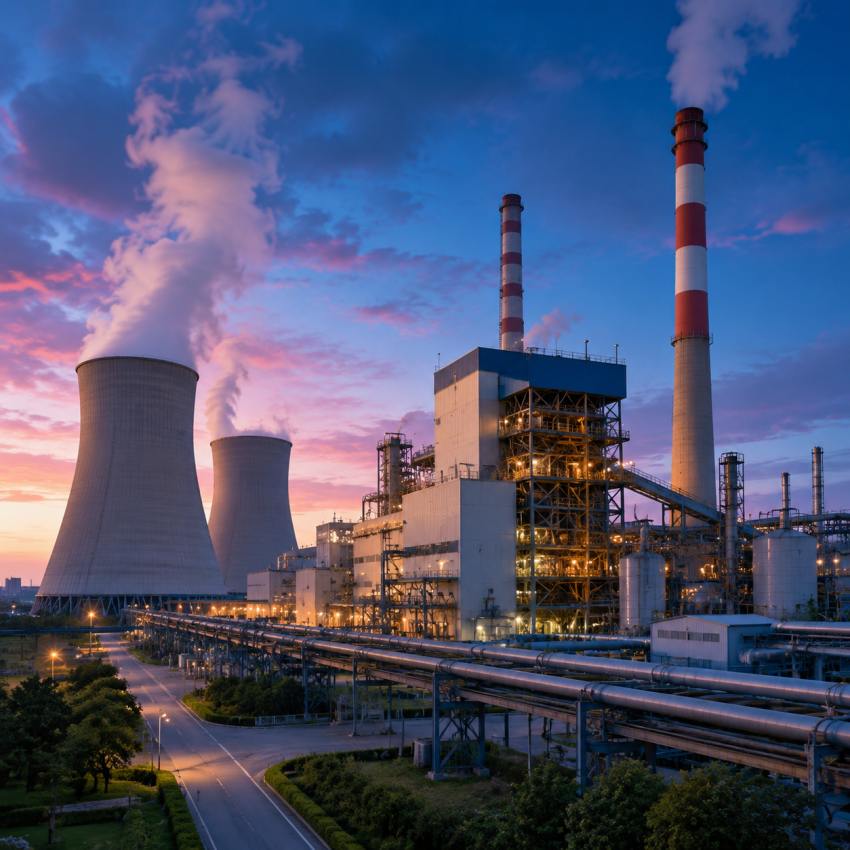
Coal-fired power plants, natural gas power plants, thermal power plants and other facilities will be exposed to a variety of dangerous gases in daily operation. Many of these gases are colorless and odorless and cannot be identified manually.
Common risks include:
- Explosion risk caused by combustible gas such as methane (CH)
- Leakage of toxic gases such as carbon monoxide (CO) and hydrogen sulfide (HS)
- Risk of hypoxia in confined space
- Hidden leakage in pipeline and fuel system
- Fire hazards in combustion and storage areas
Without a reliable gas detection system, even a small leak may turn into a major accident.
Working principle of gas detection system in power plant
Modern gas detection system continuously monitors the air quality and gives a real-time alarm when the gas concentration exceeds the safety threshold.
Typical systems include:
1. Gas sensor
Installed in key areas, it is used to continuously detect specific gas and measure its concentration.
2. Control host (gas controller)
Data from multiple sensors are collected, analyzed and processed to realize alarm linkage.
3. Alarm device
When the gas concentration exceeds the standard, an acousto-optic alarm signal is sent out.
4. Central monitoring system integration
It can be connected with SCADA or power plant control system to realize remote real-time monitoring.
5. Wired or wireless communication mode
Choose the installation method flexibly according to the layout and demand of the power plant.
Types of common gas detection technologies in power plants
According to different gas types and application environments, the following detection technologies are usually adopted:
- Electrochemical sensor: used to detect toxic gases such as CO and HS, with high accuracy.
- Infrared (IR) sensor: suitable for hydrocarbon gases such as methane and propane.
- Catalytic combustion sensor: used for detecting combustible gas (LEL)
- Oxygen sensor: used to monitor oxygen-deficient or oxygen-enriched environment.
Different technology combinations can realize all-round gas safety monitoring in power plants.
Main application areas in power plants
Gas detection systems are usually deployed in the following high-risk areas:
- Boiler and combustion area
- Fuel storage and transportation system
- Coal handling and conveyor belt area
- Turbine and generator room
- Confined space and maintenance area
- Underground or poorly ventilated areas
Reasonable layout of sensors can realize early warning and rapid response.
Advantages of gas detection system
Deploying a professional gas detection system has many advantages:
1. Ensure the safety of personnel
Reduce the exposure risk of toxic or combustible gases through early warning.
2. Meet the regulatory requirements
Help enterprises meet international industrial safety and environmental protection standards.
3. Ensure the continuity of production
Reduce the risk of downtime caused by gas accidents.
4. Protect equipment assets
Reduce the equipment loss caused by leakage or explosion.
5. Real-time monitoring capability
Improve emergency response speed and decision-making efficiency.
Best practice of system implementation
In order to ensure the long-term stable operation of the system, the power plant should follow the following best practices:
- Install sensors near potential leakage points.
- Conduct calibration and function test regularly.
- Linkage with emergency stop system
- Use redundant sensors in critical areas
- Train operators in alarm response.
- Conduct regular safety audits and inspections.
Scientific management is the key to ensure the reliability of the system.
How to choose a suitable gas detection system
Choosing a suitable scheme requires comprehensive consideration of multiple factors:
- Types of gases involved in power plants
- Environmental conditions (temperature, humidity, dust, etc.)
- Requirements of detection accuracy and response speed
- Compatibility with existing control systems
- Maintenance and life cycle cost
- Whether it meets relevant safety certification standards.
Customized design can better match the actual risk requirements of power plants.
Final summary
Reliable gas detection system is the basic component of modern power plant safety system. Through the continuous monitoring of combustible gas and toxic gas, the operation risk can be effectively reduced, the emergency response ability can be improved, and the production stability can be guaranteed.
Choosing a set of gas detection system with reasonable design in power plant can not only strengthen on-site safety management, but also meet long-term compliance requirements. For power plant operators, investing in high-precision, stable and reliable gas detection technology is an important step to build a safe and efficient energy production system.


 WhatsApp: 8619339980364
 E-mail: contact@hirepsafety.com