
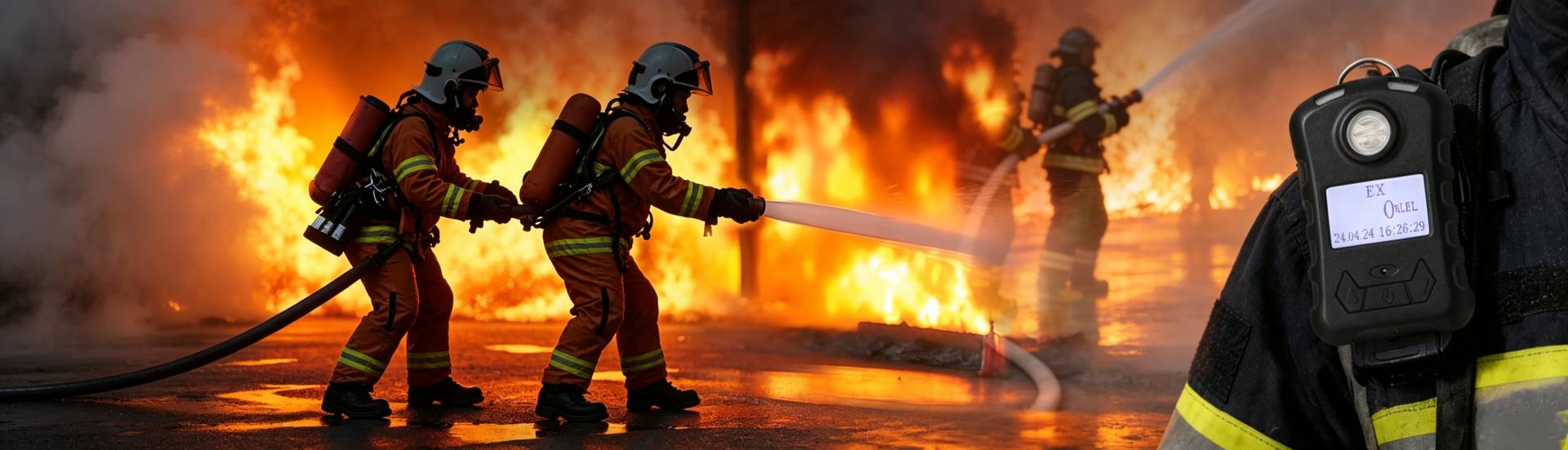
Portable 4-in-1 Gas Detector Sensitivity Setting
Sensitivity Setting of Portable Four-in-One Gas Detector
Portable four-in-one gas detector is mainly used to monitor a variety of dangerous gases at the same time. Common detection gases include combustible gas (%LEL), oxygen (O), carbon monoxide (CO) and hydrogen sulfide (H2S). In industrial production, limited space operation, petrochemical industry, mines and public safety, the accuracy of detection data is directly related to the safety of field personnel. Therefore, it is very important to set the sensitivity reasonably and calibrate it regularly.
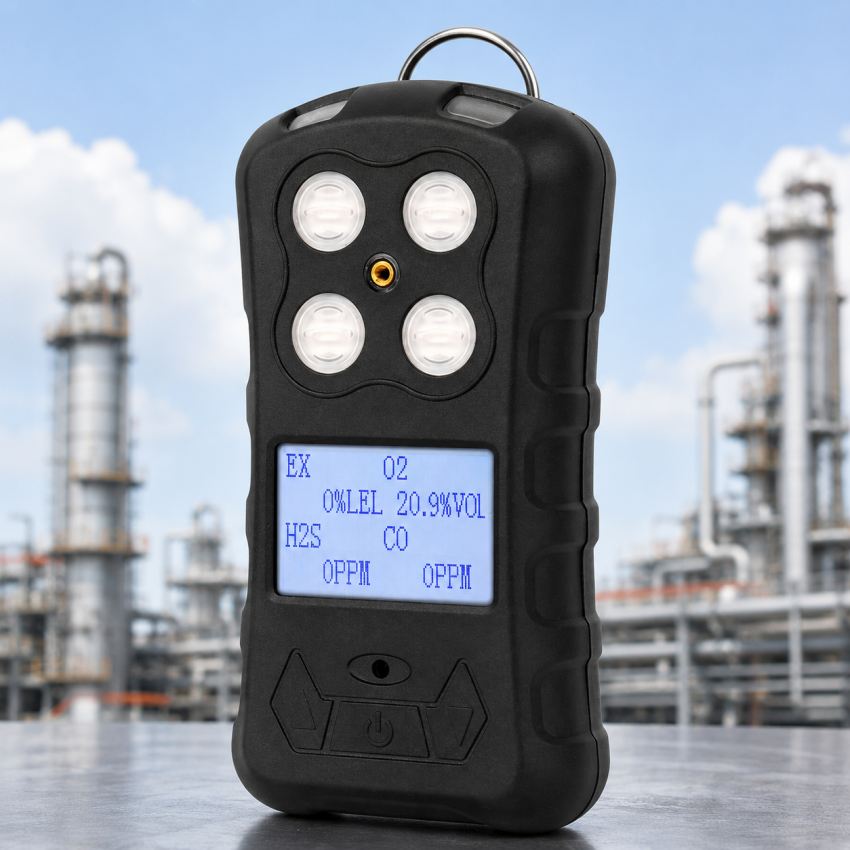
What Is the Sensitivity Setting of Gas Detector?
The sensitivity setting of the gas detector is to keep the output response of the sensor accurately corresponding to the actual gas concentration through calibration.
In the process of long-term use, the sensor may be affected by factors such as temperature, humidity, gas pollution, service time and environmental conditions, resulting in changes in detection response. If the calibration is not carried out in time, the test results may be biased.
Reasonable sensitivity adjustment can help the detector maintain stable detection performance and improve its response to dangerous gases.
Why Do You Need to Set the Sensitivity?
If the sensitivity of the detector is deviated, it may lead to inaccurate gas concentration display and even affect the alarm judgment. For example, the gas concentration in the actual environment has reached a dangerous level, but the display value of the detector is low, which may cause alarm delay.
Regular inspection and calibration can help equipment maintain:
- Accurate gas concentration reading
- Stable sensor response
- Reliable alarm performance
- Good long-term use performance
- Higher field operation safety
How to Set the Sensitivity of Four-in-One Gas Detector?
Different types of detectors are different in menu and operation mode, but the basic calibration process usually includes zero calibration and range calibration.
1. Prepare Standard Calibration Gas
Firstly, prepare the standard calibration gas matching with the detector sensor. Common four-in-one detection gases include combustible gas, O, CO and HS.
Before calibration, the type and concentration of gas in the gas cylinder should be confirmed, and the calibration gas should be within the validity period.
2. Perform Zero Calibration
Place the detector in a clean air environment, or use the designated zero gas according to the product requirements.
Enter the zero calibration function, and complete the operation after the sensor reading is stable. Zero calibration is mainly used to establish the basic reference value of the sensor.
It should be noted that zero calibration should be carried out in an environment that meets the requirements, and zero setting should be avoided directly in an environment containing target gas.
3. Set the Calibration Concentration
Enter the calibration setting menu of the detector, select the gas channel to be calibrated, and enter the calibration concentration consistent with the standard gas.
For example, when using 100 ppm CO standard gas for calibration, the CO calibration concentration of the detector should be set to the corresponding value.
4. Introduce Standard Gas
Introduce the standard gas into the detector through the calibration cap, pressure reducing valve and connecting pipe, and control the gas flow according to the equipment requirements.
Wait for the sensor response to be stable after ventilation, and the detector will adjust the sensor response according to the standard gas concentration.
5. Check the Calibration Results
After the calibration is completed, check whether the equipment shows that the calibration is successful. If the calibration fails, check the standard gas concentration, gas flow rate, connecting pipeline, calibration cap and sensor status.
If the sensor still fails after many calibrations, it is recommended to further check whether the sensor is aging, polluted or damaged.
Difference Between Sensitivity Setting and Alarm Setting
Sensitivity setting and alarm threshold setting are not the same function.
Sensitivity setting is mainly used to ensure the accuracy of sensor detection results, while alarm setting is used to determine when to start acousto-optic, vibration and other alarms after reaching a specific gas concentration.
For example, adjusting the alarm value of CO will only change the alarm triggering conditions, but will not change the detection sensitivity of the CO sensor itself.
What Should I Pay Attention to When Setting Sensitivity?
In order to ensure the calibration effect, the following points should be noted when setting the sensitivity:
- Use a standard calibration gas that matches the sensor.
- Confirm that the calibration gas concentration is consistent with the equipment setting value.
- Check whether the calibration gas is within the validity period.
- Use the pressure reducing valve and gas flow rate that meet the requirements.
- Confirm that the sensor is in normal condition before calibration.
- Wait for the test reading to be sufficiently stable before completing the calibration.
- Avoid zero calibration in unsuitable environment.
- Carry out calibration and maintenance according to the period specified in the equipment manual.
Correct sensitivity setting can not only improve the detection accuracy of Portable 4-in-1 Gas Detector, but also help to ensure the alarm response performance of the equipment in the actual working environment.


 WhatsApp: 8619339980364
 E-mail: contact@hirepsafety.com