
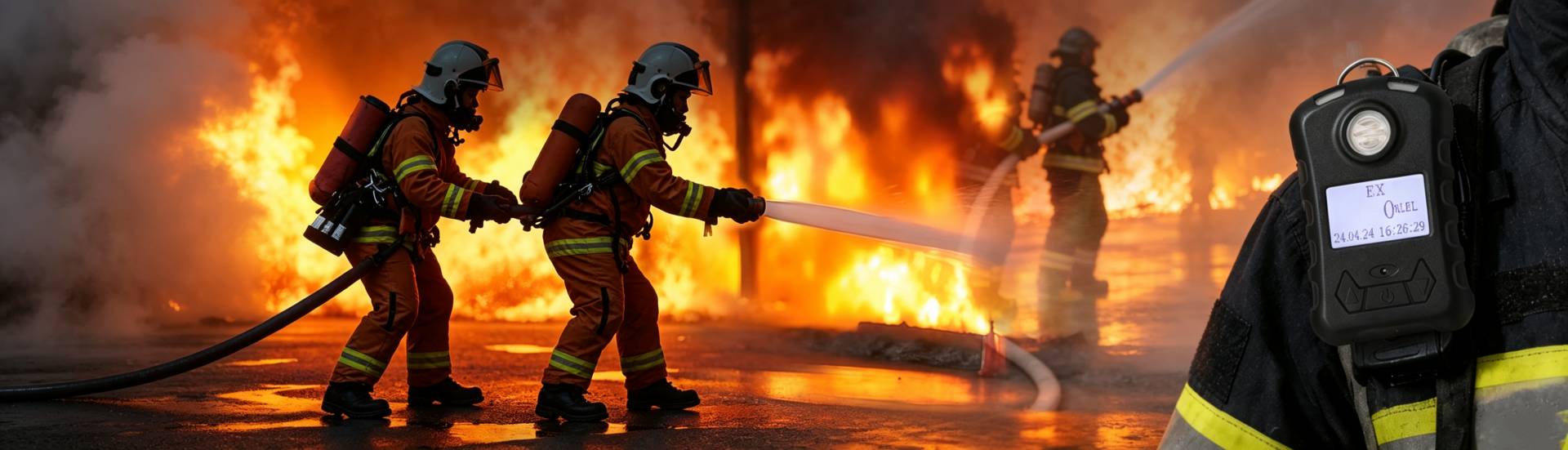
HRP-T2000-G Fixed Multi Gas Detector: Continuous Gas Monitoring Solution for Industrial Sites
In industrial production processes, there are often more than one gas risks faced on site. Chemical production areas may contain both combustible and toxic gases, while oil and gas facilities may require monitoring of methane, hydrogen sulfide, and oxygen concentrations.
It is difficult to continuously monitor the changes in gas concentration within a day solely through manual inspections. For areas where gas leaks may occur during normal production processes, installing fixed multi gas detectors can continuously monitor designated locations and detect abnormal situations in a timely manner.
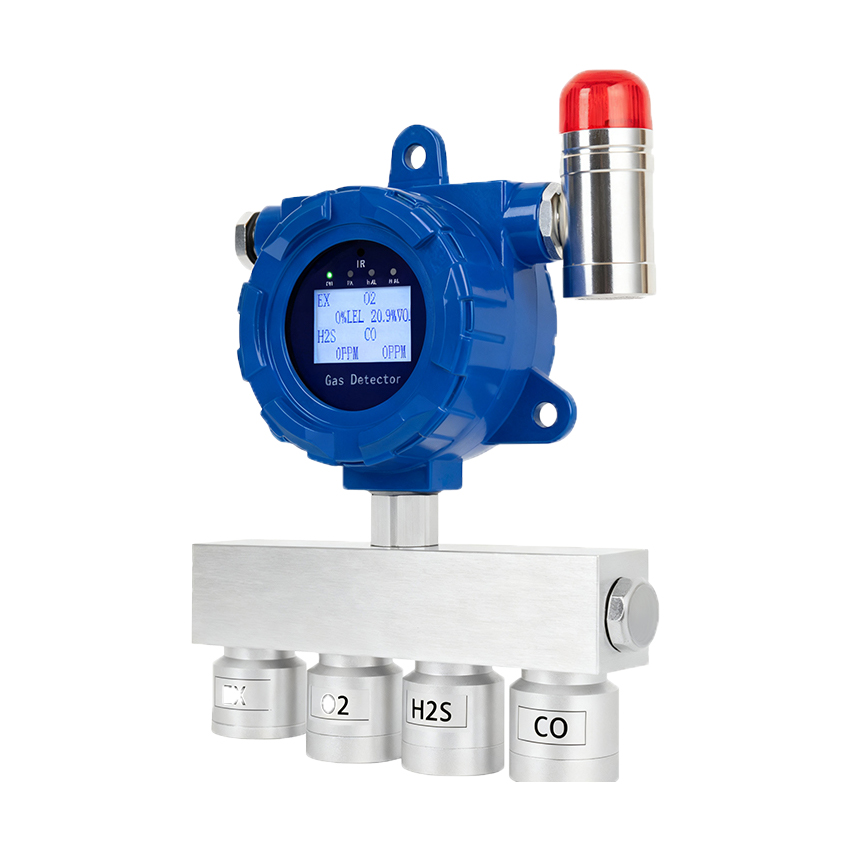
The HIREP HRP-T2000-G fixed multi gas detector is mainly used in industrial environments where multiple gases need to be monitored simultaneously, and corresponding sensors can be configured according to on-site detection needs.
Why Do Industrial Sites Require Fixed Multi Gas Detectors?
In many industrial facilities, there may be multiple gas risks near the same equipment or in the same production area. If a separate detector is installed for each gas, it will not only increase the number of devices, but also increase the workload of wiring and later maintenance.
Fixed multi gas detectors provide a more centralized monitoring method. By configuring multiple independent detection channels in one device, multiple selected gases can be monitored simultaneously, making it suitable for places where multiple gas risks need to be monitored at the same location.
Unlike portable gas detectors mainly used for personnel inspection and temporary testing, fixed detectors are usually installed at designated monitoring points and can continuously obtain gas concentration information from the surrounding environment, and transmit detection data or alarm signals to the central monitoring system.
Select Sensor Configuration Based on Target Gas
The gas detection requirements vary across different industrial sites. Natural gas facilities typically require focused monitoring of methane and other combustible gases, while wastewater treatment plants may pay more attention to hydrogen sulfide and oxygen concentrations.
HRP-T2000-G supports detection configurations for 1-4 gases, and can choose sensor technologies such as electrochemical, catalytic combustion, or infrared based on specific applications.
Common detection combinations include:
-
LEL + O₂ + CO + H₂S
-
CH₄ + O₂ + H₂S + CO
-
VOC + O₂ + CO
-
Configure other detection combinations based on the actual gas types on site
The sensor combination should be determined based on the raw materials used on site, production processes, and potential sources of leakage. The more detection channels there are, the more suitable the monitoring plan does not necessarily mean. The key is to combine on-site risk assessment and select the types of gases that truly need to be monitored.
The Installation Location Should Be Close to the Potential Leakage Area
The installation position of a fixed gas detector will directly affect the actual monitoring effect. Installing equipment in a convenient location for construction does not necessarily mean that gas leaks can be effectively detected.
For example, gas monitoring points may need to be set up around pipeline connections, valves, storage tanks, compressors, and chemical treatment equipment. The specific installation location should be determined based on the properties of the target gas, potential leakage sources, and on-site ventilation conditions.
Gas density is also a factor that needs to be considered for installation location. Some gases tend to accumulate downwards, while others may diffuse upwards under specific conditions. At the same time, air flow, temperature changes, and the structure of surrounding equipment can also affect the distribution of gases on site.
Therefore, the installation height and position of fixed gas detectors cannot be generalized, and should be planned according to the actual gas types and site layout.
How to Connect the Gas Detector to the Control System?
If the detection data can be integrated into the existing safety monitoring system of the factory, the fixed gas detector can play a greater role in on-site management.
HRP-T2000-G is equipped with an LCD display screen, which allows direct viewing of gas concentration and operating status at the device installation location. According to the selected configuration, the device can also be connected to external monitoring devices through corresponding communication and signal interfaces.
Common industrial connection methods include 4-20mA, RS485 Modbus RTU, and relay output. These interfaces can be used to connect gas alarm controllers, PLCs, or DCS systems.
When the detected gas concentration reaches the set alarm threshold, the equipment can issue an audible and visual alarm and transmit an alarm signal to the external system. If the on-site control system supports corresponding functions, it can also link ventilation equipment or implement other safety control measures based on alarm signals.
Before installation, engineering personnel need to confirm the required signal type, wiring method, power supply requirements, and compatibility between the equipment and the existing control system.
Maintenance and Calibration in Daily Operation
Fixed gas detectors usually require long-term continuous operation, but this does not mean that inspections can be skipped after installation is complete.
Dust, moisture, corrosive substances, and long-term exposure to specific gases can all affect the working condition of sensors. Daily inspections should focus on whether the equipment casing, sensor air intake, cable connections, and alarm functions are functioning properly.
The specific calibration cycle depends on the sensor type, target gas, on-site environment, and applicable safety requirements. Ventilation testing and gas calibration should be carried out in accordance with the manufacturer’s instructions and on-site maintenance system.
Meanwhile, it is recommended to keep records of equipment calibration, sensor replacement, and troubleshooting. Through these records, maintenance personnel can timely understand the operation status of the equipment and discover potential problems before the detection performance is affected.
HIREP HRP-T2000-G Fixed Multi Gas Detector
HIREP HRP-T2000-G Fixed Multi Gas Detector is a wall mounted fixed multi gas detector mainly used for continuous gas monitoring in industrial environments.
The device supports the detection of 1-4 gases, and different sensor configurations can be selected according to actual applications. Adopting a high-definition LCD display screen, it can display gas concentration and equipment operation information, making it convenient for staff to check the monitoring status at the installation site.
The device is powered by DC24V, with an enclosure protection level of IP66, and the explosion-proof level marked on the product is Ex db IIC T6 Gb. The communication and alarm functions can be configured according to the actual needs of the monitoring system.
Typical application scenarios include oil and gas facilities, petrochemical plants, sewage treatment facilities, storage tank areas, and industrial production workshops.
For industrial facilities that require simultaneous monitoring of multiple gas risks at fixed locations, HRP-T2000-G can integrate multiple detection channels into one device, reducing equipment configuration work for different gas detection points. The final selection should still be determined based on the target gas, installation environment, and control system requirements.


 WhatsApp: 8619339980364
 E-mail: contact@hirepsafety.com
