
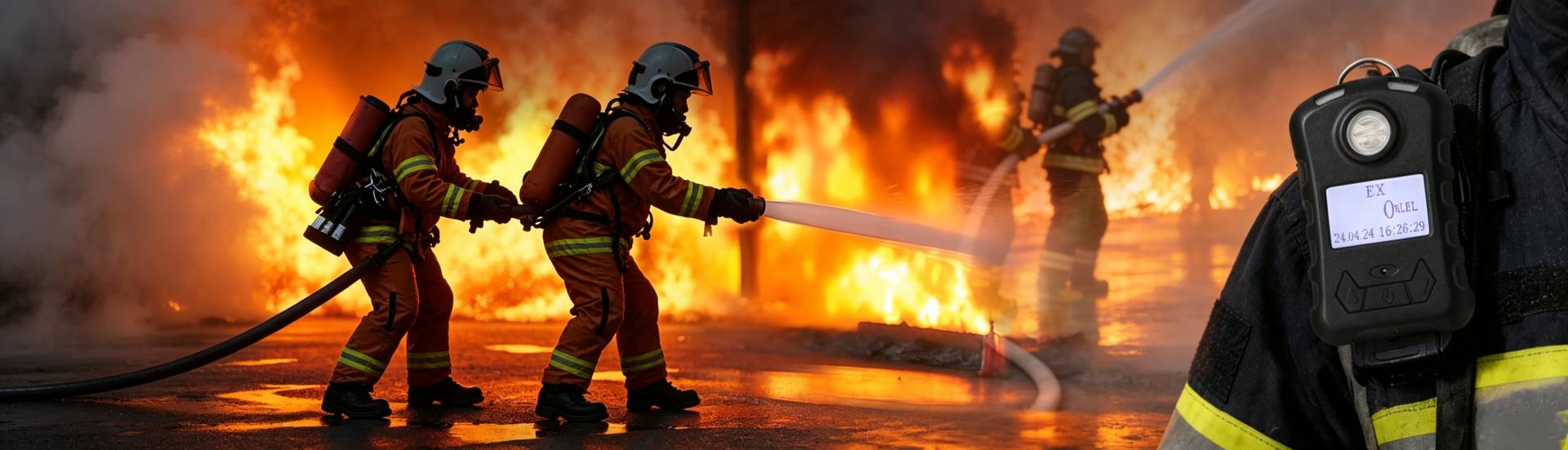
Gas Detector Inspection Checklist
Gas detector is a key protective equipment for industrial safety, which is widely used in petrochemical, gas, mining, metallurgy and limited space operations, and is directly related to the safety of field personnel. In order to ensure accurate equipment detection and sensitive and reliable alarm, it is necessary to implement standard inspection and daily maintenance, eliminate faults in time and reduce safety risks from the source.
A, appearance and basic state inspection
Before use, check the overall appearance of the equipment: the shell has no problems such as cracking, bumping and damage, the handwriting on the display screen is clear, there is no broken words, the keys are pressed smoothly and the response is normal. Focus on checking the air inlet of the sensor to ensure that there is no blockage, oil pollution and dust adhesion, so as to avoid affecting the detection accuracy. At the same time, check that the equipment identification, model and calibration date are complete and clear.
Second, the power supply and battery inspection
Stable power supply is the premise of normal operation of equipment. The portable detector needs to confirm that the battery is fully charged, the battery compartment is firmly contacted, and there is no leakage, corrosion, poor contact, etc. For fixed equipment, it is necessary to check that the power supply voltage is stable, the line connection is tight, and if it is equipped with a standby power supply, it is necessary to confirm that the standby power supply is in a normal standby state.
Third, the sensor core function check
The sensor is the core of the detector. Make sure that the sensor has no signs of aging, failure or damage within its effective service life. Confirm the normal response of the sensor through equipment self-check or function test; If necessary, do a simple response test (collision test) with standard gas to verify whether the detection sensitivity is up to standard.
Fourth, the alarm function test
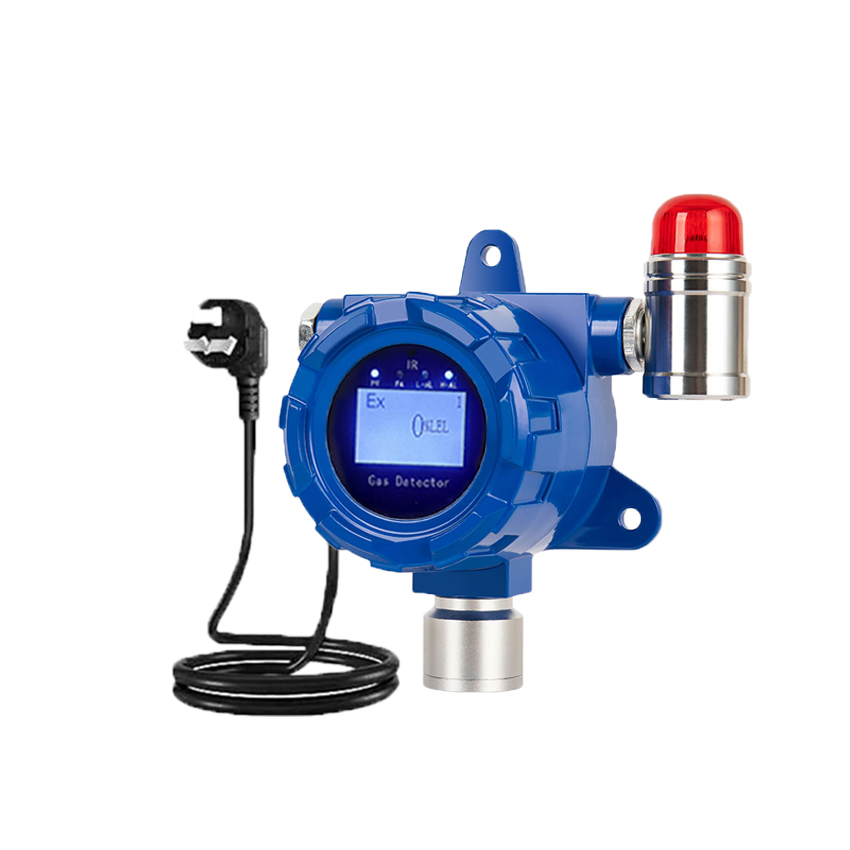
The alarm function is the last line of defense for safety protection and must be tested item by item. Simulate the scene exceeding the standard, and check whether the equipment triggers the acousto-optic alarm in time: the alarm sound is loud and clear, the warning light flashes normally, and the vibration module with vibration alarm function needs to be confirmed to be effective. At the same time, check the alarm threshold to ensure that it meets the requirements of on-site safety standards.
V. Verification of calibration status
Periodic calibration is the key to ensure the accuracy of test data. Focus on checking the calibration date and calibration cycle of the equipment, and confirm that it is used within the calibration validity period. If it exceeds the calibration period, stop using it immediately, and hand it over to professionals to use standard gas to complete calibration before putting it into use.
Six, data recording and communication function check
For the detector with data recording and communication functions, check whether the data storage is normal and the equipment time setting is accurate, and at the same time test whether the communication connection with the upper computer and management software is stable, so as to ensure that the detected data can be retained and traceable, and provide a basis for safety management and accident traceability.
VII. On-site environmental suitability inspection
Check the adaptability of the equipment in combination with the usage scenarios: make sure that the equipment meets the requirements of temperature and humidity on site, use detectors with explosion-proof certification in inflammable and explosive places, and check the IP protection level of the equipment to meet the requirements of dust-proof and waterproof working environment on site.
Eight, inspection records and ledger management
Every inspection shall be recorded truthfully, and the inspection date, inspectors, equipment operation status, problems found and treatment measures shall be clearly marked. Establish equipment management ledger, track equipment use, inspection, calibration and maintenance in the whole process, and realize standardized management in the whole life cycle.


 WhatsApp: 8619339980364
 E-mail: contact@hirepsafety.com