
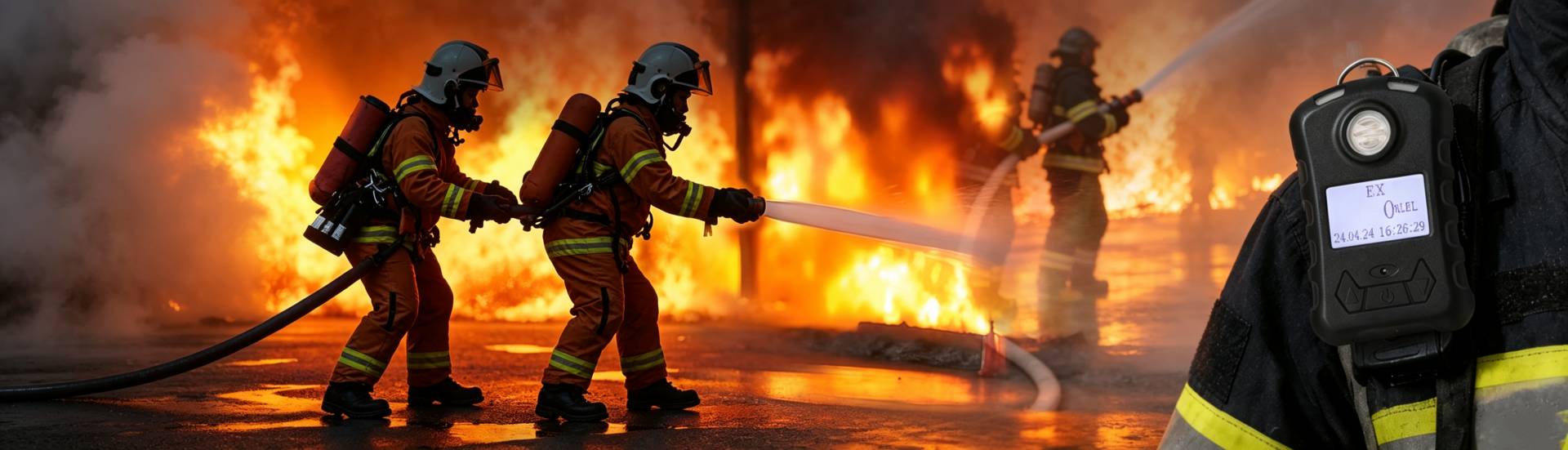
How to Choose a Reliable Home Carbon Monoxide Detector
Carbon monoxide (CO) is a potentially dangerous gas. When the combustion equipment runs abnormally or the fuel is not completely burned, CO may accumulate indoors. Because carbon monoxide is colorless and odorless, people can’t reliably recognize its existence through their senses. A suitable household carbon monoxide detection alarm can give an early warning when the CO concentration reaches the alarm threshold.
For homeowners, landlords, hotels and property managers, choosing the right carbon monoxide alarm is an important part of indoor safety management. Knowing the sensor technology, alarm function, installation requirements and maintenance methods is helpful to choose the equipment that meets the requirements of the actual use environment.

Why do families need carbon monoxide detection alarms?
Gas heaters, water heaters, fireplaces, gas stoves, portable generators and other combustion equipment may all produce carbon monoxide. Obstructed ventilation, damaged equipment or improper installation may increase the risk of CO accumulation indoors.
The carbon monoxide detection alarm can monitor the surrounding air and start the alarm when the detection result reaches the alarm condition set by the equipment. This kind of early warning can alert indoor personnel to potential dangers and help them take timely actions.
Compared with only relying on equipment inspection, a correctly installed carbon monoxide alarm can continuously monitor the environment during the operation of the equipment. This kind of equipment is especially important for houses that use combustion equipment or have connected garages.
1. Select the appropriate sensor technology.
Sensor technology is one of the key factors to be considered when choosing a household carbon monoxide detector. Electrochemical sensors are widely used in carbon monoxide alarms, which are designed to detect CO and convert the detection results into electrical signals for equipment to process.
HIREP HRP-CO102 household carbon monoxide alarm adopts electrochemical sensor, which can monitor carbon monoxide concentration. This design is suitable for CO detection in residential and indoor commercial environments.
Before purchasing, you should check the product specifications provided by the manufacturer, including testing scope, working conditions, service life and applicable product certification.
2. Check the alarm and display function
A reliable carbon monoxide alarm should give a clear warning when it reaches the alarm condition. Audible alarms are very important, because users may hear alarms even if they don’t look at the device directly. Visual indication can provide supplementary information about alarm status or equipment operation status.
HIREP HRP-CO102 household carbon monoxide alarm is equipped with LCD display and acousto-optic alarm function. The display screen allows users to check the information of CO concentration, and the alarm function helps to attract attention in time when the alarm is triggered.
When comparing different products, you should confirm what information can be displayed on the display screen and the alarm mode of the equipment in different states.
3. Consider the power supply mode and installation requirements.
The power supply mode will affect the installation flexibility and daily maintenance of equipment. Battery-powered alarms do not need to be specially connected to the mains, so it is more convenient to install in some residential environments.
HRP-CO102 uses two AA batteries and supports wall-mounted installation. Before installation, the manufacturer’s instructions should be followed, and the installation location should be selected according to potential sources of CO, room layout and applicable local safety guidelines.
Don’t install the detector just because it is convenient to install in a certain location. The correct installation position is very important for the normal function of the equipment.
4. Determine the appropriate installation area
Carbon monoxide alarms may need to be installed in houses, apartments, hotels and other indoor buildings that may have the risk of CO exposure. The specific installation area depends on the building layout and the use of combustion equipment.
Common installation location considerations include:
-
Bedroom and sleeping area;
-
Close to the living area of relevant combustion equipment when the installation instructions allow;
-
Corridor outside the bedroom;
-
Other locations required by local buildings or fire safety regulations.
Garage and kitchen may have special installation requirements. Always follow the instructions of the tester manufacturer and local regulations, rather than default that all locations are suitable for installation.
5. Understand the test and maintenance requirements
Regular testing and maintenance help to ensure that the carbon monoxide alarm is always in normal working condition. Users should perform functional tests, replace batteries, clean the equipment and check the service life information of the products according to the manufacturer’s instructions.
The test button is usually used to check some alarm functions, but it may not be able to confirm the detection accuracy of the CO sensor. Never use automobile exhaust or other uncontrolled carbon monoxide sources to test household alarms.
If the equipment reaches the specified service life, breaks down, or fails to pass the specified tests, it should be repaired or replaced according to the manufacturer’s instructions.
6. Know what to do when the alarm goes off.
If the carbon monoxide alarm sounds an alarm, it should be regarded as a potential emergency. Immediately take all personnel to a place with fresh air, and contact the local emergency rescue service or relevant fire and gas safety departments at a safe place. Don’t re-enter the building until the professionals confirm it is safe.
If someone has symptoms such as headache, dizziness, nausea, weakness or confusion, they should seek emergency medical help immediately. Don’t ignore the alarm even if you don’t smell abnormal smell or see obvious signs.
Using hirephp-co 102 to improve family safety
When choosing household carbon monoxide detection alarm, it is necessary to comprehensively evaluate sensor technology, alarm function, power supply mode, installation requirements and maintenance requirements. Suitable equipment can support continuous monitoring and provide important early warning when potentially dangerous CO concentration is detected.
HIREP HRP-CO102 household carbon monoxide alarm COmbines electrochemical co detection technology, LCD screen, acousto-optic alarm function and battery power supply design, which is suitable for residential and indoor commercial environments.
By selecting suitable testing equipment, installing it correctly and maintaining it according to the manufacturer’s instructions, homeowners and property management personnel can further improve carbon monoxide safety protection measures.


 WhatsApp: 8619339980364
 E-mail: contact@hirepsafety.com
