
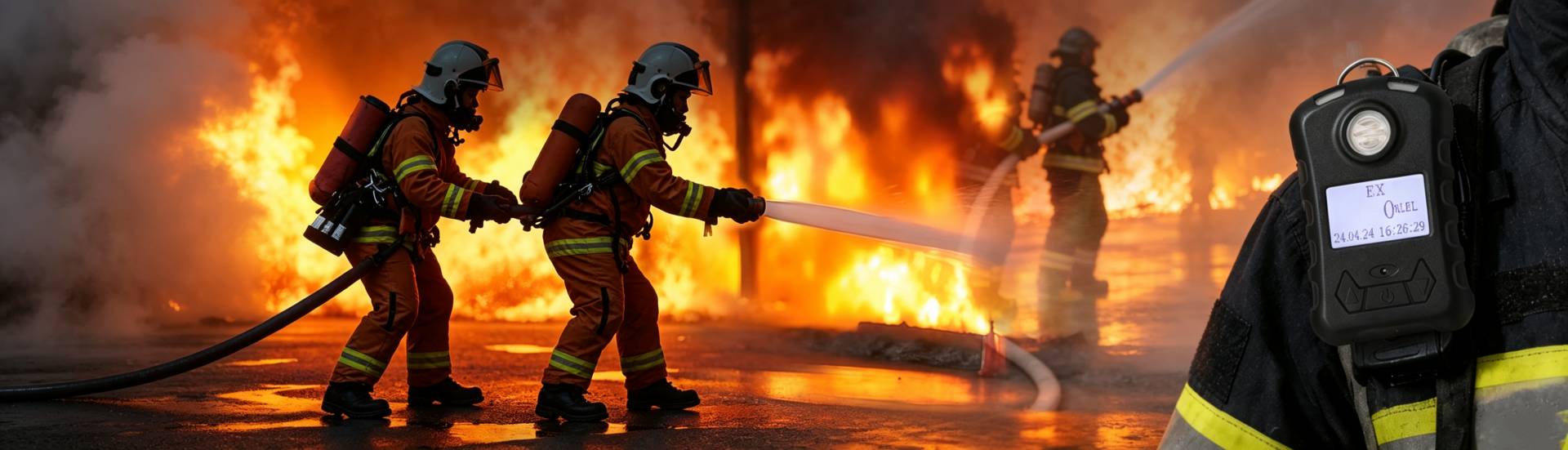
How Portable Multi-Gas Detectors Help Identify Industrial Gas Hazards
Understanding Gas Hazards in Industrial Environments
Gas hazards are a major concern in many industrial workplaces. Oil and gas facilities, chemical plants, manufacturing workshops, sewage treatment stations and underground maintenance areas may all involve potential exposure to combustible or toxic gases.
Some gases are difficult to detect without specialized instruments. A gas leak may occur around pipelines, valves, storage tanks or production equipment, while poor ventilation can allow certain gases to accumulate. Abnormal oxygen concentrations may also create dangerous working conditions.
For this reason, industrial companies need suitable gas monitoring equipment to help workers identify potential hazards before and during operations. A HIREP HRP-B1000-D portable multi-gas detector can support personal gas monitoring and routine inspection when configured for the target gases present in the working environment.

What Types of Gas Hazards Should Workers Monitor?
1. Combustible Gas Leakage
Combustible gases may leak from pipelines, gas supply systems, valves and industrial equipment. If gas accumulates and reaches a flammable concentration, an ignition source may cause a fire or explosion.
A detector equipped with a suitable combustible gas sensor can help workers identify hazardous gas concentrations during inspections and maintenance activities.
2. Toxic Gas Exposure
Certain industrial processes may produce or involve toxic gases such as hydrogen sulfide and carbon monoxide. Exposure can pose serious health risks, especially in poorly ventilated areas or enclosed spaces.
Selecting the correct sensor is essential because a detector can only measure the gases supported by its installed sensor configuration.
3. Abnormal Oxygen Concentration
Oxygen deficiency may occur when oxygen is displaced by other gases or consumed by certain processes. Excessive oxygen concentration can also increase fire hazards.
An oxygen sensor helps workers monitor atmospheric oxygen levels and assess whether additional safety measures are necessary.
How Does a Portable Multi-Gas Detector Help?
Simultaneous Monitoring of Selected Gases
A portable multi-gas detector can monitor several target gases using the corresponding sensors. The HIREP HRP-B1000-D supports configurations for one to four gases, allowing users to select a suitable combination for their application.
This approach is useful when workers need to check multiple atmospheric hazards during the same inspection. Before purchasing, users should confirm the required gases and sensor specifications.
Real-Time Concentration Display
The LCD screen allows workers to view gas concentration readings during routine inspection, equipment maintenance and on-site troubleshooting.
Real-time readings provide useful information for identifying changes in the monitored atmosphere. Workers should interpret the measurements according to the relevant gas limits, site procedures and instrument specifications.
Multiple Alarm Methods
When the measured concentration reaches a configured alarm threshold, the detector can provide audible, visual and vibration alerts.
These alarm methods help notify workers of potential danger. Alarm thresholds should be configured according to the target gas, applicable standards and workplace risk assessment.
Portable Design for Mobile Inspection
Unlike fixed gas detection systems installed at designated locations, portable detectors can accompany workers as they move between inspection points.
This flexibility is useful for checking equipment areas, maintenance locations, pipelines and other places where workers need additional personal gas monitoring. Portable detectors should complement, rather than replace, fixed monitoring systems where continuous area monitoring is required.
Common Applications of Portable Multi-Gas Detectors
Oil and Gas Facilities
Workers can use portable detectors during pipeline inspections, valve maintenance and equipment servicing to monitor selected combustible and toxic gases.
Chemical Plants
Chemical manufacturing may involve different gas hazards depending on the production process. A detector with the appropriate sensor configuration can support routine inspections and maintenance activities.
Sewage Treatment Facilities
Hydrogen sulfide and oxygen-related hazards may occur in certain wastewater systems. Gas testing is particularly important before entering potentially hazardous enclosed areas.
Industrial Maintenance and Repair
During equipment repair, pipeline servicing or leakage investigations, portable gas detectors can help workers assess atmospheric conditions and respond to abnormal readings according to established procedures.
How to Choose the Right Portable Multi-Gas Detector
Before selecting a detector, consider the following factors:
-
Target gases: Identify the combustible, toxic or oxygen-related hazards that need to be monitored.
-
Sensor configuration: Confirm that the device supports the required gases and sensor types.
-
Measurement performance: Review the measurement range, resolution and accuracy specified for each target gas.
-
Alarm functions: Check the available audible, visual and vibration alarms and the alarm threshold settings.
-
Environmental conditions: Consider temperature, moisture, dust and other site conditions that may affect performance.
-
Safety certification: Verify that the detector’s certification is appropriate for the intended work environment, especially in potentially explosive atmospheres.
-
Calibration and maintenance: Follow the manufacturer’s requirements for functional testing, calibration and sensor maintenance.
A detector should always be selected according to the actual hazards of the workplace rather than simply the number of gases it can measure.
Safe Use and Routine Maintenance
Before using a portable multi-gas detector, workers should inspect the device, check the battery level and verify that the sensors and alarm functions are operating correctly. Required bump tests and calibration should be performed according to the manufacturer’s instructions and workplace procedures.
During operations, workers should respond to alarms in accordance with the site’s safety plan. In confined spaces, atmospheric testing, ventilation, entry permits and emergency arrangements may also be necessary.
Regular maintenance helps keep the detector ready for use, but no gas detection instrument can eliminate every workplace risk. Proper training and established safety procedures remain essential.
Conclusion
Portable multi-gas detectors are useful tools for identifying potential atmospheric hazards during industrial inspections, maintenance and other mobile operations. By monitoring selected gases and providing concentration readings and alarm notifications, these devices help workers make better-informed safety decisions.
The HIREP HRP-B1000-D portable multi-gas detector offers a portable solution for industrial gas monitoring when configured for the required target gases. Confirm the sensor combination, technical specifications and applicable safety certifications before selecting a model for a specific application.


 WhatsApp: 8619339980364
 E-mail: contact@hirepsafety.com
