
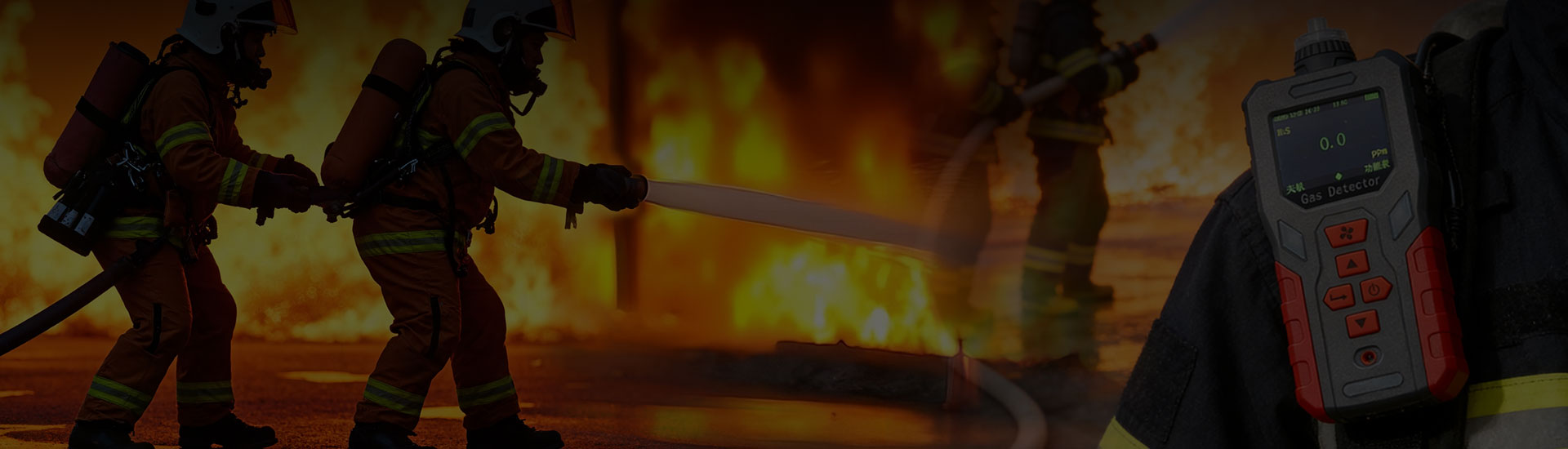
what do gas detectors detect?
The gas detector can identify many kinds of gases, and its detection ability depends entirely on the types of sensors installed inside the equipment. Modern gas detection technology mainly covers four categories of risk substances: flammable and explosive gases, toxic and harmful gases, abnormal oxygen concentration and volatile organic compounds.
Combustible and explosive gas is the most important thing in industrial safety monitoring. These gases include methane (the main component of natural gas), propane and butane (liquefied petroleum gas), hydrogen, acetylene and hydrocarbon vapors emitted by various gasoline, alcohol or paint thinners. When these gases accumulate in the air and reach the lower limit of explosion, they will cause violent combustion or explosion when they meet Mars. The detection equipment usually displays the concentration in the unit of “percentage of lower explosion limit” (%LEL), aiming at giving an early warning before the fire occurs and preventing catastrophic accidents.
The monitoring of toxic and harmful gases is directly related to the life and health of workers. Many highly toxic gases can be fatal or cause permanent damage at very low concentrations. The most common carbon monoxide comes from incomplete combustion, which is colorless and tasteless but easily leads to poisoning; Hydrogen sulfide is common in sewage treatment and oil exploitation, and has the smell of rotten eggs. At high concentration, it can instantly cause coma or even death. In addition, ammonia, chlorine, sulfur dioxide, nitrogen oxides, hydrogen cyanide and phosphine are also toxic gases that must be strictly guarded against in specific industries. This kind of detection usually uses “parts per million” (ppm) as the unit of measurement, which requires extremely high sensitivity.
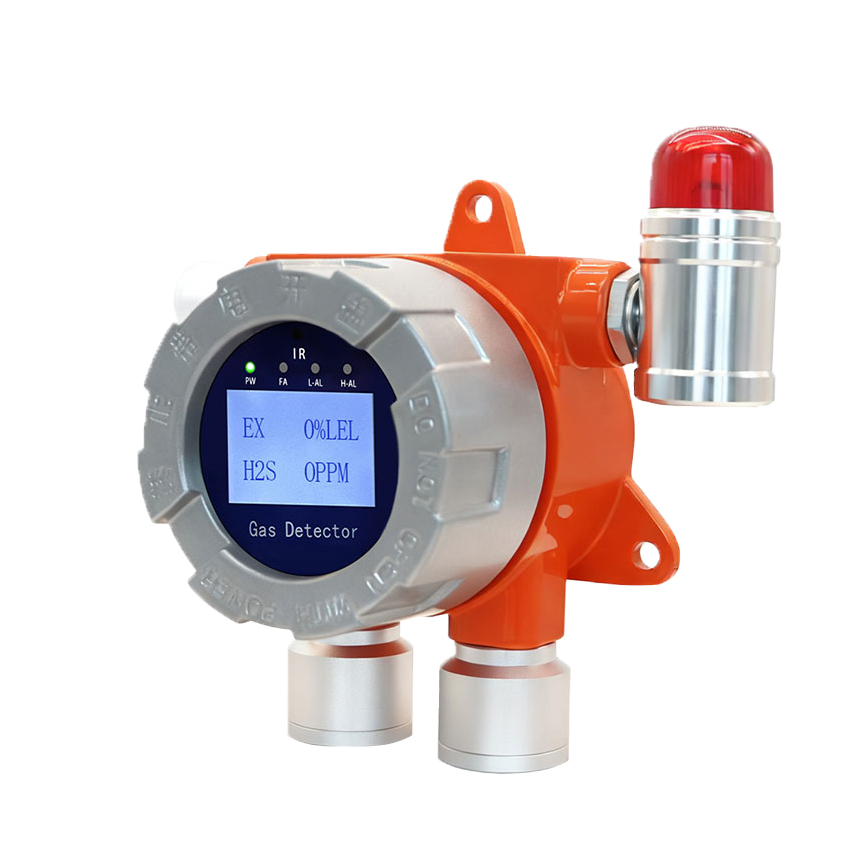
The monitoring of oxygen concentration is often neglected, but it is equally important. In confined spaces such as storage tanks, tunnels or underground wells, the oxygen content may be lower than the safety standard (usually 19.5%) due to the replacement of other gases or biological consumption, resulting in suffocation; On the other hand, if the oxygen concentration is too high (more than 23.5%), it will create an oxygen-rich environment, making ordinary combustible materials such as clothing and oil extremely flammable and explosive. Therefore, the detector will monitor the oxygen volume percentage in real time to ensure that the environment is at a normal level of about 20.9%.
Volatile organic compounds (VOCs) are a general term for a large class of organic chemicals, including hundreds of components such as benzene, toluene, ketones and esters. Not only are most of them toxic or carcinogenic, but many of them are flammable and explosive. Photoionization (PID) technology is usually used to detect such substances, which can reach the ultra-high sensitivity of one billion parts per billion (ppb), and is widely used in chemical leakage investigation, environmental monitoring and indoor air quality assessment.
In addition to the above classification, there are special detection equipment for special industries, such as freon detector for refrigeration maintenance, sulfur hexafluoride detector for power industry, and formaldehyde detector for indoor environmental monitoring. In practical application, in order to cope with the complex risk environment, the most popular configuration is the “four-in-one” detector, which can simultaneously monitor the four most deadly risk factors, namely combustible gas, oxygen, carbon monoxide and hydrogen sulfide, and provide comprehensive safety guarantee for front-line operators. Users need to select equipment equipped with corresponding sensor combinations according to specific operation scenarios and potential risk sources.


 WhatsApp: 8619339980364
 E-mail: contact@hirepsafety.com