
What are the precautions for using a portable multi-gas detector?
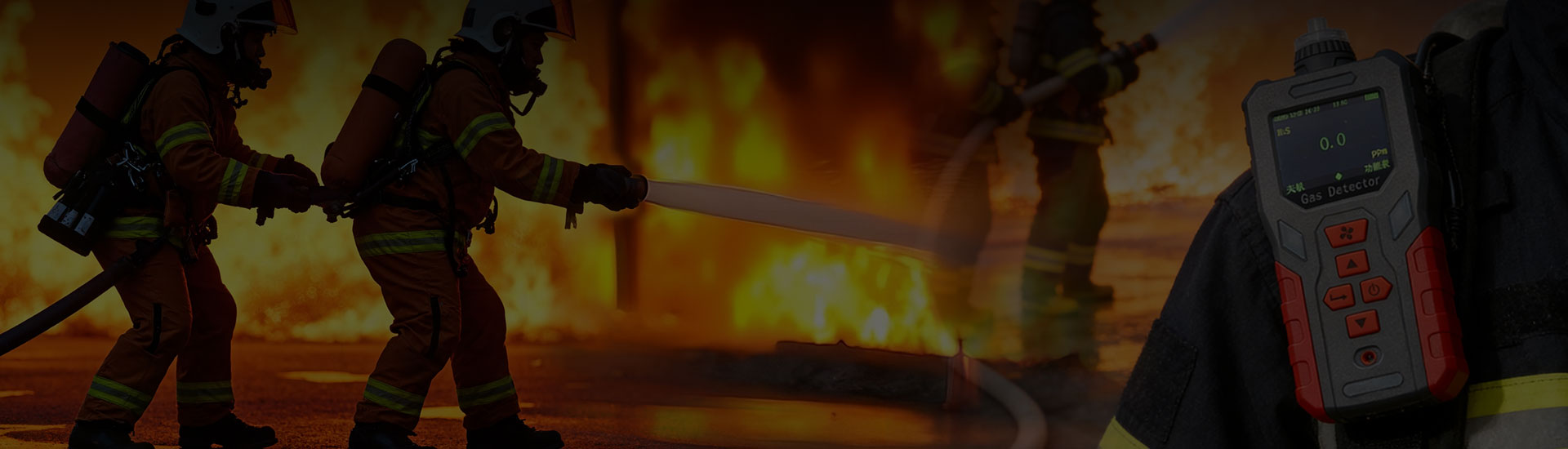
Don’t just think of that small box as an “alarm”. In the eyes of the experienced master, it is life hanging on the chest. Many people just get the instrument, and their first reaction is to see whether the screen is bright or not, but they ignore the most deadly “breathing” problem. That small air inlet is the nose of the instrument. If you slip it into the inner pocket of a thick cotton-padded jacket or get pinned down by a helmet strap, it can only “pretend to sleep” there, even if there is toxic gas outside. Remember, your portable gas detector must be clipped to the collar as close to your nose as possible, because it measures the breath you are about to inhale, not the air on your heel.
One more thing, don’t be too superstitious about that number going to zero. Many newcomers feel at ease when they turn on the phone and see “0.00”, and feel that everything is fine. But think about it, if the sensor has been poisoned for a long time, it still shows “0.00”, which is the most frightening “false safety”. Therefore, the “bump test” must not be omitted before each trip into the well and into the tank. Take a look at the standard gas bottle and see if it will scream and the value will soar. It’s like checking that the brakes are not working before going out. If you are in trouble, you are gambling. Especially in winter, when the battery loses power at low temperature, it is ridiculously fast. It seems that there are still two grids of power, and it may be turned off in five minutes. Working in the cold wind, holding a spare battery in your pocket or keeping a warm baby attached to the portable gas detector, this is not melodramatic, but experience.
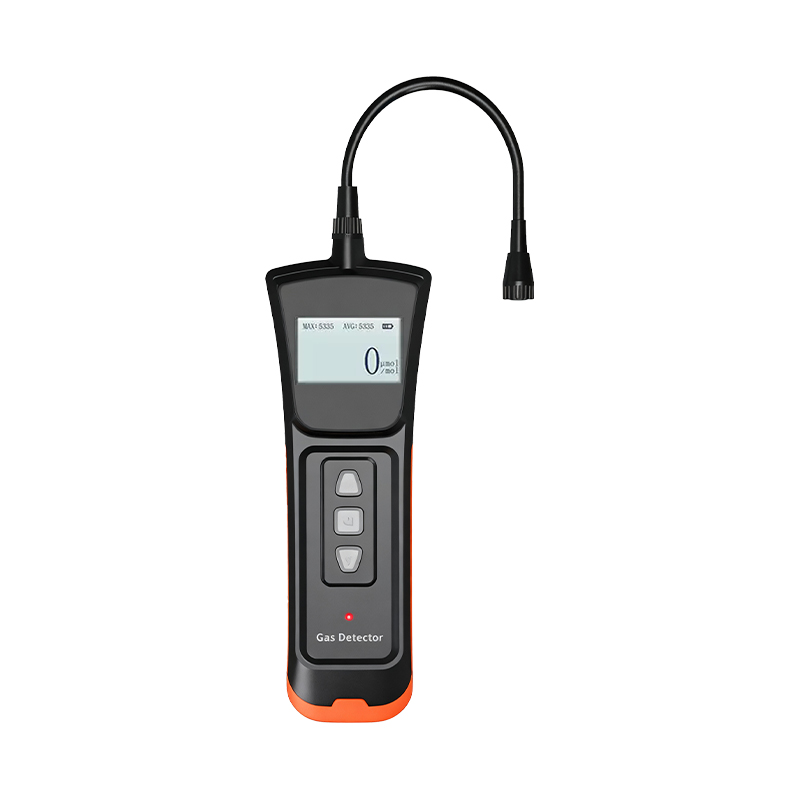
And the “wolf coming” mentality is the most dangerous. Sometimes the scene smells a little solvent, the instrument misreports, some people think it’s noisy, so they mute it conveniently, and even scold “the broken thing is broken again” in their hearts, and turn around and go on working. It’s the worst time. I’d rather have nine false positives out of ten than miss a true alarm. Once the alarm goes off, no matter what you are doing, stop what you are doing, hold your breath and run upwind. Don’t think about “I’ll just take one more look at the reading”, the poison gas won’t give you time to think. Some gases, such as hydrogen sulfide, are paralyzed at a high concentration. You can’t smell the bad smell, which doesn’t mean it’s safe. At this time, only the scream of the instrument is your only ear.
Finally, this thing has a life, not made of iron. Sensors are like dry batteries, which are used less every day. Even if you haven’t turned them on once, they will be useless for two years. Don’t delay changing the sensor in order to save that calibration money, or fool the inspection with an expired calibration certificate. When it comes to the critical moment, if it responds half a beat slowly, or doesn’t respond at all, no one can afford it. Treat him as a grumpy old buddy, feed him standard gas regularly, change his clean filter element, and don’t let oily mud paste his mouth. If you pay attention to it, it can pull you back before the death gate. This is not only a tool, but also a guarantee for you to push open the door when you get home from work and see your wife and children cooking hot food.


 WhatsApp: 8619339980364
 E-mail: contact@hirepsafety.com