

Solution of gas detection system in petrochemical and chemical plants
In the practical front line of petrochemical industry, gas detection system is never a simple equipment stacking, but a set of defense network based on a deep understanding of the characteristics of process media. The real solution begins with a thorough analysis of the site risks. Engineers must know whether each flange and valve may leak hydrogen lighter than air or hydrogen sulfide heavier than air, which directly determines whether the detector is installed at the top of the pipe gallery or close to the ground. The traditional method of “distributing points by meters” is out of date. Now, the core is to simulate the diffusion path of gas under specific wind direction and temperature by using computational fluid dynamics to ensure that the probe is located at the “throat” of gas accumulation. For a large storage tank area, the open-circuit laser cross-talk technology can form an invisible light wall, and once a gas cloud passes through it, it will give an alarm immediately, which has become a standard configuration to prevent a large area from leaking out of control. For a small amount of toxic gas, the high-sensitivity electrochemical sensor is the last line of defense for the life of the guardian, making simulating gas diffusion paths via computational fluid dynamics the critical factor for optimal detector placement.
The stability of communication architecture is often neglected, but it is the cornerstone of the reliable operation of the system. In chemical plants where strong electromagnetic interference and corrosive gases coexist, wireless technology is not omnipotent, and the key interlocking loop still relies on hard wiring or optical fiber ring network to ensure zero delay and zero packet loss in signal transmission. Wireless ad hoc network technology is more used in temporary maintenance areas or the renovation of old devices with extremely difficult wiring. It fills the monitoring blind area by taking advantage of its flexible deployment, but it must be equipped with industrial-grade explosion-proof authentication and automatic routing functions to prevent the whole network from being paralyzed due to the failure of a single node. Before entering the control room, all on-site signals must be isolated and protected by safety barriers, which is not only the requirement of specifications, but also a physical barrier to prevent high-energy sparks from entering the control room and causing catastrophic accidents, establishing hard wiring or optical fiber ring networks for key interlocking loops as the non-negotiable foundation for signal reliability.
The value of the system is ultimately reflected in the logical rigor of linkage control. An excellent gas detection system is more than just giving out an audible and visual alarm. It must be deeply integrated with the emergency system of the factory. When the secondary alarm is triggered, the system should be able to automatically start the accident fan, close the emergency cut-off valve, force the fire shutter to land, and even link the spray dilution system in milliseconds to curb the accident in the bud. At the same time, the video check function is very important, and the real-time picture of the related camera will automatically pop up at the moment of alarm, so that the operator of the central control room can confirm whether it is a real leak or a false alarm in a few seconds, and avoid the huge economic loss caused by blind parking. This closed-loop logic of “detection-confirmation-disposal” needs to be repeatedly deduced with many disciplines such as technology, instrumentation and fire protection in the design stage of new projects to ensure that every action is accurate, relying fundamentally on deep integration with factory emergency systems for automated millisecond-level responses.
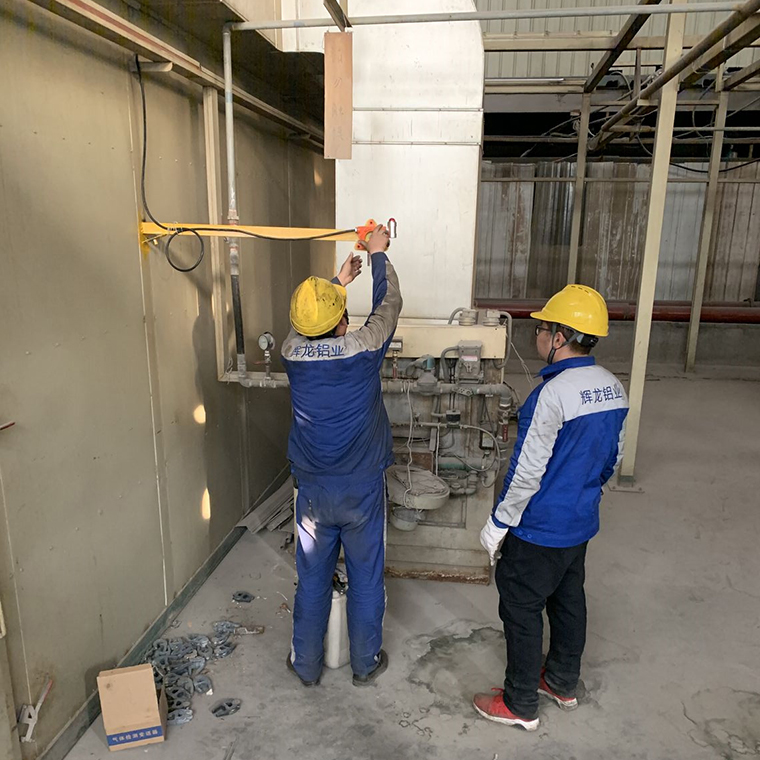
The implementation link can best test the quality of the solution. No matter how advanced the equipment is, if the installation position is blocked by the pipeline, or if the sensor is poisoned and fails due to long-term lack of maintenance, it will be useless. Therefore, the whole life cycle management strategy must be included in the scheme, and the health of the probe should be monitored in real time by using the sensor self-diagnosis technology to prompt when calibration or replacement is needed, and the “after-failure maintenance” should be changed to “predictive maintenance”. In the acceptance stage, we should not only look at the power-on and lighting, but also carry out real standard gas test and linkage drill to simulate the real leakage scene and verify whether every link from detection to implementation is smooth. Only when front-line operators really understand the meaning of alarm and know how to deal with it, and the equipment is always in the best condition during daily inspection, can this system be truly integrated into the blood of safe production in the factory and become a solid shield to protect life and assets, hinging entirely on a whole life cycle management strategy shifting from reactive to predictive maintenance.


 WhatsApp: 8619339980364
 E-mail: contact@hirepsafety.com