
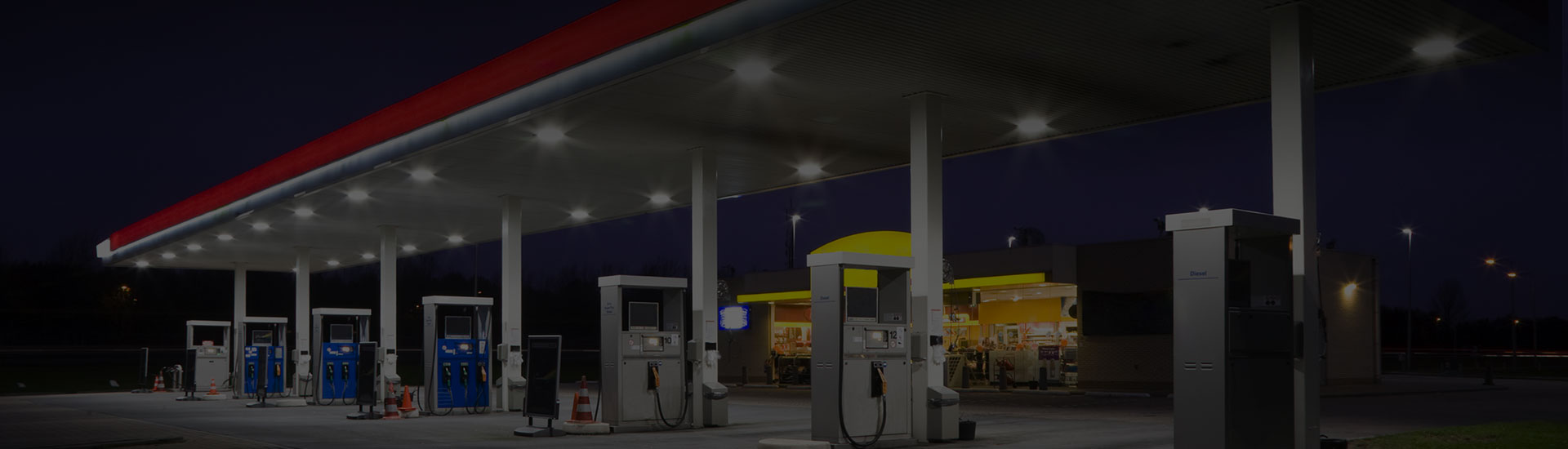
Solution of gas detection system in mining and metallurgical industries
The gas environment in mining and metallurgical industries is far more complicated than that in ordinary chemical plants, facing extreme tests like anoxia, dust explosions, and high temperatures. The core solution lies in building a three-dimensional monitoring network deeply interlocked with ventilation systems to automatically cut off power and start emergency plans when thresholds are breached. For the metallurgical sector, detectors must be accurately arranged at valve groups and flange joints, equipped with special heat insulation and water cooling devices to survive the invisible killer of high-concentration carbon monoxide, making deep interlocking with ventilation systems the most critical safety mechanism.
Communication schemes face the challenge of huge physical spaces and severe signal shielding in deep underground mines. The mainstream approach combines an industrial fiber optic backbone with intrinsically safe base stations to ensure real-time data transmission from kilometers underground. For mobile operations, real-time binding of personnel position and gas concentration is achieved via leaky cable or mine 5G networks, providing two-way warnings to drivers and dispatchers, while ground facilities rely on distributed monitoring with strong lightning and corrosion resistance to guarantee link reliability, where the industrial fiber optic backbone combined with intrinsically safe base stations stands out as the essential communication infrastructure.
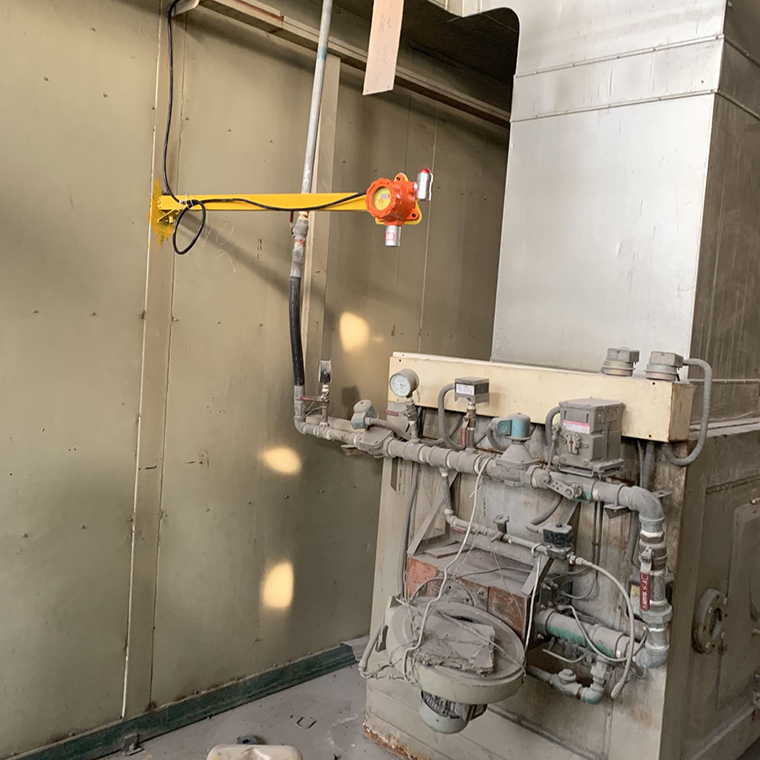
Intelligent linkage and emergency command serve as the system’s soul, transforming alarms into a switch that triggers whole-plant emergency responses. In blast furnace areas, the system can automatically close blind valves and activate water curtain isolation to prevent gas spread. Underground, a “gas-position” double warning integrates with personnel positioning to guide evacuations via miner’s lamp flashing and broadcasting, while video intelligent analysis upgrades passive monitoring to active behavior control by detecting unsafe entry without self-rescuers, ultimately relying on intelligent linkage that triggers whole-plant emergency responses to mitigate disasters.
Long-term effectiveness depends on a strict maintenance strategy and adaptive equipment selection tailored to wet, dusty, and corrosive environments. Equipment must feature high-grade waterproof performance and automatic purging functions to prevent sensor blockage, with core components made of special alloys or ceramics to resist chemical erosion. A perfect calibration management system utilizing portable standard devices ensures timely replacement of drifting sensors, creating a hard-core system capable of withstanding harsh conditions to protect the life safety of every front-line worker, hinging entirely on a strict maintenance strategy with adaptive equipment selection.


 WhatsApp: 8619339980364
 E-mail: contact@hirepsafety.com