
what does lel stand for in gas detection
Reading LEL: “Life-saving Scale” in Gas Detection
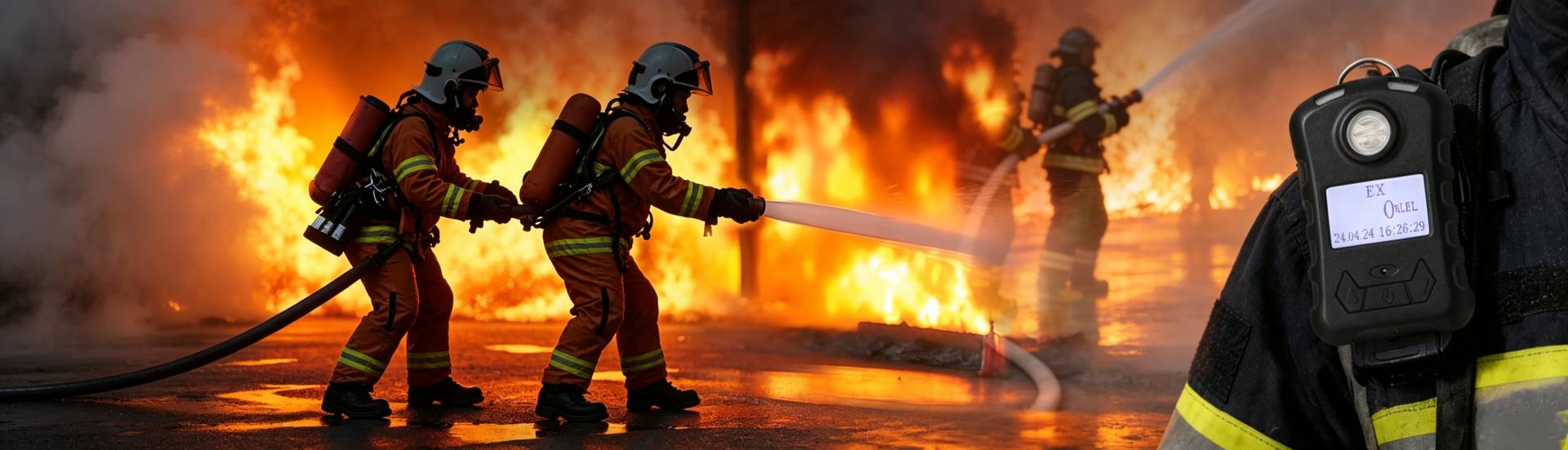
In the operation room of chemical plant, deep in the roadway of coal mine and even in the corner of family kitchen, the value of “%LEL” jumping on the screen of gas detector is never a cold technical parameter, but a “safety red line” hanging overhead. Many people will wonder when they see this unit for the first time: What is it testing? Why not use the common concentration unit, but use this seemingly complicated “LEL”? In fact, if you understand the logic behind these two letters, you will master the core password to prevent explosion accidents.
The full name of LEL is “Lower Explosive Limit”, which is called “lower explosive limit” in Chinese. Simply put, it refers to the lowest concentration of combustible gas (such as natural gas, liquefied gas) or combustible vapor (such as gas volatilized from gasoline) in the air, which can explode when it meets an open flame or electric spark. Below this concentration, there are too few combustible components in the mixed gas, just like sprinkling a few grains of rice into the fire, which can’t be lit at all; Above this concentration until the “upper explosion limit”, the oxygen is not enough, and it will not explode. The “%LEL” we see on the detector every day actually defines the “lower explosion limit” as 100%, and uses the percentage to visually show how far the current concentration is from the critical explosion point.
Take natural gas commonly used at home as an example. The lower explosion limit of methane, its main component, is 5%VOL (volume ratio), that is, when methane accounts for 5% in the air, it reaches the explosion critical point of 100%LEL. If the detector shows “20%LEL”, it means that the current methane concentration is only 1%VOL(5%×20%), although it has not reached the dangerous line, it is necessary to be alert to leakage; Once it reaches “50%LEL”, it is equivalent to a concentration of 2.5%VOL It is necessary to open the window and close the valve immediately, otherwise a small electric spark may cause disaster.
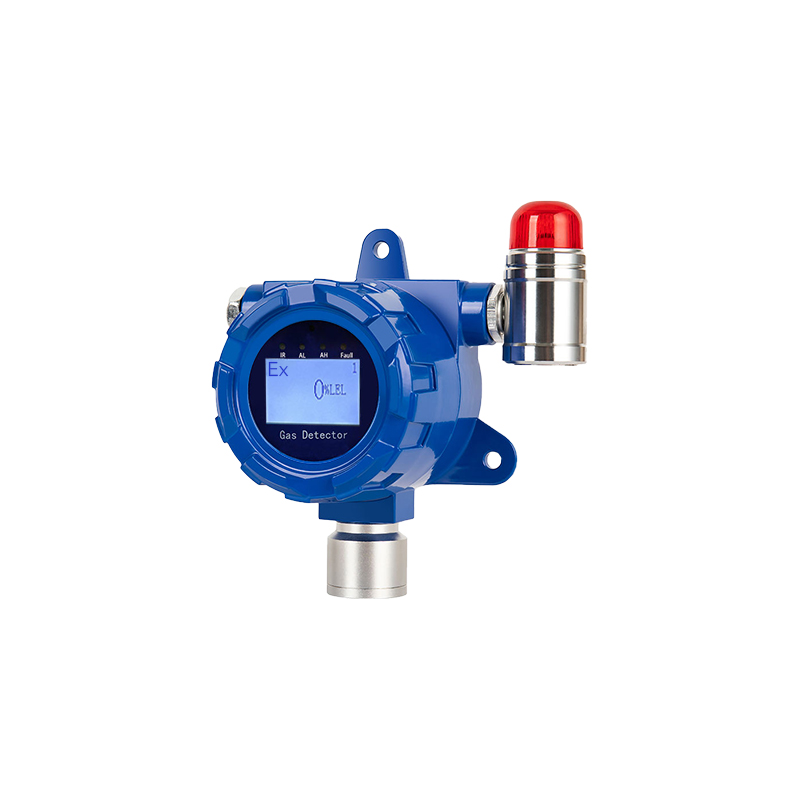
Why not use absolute concentration units such as ppm or mg/m instead of %LEL? The answer is simple: the core of safety early warning is “hedging”, not “measurement”. At the industrial site, workers don’t need to know exactly how many milligrams of methane leaked, just need to know “how far is it from the explosion now”. Just like looking at the fuel gauge while driving, you don’t need to know how many liters of gasoline are left in the fuel tank, just know how far you can run. Therefore, gas alarms usually have two levels of alarms: when 25%LEL is low, it will remind you that “there may be leakage, check it quickly”; Overreporting at 50%LEL is equivalent to “evacuate immediately, or something will happen”.
This “relative risk” thinking makes LEL the exclusive unit for combustible gas detection. It is only aimed at flammable and explosive gases or vapors, such as gas (methane) in coal mines, gasoline vapor in gas stations and ethanol vapor in pharmaceutical factories, but it cannot measure toxic gases such as carbon monoxide, which requires ppm units to monitor toxicity risks. From the storage tank area of petrochemical industry to the maintenance site of underground pipe network, from the gas pipeline of canteen to the mining face of coal mine, LEL detector is like a sentry standing guard for 24 hours, and with the scale of “0~100%LEL”, the abstract explosion risk is turned into a visible and audible alarm.
In the final analysis, LEL is not a complicated technical term, but uses scientific logic to quantify “danger” into a perceptible signal. It reminds us that security is never a vague feeling, but an accurate calculation. Next time you see the %LEL value on the detector, you might as well pay more attention to it-behind that beating number is the safety wisdom gained from countless accidents, and it is the last line of defense to protect life.
More lel knowledge to https://www.hirepsafety.com/blog/what-does-lel-mean-on-a-gas-monitor.html


 WhatsApp: 8619339980364
 E-mail: contact@hirepsafety.com